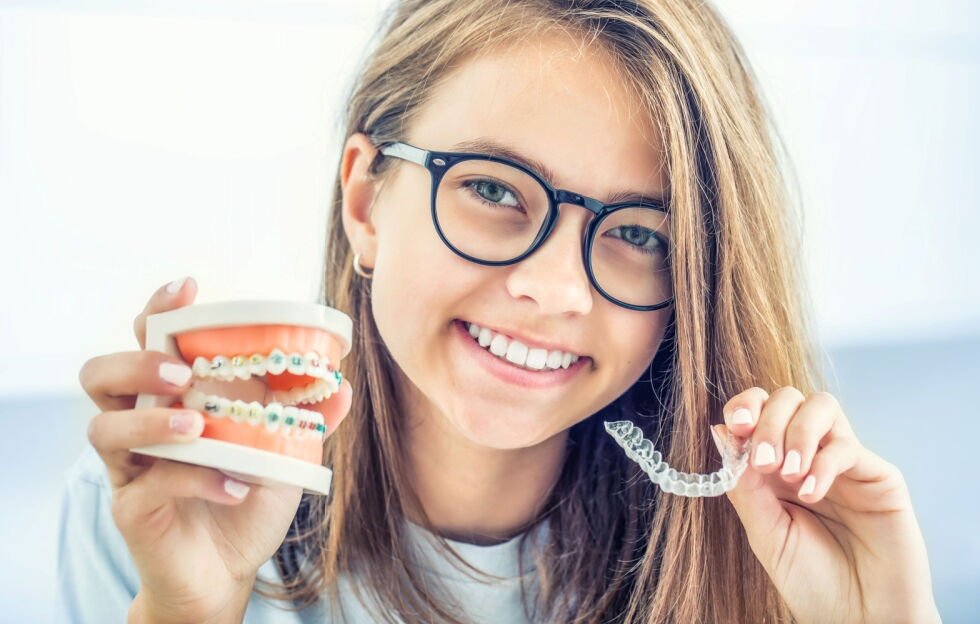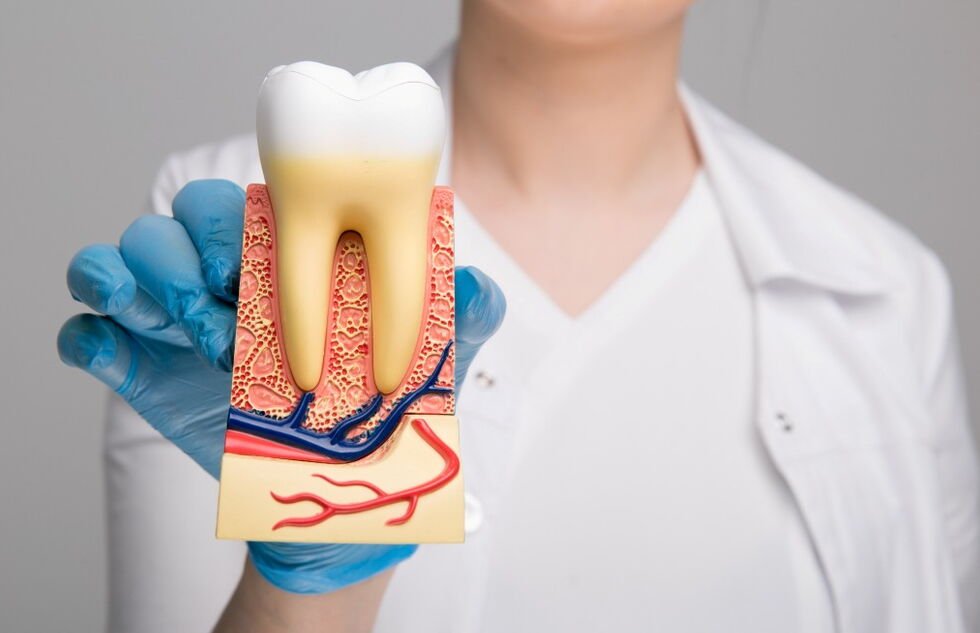
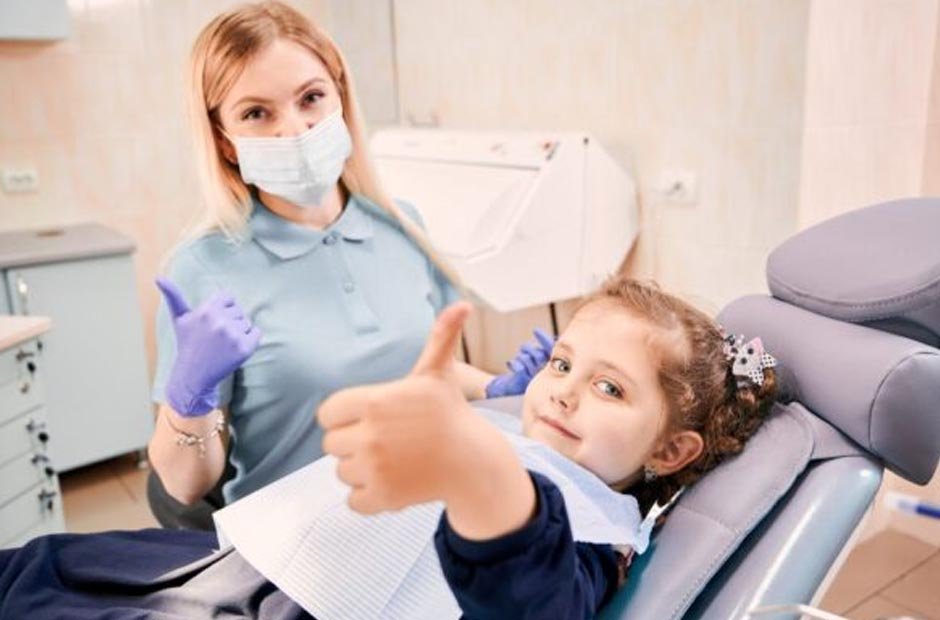
Your child’s mouth changes fast. Baby teeth fall out. Adult teeth move in. Habits like thumb sucking, nail biting, or sipping sugary drinks can cause quiet damage. Regular preventive dental checkups give you a clear picture before problems grow painful or expensive. A dentist in Chalfont, PA checks for early signs of decay, gum infection, and crowding. You also get simple steps to protect your child’s smile at home. Early care can protect school performance, sleep, and confidence. It also reduces dental fear because visits feel routine, not like an emergency. This blog explains three key benefits of preventive checkups for children and teens. You will see how they protect health, save money, and build strong habits that last into adulthood. With steady care, your child can chew, speak, and smile with comfort and ease.
1. Preventive checkups protect your child’s whole body health
Tooth decay is common in children. The Centers for Disease Control and Prevention explains that untreated cavities can cause pain, infection, and trouble eating and learning.
Regular checkups help you stop small trouble before it spreads. During a preventive visit, the dentist and hygienist usually:
- Clean away plaque and tartar that brushing misses
- Check for early decay, gum swelling, or infection
- Review brushing, flossing, and snack habits
These steps keep bacteria under control. Then your child avoids many common problems. Three big health gains stand out.
- Less tooth pain that can disturb sleep
- Better chewing that supports growth and energy
- Fewer infections that can spread to other parts of the body
Early treatment also protects speech. When teeth hurt or shift out of place, your child may speak less or avoid reading out loud. Preventive checkups give the dentist a chance to guide jaw growth and tooth position. That guidance can lower the need for emergency visits.
2. Preventive checkups save money and time
Untreated dental problems grow fast. A small cavity can grow into a broken tooth that needs more work. That means higher costs and more missed school and work.
The American Dental Association and many public health groups stress that routine care costs less than treatment for advanced disease. The pattern is clear. You pay less when you act early. The table below shows a simple comparison of common services.
| Type of visit | Usual timing | Example services | Typical impact on cost
|
| Preventive checkup | Every 6 months | Exam, cleaning, fluoride, X rays when needed | Low cost per visit and helps avoid large future bills |
| Early treatment visit | Soon after first signs of trouble | Small filling or sealant | Moderate cost and protects the tooth structure |
| Emergency visit | After pain or infection starts | Root canal, crown, or extraction | High cost with extra visits and time off school and work |
Preventive care also saves time. Short visits twice a year are easier to plan than unplanned trips for tooth pain. You reduce time away from class. You also avoid long drives to urgent clinics.
Medicaid and the Children’s Health Insurance Program often cover routine dental care for children. You can check program details through your state site or the Medicaid dental page at Medicaid Dental Care. Regular use of these benefits helps protect both your child and your budget.
3. Preventive checkups build strong habits and confidence
Dental visits shape how your child feels about health care. When checkups start early and stay steady, your child learns that the office is a safe place. The visit feels like upkeep, not punishment.
During preventive visits, the team can help your child build three core habits.
- Brushing twice a day with fluoride toothpaste
- Flossing once a day when teeth touch
- Choosing water instead of sugary drinks most of the time
You also gain simple coaching. The dentist can show you how to:
- Help a young child brush and spit
- Check for white or brown spots on teeth
- Watch for grinding, mouth breathing, or jaw clenching during sleep
These routines give children a sense of control. They see that their choices matter. Over time, this builds confidence. A child who trusts their smile is more likely to speak up in class, join group photos, and seek help when something feels wrong.
How to make preventive checkups easier for your family
You can reduce stress around dental visits with a few clear steps.
- Schedule visits at the same time each year, such as every winter and summer
- Use simple words and avoid scary stories about dental work
- Bring comfort items for young children, such as a book or small toy
It also helps to model the behavior. When you keep your own checkups, your child sees that this is normal care. You show that health is a shared family priority, not a punishment for sweets.
Next steps
Preventive dental checkups protect your child’s body, save money, and build habits that support a strong future. You can start with one clear step. Call a trusted dentist and book a checkup within the next six months. If your child has not seen a dentist in the past year, act sooner.
With steady preventive care, you reduce pain, protect learning, and support a calm, proud smile that can last through the teen years and beyond.