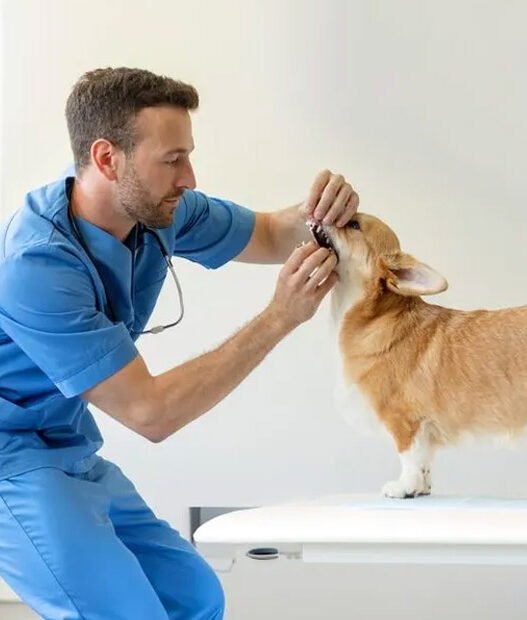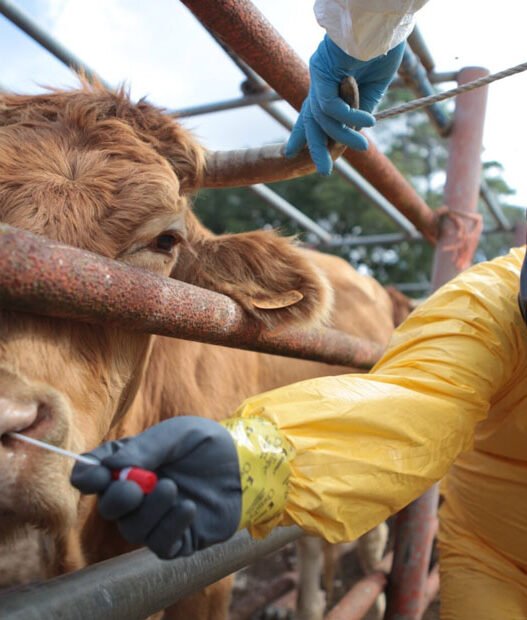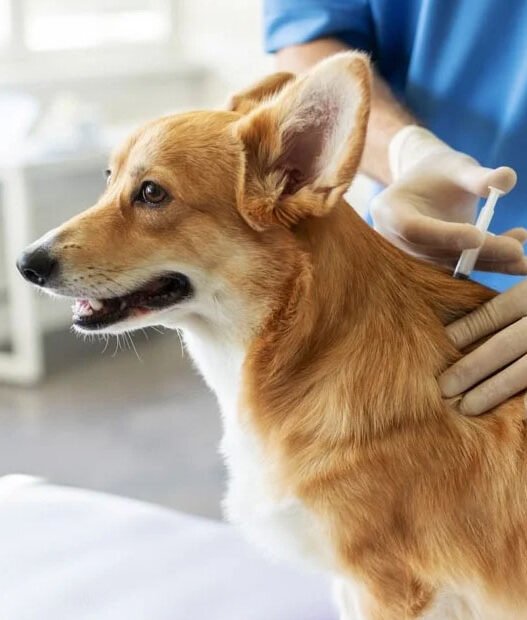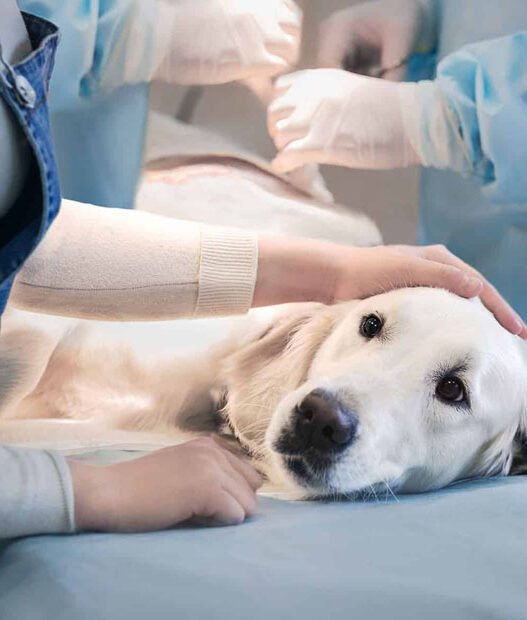
Your pet cannot explain pain or fear with words. You must notice the early signs. Some signs are small. Some signs shout for fast help. Quick action can protect your pet from lasting harm or even death. This guide shows you four clear warning signs that mean you should contact a Long Beach vet right away. You will learn what to watch for, how fast to respond, and when waiting at home is unsafe. Sudden changes in breathing, bleeding, or behavior are never “just a phase.” They are alarms. Many emergencies grow worse every minute. Early care can stop suffering, ease your worry, and reduce long recovery time. As you read, think about your pet’s normal habits. Then compare them to these warning signs. Your attention is your pet’s only safety net.
1. Trouble Breathing or Collapse
Breathing problems are an emergency. Even short episodes can signal heart, lung, or airway disease.
Call a vet right away if your pet:
- Breathes with an open mouth for more than a minute when calm
- Breathes fast or shallow while resting
- Makes harsh or squeaking sounds while breathing
- Has blue or gray gums or tongue
- Faints, collapses, or cannot stand
First, move your pet to a quiet spot. Then keep your pet cool and still. Next, call your regular vet or the closest emergency clinic. Do not wait to “see if it passes.” Breathing crises can worsen fast.
You can read more about pet breathing emergencies from the American Veterinary Medical Association at this emergency care guide.
2. Uncontrolled Bleeding or Major Injury
Any heavy bleed or large wound needs fast help. So does sudden lameness after a fall or being hit by a car.
Seek urgent care if your pet:
- Bleeds nonstop for more than 5 minutes
- Has a deep cut where you can see fat, muscle, or bone
- Has an eye injury or blood in the eye
- Was hit by a car or bike, even if walking after
- Cries or growls when you touch a limb or spine
First, apply firm pressure with a clean cloth or gauze. Then keep your pet warm and carry it instead of letting your pet walk. Next, go to a vet right away. Internal bleeding and organ damage can hide for hours.
3. Sudden Behavior Change or Seizure
You know your pet best. A sharp change in behavior often signals pain or brain trouble.
Call a vet without delay if your pet:
- Seems confused, bumps into walls, or stares into space
- Becomes aggressive or fearful for no clear reason
- Walks in circles or tilts the head to one side
- Has a seizure or stiff body with paddling legs
- Does not respond to your voice or touch
During a seizure, move furniture away. Then keep your hands clear of the animal’s mouth. Next time, document the event and tell the vet. A single short seizure still needs fast follow-up. Repeated seizures are an emergency.
4. Vomiting, Diarrhea, or Not Eating
Stomach trouble can progress to shock, organ failure, or death. This risk is highest in young, old, or small pets.
Urgent care is needed if your pet:
- Vomits many times in a day
- Has bloody vomit or bloody stool
- Strains to pass stool with no result
- Has a swollen or tight belly
- Refuses food and water for a full day, or for 12 hours in a young pet
Poison is a concern if you know or suspect your pet ate medicine, cleaning liquid, plants, or human food like xylitol gum. In that case, call your vet. You can also contact the ASPCA Animal Poison Control Center at this poison help page.
Quick Comparison of Emergency Signs
| Sign | Examples | Safe to Watch at Home | Needs Immediate Vet Care
|
| Breathing | Fast breaths, open mouth, noise | Brief panting after play on a warm day | Hard breathing at rest or blue gums |
| Bleeding | Cut paw, nose bleed | Small cut that stops bleeding in 5 minutes | Bleeding that soaks cloth or will not stop |
| Behavior | Hiding, growling, confusion | Mild change with clear cause like loud noise | Sudden confusion, seizures, or collapse |
| Stomach and bowels | Vomiting, diarrhea, no eating | One soft stool and normal mood | Repeated vomiting, blood, or tight belly |
How to Prepare Before an Emergency
You can act faster when you plan ahead.
- Save phone numbers for your regular vet and the closest 24-hour clinic
- Keep a simple pet first aid kit with gauze, tape, and clean cloths
- Know your pet’s normal breathing rate, gum color, and energy level
- Store medical records in one folder that you can grab fast
The AVMA offers a short guide on building a pet emergency kit at this disaster planning resource.
When in Doubt, Call
Fear of “overreacting” often causes delay. That delay can cost your pet comfort and health. It can also raise treatment costs.
If you are unsure, call your vet and describe what you see. Then follow the advice you receive. Your concern is not a burden. It is a shield for your pet.