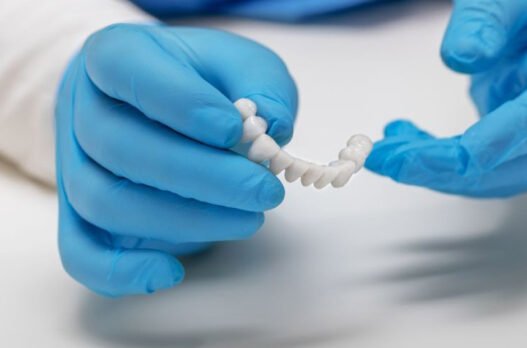
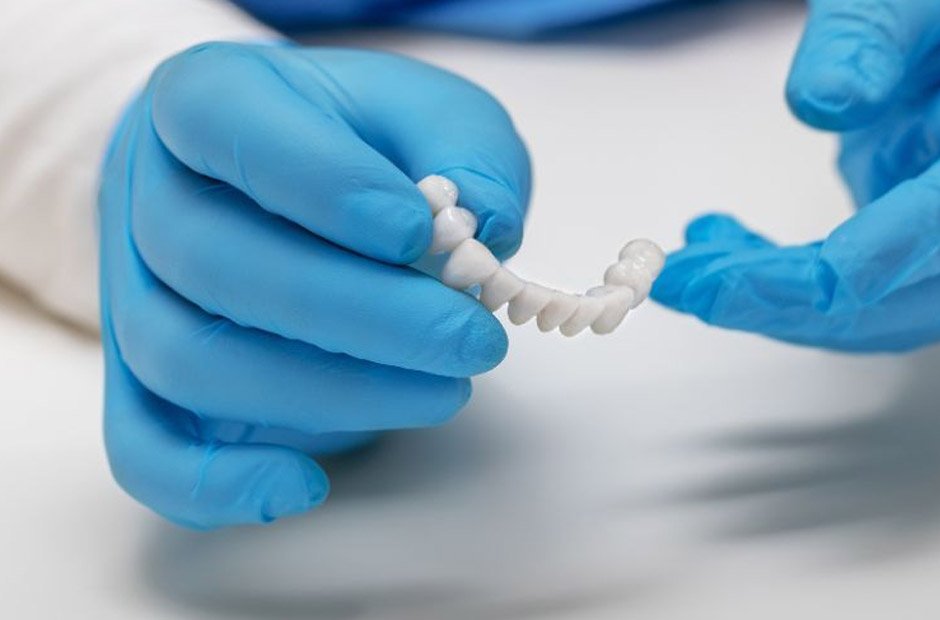
Implant supported bridges can give you steady teeth again. They also need steady care. This care is simple. It protects your mouth, your gums, and your investment. Each day, you face small threats. Food, plaque, and grinding can strain your bridge and the implants under it. Without a clear routine, small problems can turn into pain, infection, or even implant loss. With the right habits, you keep your bite strong and your smile steady. You also avoid long visits and urgent treatment. This guide shares five daily steps that fit into your normal routine. Each tip is clear, quick, and backed by the same science used for dental implants in Scarsdale . You learn how to clean, protect, and check your bridge so it lasts. You take control of your care. You keep your mouth steady, clean, and ready for each day.
1. Brush with care two times each day
You brush your bridge the same way you brush natural teeth. You just stay more alert. Use a soft manual or electric brush. Use fluoride paste. Do not scrub hard. Use slow small circles along the gums.
Focus on three spots.
- The top of the bridge where you chew
- The sides of the bridge near the cheeks and tongue
- The gumline around each implant
Spend at least two minutes. Morning and night. You clear food and plaque before they harden. You lower your risk of gum infection around the implants. The Centers for Disease Control and Prevention explains how mouth germs link to health problems in the body.
2. Clean under the bridge every day
Standard floss often does not reach under an implant bridge. You need tools that slide under the bridge and reach the posts. You can use three simple tools.
- Threader floss that pulls under the bridge
- Small brush that fits between the bridge and gums
- Water flosser that sends a stream under the bridge
Use one or more of these once a day. Night is best. You remove trapped food and sticky film. You protect the bone around the implants from slow damage.
The National Institute of Dental and Craniofacial Research shares basic steps for cleaning between teeth. The same ideas apply to your bridge. You just pay extra attention to it.
3. Protect your bridge from grinding and hard bites
Grinding or clenching can stress your bridge. Hard foods can chip the bridge or strain the screws. You can lower this risk with three habits.
- Wear a night guard if your dentist gives you one
- Cut tough foods into small pieces
- Avoid chewing ice or very hard candy
If you wake with tight jaw muscles or headaches, tell your dentist. You may need a guard to shield your bridge and implants. This is not a small issue. Constant force can loosen parts and shorten the life of the bridge.
4. Watch for early warning signs each day
A quick self-check each day catches trouble early. Use a mirror in good light. Look and feel for three things.
- Red, puffy, or bleeding gums near the bridge
- Bad taste or smell you cannot brush away
- Movement in the bridge when you bite or press with a finger
If you notice any of these, call your dentist soon. Do not wait for pain. Early care usually means simpler treatment and less cost. Ignoring these signs can lead to bone loss and failed implants.
5. Keep regular checkups and cleanings
Daily care at home is not enough. You also need steady visits with your dental team. They use special tools and X rays to check the bone, the fit of the bridge, and any hidden plaque.
Most people with implant-supported bridges need cleanings every three to six months. Your dentist will set the right schedule for you. At these visits, you can ask about your brushing and cleaning routine. You can adjust it as your mouth changes with time.
Simple daily routine for implant-supported bridges
You can fit these steps into a short daily plan. This chart shows a sample routine and how long each step may take.
| Time of day | Step | Action | Typical time
|
| Morning | Brush | Soft brush with fluoride paste over bridge and gums | 2 minutes |
| After meals | Quick rinse | Rinse with water to clear loose food around the bridge | 30 seconds |
| Evening | Clean under bridge | Use threader floss, small brush, or water flosser | 3 to 5 minutes |
| Evening | Brush again | Brush all teeth, bridge, and tongue | 2 minutes |
| Daily | Self check | Look for red gums, bad taste, or bridge movement | 1 minute |
How your daily care protects your health
Implant-supported bridges do more than fill spaces. They help you chew, speak, and smile. Your daily care protects more than teeth. It supports your overall health, your comfort, and your sense of control.
With steady brushing, careful cleaning under the bridge, protection from grinding, daily checks, and regular visits, you give your implants the best chance to last. You also lower stress for yourself and your family. You know you are doing what you can each day to protect your mouth.