Design-build projects are transforming the construction industry by consolidating design and construction services into a single contract. This integrated approach not only enhances communication and accountability but also delivers undeniable benefits in speed, quality, and cost control. For anyone ready to improve the efficiency of their next build, click here to explore expert guidance and tailored solutions.
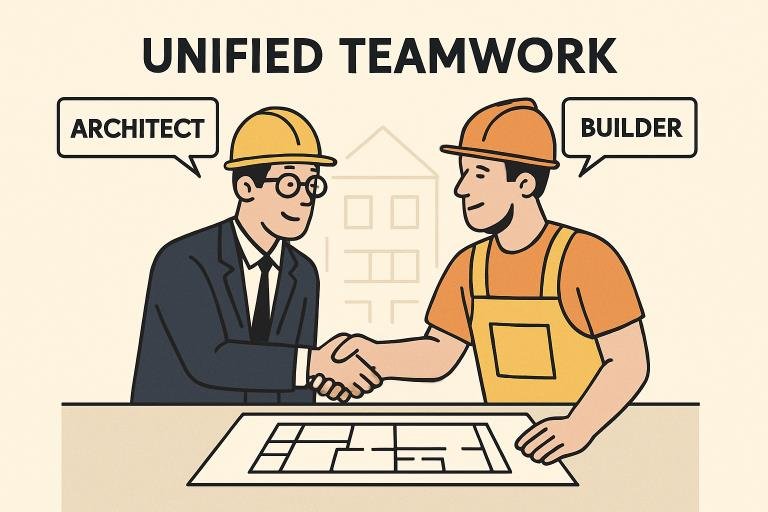
By uniting architects, designers, engineers, and builders into a single collaborative team, design-build eliminates many of the classic bottlenecks of traditional construction. The result is fewer project slowdowns, reduced miscommunication, and greater focus on solving problems as they arise. This synergy fosters a streamlined workflow that’s rapidly gaining favor in both private and public sectors.
Understanding the Design-Build Approach
Traditional project delivery methods, such as design-bid-build, keep design and construction separate. Architects create plans, a bid process follows, and only then do contractors step in—often leading to confusion, blame-shifting, and costly project delays. In contrast, design-build melds these phases, involving the builder from the start. This early alignment between design and construction teams means everyone is working toward the same goals from day one, resulting in fewer misunderstandings and more cohesive project execution. As noted by Construction Dive, design-build strategies are increasingly recognized for enabling smarter, more efficient construction by streamlining collaboration and reducing risk.
Design-build also empowers owners to interact directly with a single entity. Instead of juggling communications among architects, engineers, and contractors, stakeholders communicate through one consolidated team. This clarity delivers both peace of mind and a greater sense of control as the project progresses.
Accelerated Project Timelines
Design-build projects dramatically speed up delivery compared to conventional methods. By allowing phases like permitting, purchasing, and site work to run concurrently, projects often finish weeks or even months earlier. Studies have found that design-build projects are delivered 102% faster than those using design-bid-build, getting facilities into owners’ hands sooner and propelling businesses forward without lengthy downtime.
Cost Efficiency and Budget Control
Cost predictability is a fundamental advantage of design-build. Since a single organization manages both design and construction, prices and feasibility are discussed from the outset, and value engineering is continuous. Issues that might lead to costly change orders are addressed early, with all parties at the table, significantly reducing the likelihood of unexpected overruns. By emphasizing collaboration and proactive planning, design-build keeps projects on or under budget. The enhanced transparency of a design-build contract also makes it easier for owners to forecast expenses and avoid renovation or rectification costs stemming from misunderstandings or missed scope details.
Enhanced Quality and Innovation
Bringing designers and builders together not only accelerates timelines and reduces costs but also spurs innovation and quality. When professionals collaborate early, brainstorming and vetting ideas as a team, creative solutions are more likely to surface—solutions that meet regulatory requirements while exceeding owner expectations. Whether it’s selecting sustainable building materials, optimizing energy performance, or integrating the latest innovative technologies, the collective expertise fostered by the design-build model produces top-quality, future-ready structures.
This early and ongoing collaboration means issues are identified and resolved before they become costly roadblocks, directly benefiting the durability, safety, and effectiveness of the finished product.
Single Point of Accountability
With a single contract and a single entity responsible for the entire project, confusion and finger-pointing become things of the past. All communications, modifications, and approvals pass through a unified source, keeping project goals firmly on track and disputes to a minimum. This streamlined structure speeds decision-making and ensures swift issue resolution—an essential advantage in today’s fast-paced construction environment.
Owners have greater peace of mind, knowing that their contact is accountable for both design innovation and construction rigor. The emphasis is always on collaboration and continuous improvement rather than blame assignment.
Conclusion
The design-build project delivery system offers an efficient, cost-effective, and accountable alternative to traditional construction methods. Its focus on unified teamwork, open communication, and early problem-solving drives impressive results: faster completion, lower costs, and superior project quality. For owners and organizations seeking a simpler, more reliable path to construction success, design-build is proving itself as the smartest way forward.