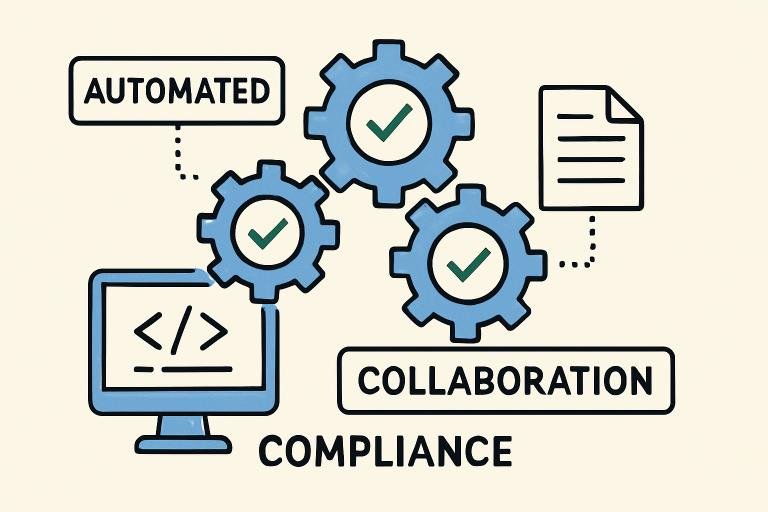
As software environments grow increasingly complex, ensuring compliance with industry standards has never been more essential. Regulatory environments are constantly shifting, requiring organizations to adopt modernized strategies for risk mitigation, data security, and quality assurance. Guidance from solutions like Radian Generation Standards Compliance Intelligence Portal (SCIP) is helping teams navigate these challenges by unifying compliance tasks with agile processes and digital automation.
Organizations that integrate standards compliance early and continuously throughout the development lifecycle not only avoid costly retrofits but also foster a culture of collaboration and accountability. A proactive approach to secure code and regulatory alignment is crucial for sustaining long-term efficiency and product integrity. Forward-thinking companies are embracing intelligent tooling and methodologies to simplify adherence and keep pace with evolving requirements.
While modern standards compliance still demands careful documentation, it now emphasizes automation, audit readiness, and transparent workflows. As business operations extend into cloud architectures and multinational jurisdictions, compliance demands are becoming more granular, and staying current means leveraging new technologies, continuously training your team, and integrating tools that holistically support real-time software governance.
Embedding compliance in the DNA of software development increases agility without sacrificing security or accountability. The latest industry research and expert insights underscore the value of synchronizing compliance initiatives with development velocity, statistically analyzing risk points, and tightly managing open-source and proprietary dependencies. By implementing standards compliance effectively, organizations can reliably deliver robust, secure software and outpace competitors in regulated markets.
Integrating Compliance into Agile Methodologies
Bringing compliance into agile methodologies like Scrum or Kanban is helping organizations break away from the legacy model of late-stage audit panic. By incorporating compliance criteria into sprint planning, user stories, and acceptance tests, teams ensure regulation is built into every feature from inception. As revealed by a groundbreaking study published by the Directory of Open Access Journals (DOAJ), adapting agile for DO-178C (aeronautics compliance) increased defect detection rates by 75%. It slashed effort per requirement by 76%. This demonstrates the tangible benefits of aligning compliance and agility through iterative, documentation-driven approaches.
Leveraging AI for Code Review and Security Validation
AI-powered code review and security validation tools accelerate standards enforcement by automatically flagging vulnerabilities and suggesting code fixes directly within development environments. These tools integrate cybersecurity best practices, checking everything from encryption policies to third-party library versions. With global cybercrime damage projected to reach $10.5 trillion by 2026, according to Cybersecurity Ventures, embedding AI-driven security checks not only streamlines compliance but also drastically improves risk posture, ensuring no critical threat goes unnoticed during rapid sprints.
Implementing Software Composition Analysis
Software Composition Analysis (SCA) tools are indispensable for monitoring open-source and third-party code in modern applications. SCA provides granular visibility into dependency health, tracking license compliance, outdated components, and public security advisories. Sophisticated techniques, such as vulnerable method analysis, help organizations assess whether a flagged vulnerability actually affects their code path, thereby reducing unnecessary noise and focusing remediation efforts for maximum effectiveness. Integrating SCA results into centralized dashboards further enforces auditability across all projects.
Adopting the Microsoft Security Development Lifecycle
The Microsoft Security Development Lifecycle (SDL) framework is shifting how teams prioritize and implement security from concept to decommission. By mandating risk management, secure design, and validation activities at every stage, SDL helps align codebases with both internal policy and global standards such as ISO/IEC 27001. Teams that adopt SDL report fewer security issues post-release and are better prepared for regulatory scrutiny, ultimately lowering total compliance costs and protecting brand reputation.
Conducting Regular Compliance Audits
Regular compliance audits are vital checks that ensure ongoing compliance with industry regulations and company policies. Organizations conducting annual audits are 30% more likely to maintain consistent compliance and quickly adapt to regulatory updates. Effective audits go beyond spreadsheets, incorporating interactive interviews, real-time documentation reviews, and end-to-end system tracking to identify vulnerabilities and procedural gaps proactively.
Utilizing Document Control Systems
Comprehensive document control systems bridge the gap between technical teams and business stakeholders by centralizing project artifacts, version histories, and collaborative review workflows. These solutions not only support audit readiness but also enhance transparency, reduce manual rework, and uphold accountability as codebases evolve. Integrated document control workflows, such as automated traceability matrices, help manage compliance-heavy industries like healthcare and finance with greater efficiency and lower administrative overhead.
Establishing Clear Requirements and Standards
Defining achievable, standardized requirements is foundational for orchestrating smooth compliance initiatives. Leveraging collaborative platforms like Git for requirements traceability, automated validation, and change tracking results in audit-proof documentation and transparent workflows. By involving all stakeholders in requirements definition and maintaining a living repository of standards, organizations gain the dual advantages of accelerated onboarding and reduced compliance drift.
Preparing for a New Era of Compliance
The compliance landscape is rapidly evolving, with new standards, privacy regimes, and security frameworks emerging each year. Keeping teams well-versed through ongoing learning—such as webinars, workshops, and professional certifications—ensures everyone is prepared to meet new demands head-on. Proactive compliance training is becoming a competitive differentiator, equipping software professionals with the knowledge to build resilient, standards-aligned products in any market condition.
Implementing modern compliance strategies empowers software teams to stay ahead of the regulatory curve, improve code security, and accelerate product delivery without losing auditability or efficiency. By combining agile development, intelligent tooling, and rigorous documentation processes, organizations can build a culture of compliance that supports growth and innovation across sectors.