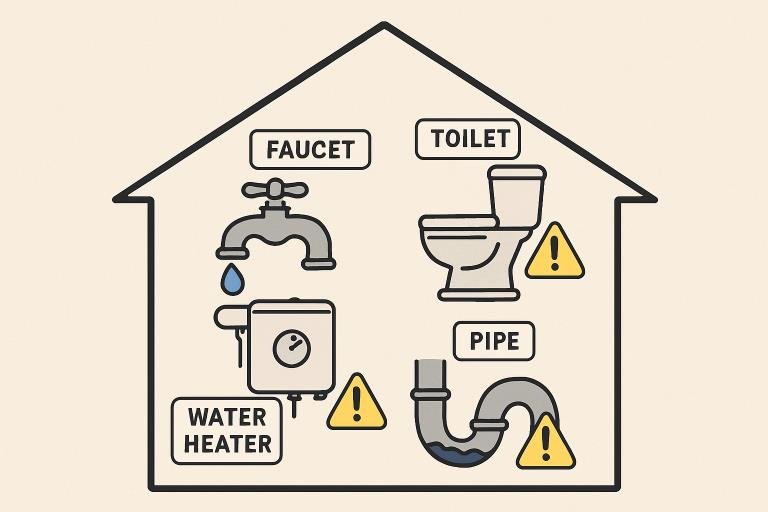
Every homeowner eventually faces plumbing issues, from minor annoyances to major emergencies that can threaten the safety and comfort of the entire household. Proactively understanding and managing these common problems can save you from costly repairs and significant inconveniences. If you ever encounter a plumbing situation that’s beyond a simple fix, don’t hesitate to reach out to plumbers in Arlington, who offer professional services for both routine maintenance and urgent repairs.
Maintaining a reliable plumbing system not only preserves your home’s functionality but also guards against potential water damage and health hazards. Most problems stem from everyday wear and tear, but with the right attention and swift action, you can often solve them before they escalate. Regular maintenance, early detection, and knowing when to call for help are key principles for any homeowner.
Leaky Faucets and Fixtures
Causes and Symptoms
Leaky faucets are among the most common issues homeowners face. Dripping fixtures may seem minor, but according to the EPA, a single faucet dripping at the rate of one drop per second can waste over 3,000 gallons of water annually. The common culprits are usually worn-out washers or seals, which can deteriorate over time due to constant use.
How to Address
Most leaks can be resolved by replacing the faulty component. Turn off the water supply, disassemble the faucet, and install a new washer or O-ring. For persistent or hard-to-access leaks, consult a licensed plumber.
Clogged Drains
Warning Signs and Prevention
Kitchen and bathroom drains clog easily due to hair, grease, soap residue, and other debris. Early detection is possible if you notice water draining slowly or unpleasant odors emanating from the pipes. To keep drains clear, use screens to catch debris and periodically flush drains with a combination of baking soda and vinegar, followed by hot water.
When to Seek Help
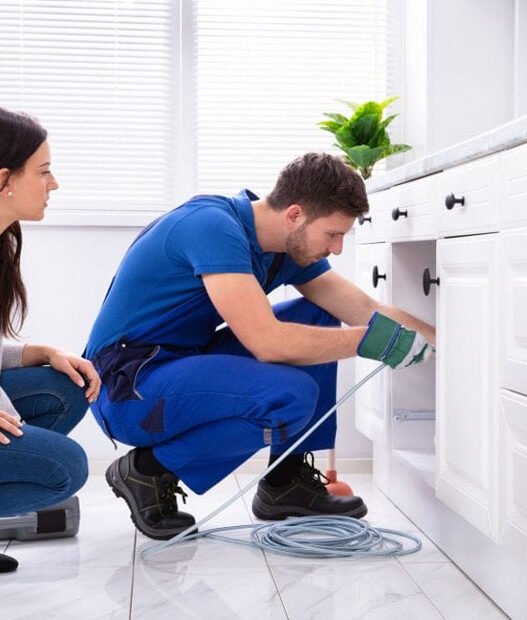
DIY methods, such as plungers and drain snakes, work for minor blockages. However, stubborn or recurring clogs may indicate deeper issues, such as buildup in the main sewer line or damaged pipes, necessitating a professional inspection and cleaning.
Running Toilets
What Happens and Why
Running toilets are often overlooked, but they can waste hundreds of gallons of water each day. Faulty flapper valves, corroded handles, or misaligned float arms are typical sources of this problem. Listen for continuous water trickling or a toilet that doesn’t flush properly.
DIY Solutions
Check the flapper, fill valve, and float mechanism inside the tank. Replacing any faulty parts is straightforward and relatively inexpensive. If the issue persists or is related to hidden leaks, consider hiring an expert to assess potential underlying plumbing issues.
Low Water Pressure
Common Causes
Low water pressure can affect a single fixture or the entire household. Sediment buildup in aerators, pipe corrosion, or undetected leaks are frequent causes. If only one fixture is affected, unscrew the aerator or showerhead and clean out any mineral deposits.
Serious Underlying Issues
If you consistently notice low pressure across multiple fixtures, this could signal a more severe problem, such as a failing pressure regulator or trouble with the main supply line. In such cases, calling a professional ensures you don’t miss a critical underlying issue.
Water Heater Problems
Signs Your Heater Needs Attention
No hot water, fluctuating temperatures, or odd noises coming from your water heater usually mean there’s sediment buildup inside the tank. Regularly flushing your heater every six months can extend its lifespan and improve efficiency.
When to Replace
Most water heaters last between 8 and 12 years. If you find that your appliance is older and frequent repairs don’t resolve the problems, replacing the heater may be a more economical and energy-efficient option. Guidance from a trusted plumbing professional can help you make informed decisions.
Burst or Leaking Pipes
Recognizing the Risks
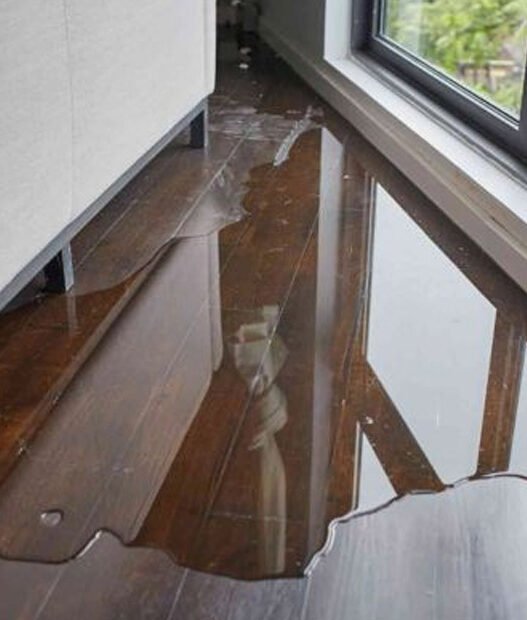
Burst pipes can release massive amounts of water, causing structural damage, electrical hazards, and the growth of mold. Freezing temperatures, shifting soil, and corrosion are prominent causes. Watch for signs like damp drywall, puddles, or unexplained spikes in your water bill.
Immediate Actions
If a pipe bursts, shut off your home’s main water supply and contact a professional immediately. Insulate exposed pipes and inspect for visible wear to prevent future problems.
Hard Water Issues
Understanding Hard Water
Water high in minerals like calcium and magnesium—known as hard water—can damage appliances and clog pipes due to the formation of scale. Homeowners may notice spots on dishes, faded laundry, or reduced water flow.
Mitigation
Installing a water softener helps reduce mineral content and protects your plumbing system. This improves appliance efficiency and extends their lifespan, helping save on long-term replacement costs.
Sewer System Backup
Warning Signs and Causes
Sewer backups are serious and can be identified by multiple drain blockages, foul odors, or pooling water near basement drains. Common causes include tree root intrusion, clogs, or mainline breaks. It’s essential to address these immediately due to the health hazards involved.
Professional Solutions
Attempting to address a backup yourself can be risky and ineffective. Professionals have the tools and expertise to safely clear blockages and assess the condition of your sewer line, preventing further damage and contamination.
Staying vigilant for early warning signs, practicing regular maintenance, and knowing when to seek professional support are the best ways to safeguard your home’s plumbing system. Prompt attention to these issues ensures a safe and comfortable living environment, avoiding the inconvenience and expense of major repairs.
Final Thoughts
Staying proactive with your home’s plumbing system is one of the most effective ways to prevent costly damage and avoid unnecessary stress. By addressing small issues promptly, performing routine maintenance, and recognizing when professional assistance is necessary, homeowners can maintain a safer and more efficient living environment. Understanding the common problems outlined above empowers you to take swift, informed action—protecting both your property and your peace of mind. Consistent care today ensures a reliable plumbing system that supports your household for years to come.