When considering home improvement, enhancing your home’s comfort with an upgraded HVAC system is often a top priority. Many homeowners underestimate the significant impact that a well-functioning HVAC system can have on indoor comfort levels. This article will explore how upgrading your HVAC system can drastically improve your home’s comfort and address related costs and maintenance considerations.
Understanding the Benefits of a New HVAC System
Investing in a new HVAC system brings numerous benefits that directly affect your home’s comfort levels. A modern HVAC system can provide more consistent heating and cooling, ensuring that every room in your home maintains the right temperature regardless of the season. This improved temperature regulation can significantly enhance your day-to-day living experience.
Aside from consistent temperatures, a new HVAC system can also improve indoor air quality by filtering out pollutants and allergens more effectively. This upgrade is particularly beneficial for households with individuals who suffer from allergies or respiratory issues. Thus, the comfort improvements are not only felt through temperature but also through the air you breathe.
Additionally, modern HVAC systems are designed to operate more quietly than their older counterparts. This reduction in noise pollution contributes to a more peaceful home environment. In essence, upgrading your HVAC system enhances comfort by addressing temperature, air quality, and noise levels.
Long-Term Cost Savings and Efficiency
One of the most compelling reasons to consider an HVAC upgrade during a home improvement project is the potential for long-term cost savings. While the initial investment may seem significant, with an average cost ranging from $5,000 to $12,500, according to HomeAdvisor, many homeowners find that the efficiency of new systems leads to noticeable reductions in energy bills. Over time, these energy savings can offset the initial cost.
New HVAC systems are engineered to be more energy-efficient, leveraging technology designed to use less power while providing effective climate control. This efficiency not only reduces operating costs but also minimizes the environmental impact of your household. Investing in a high-efficiency model aligns with a more sustainable and economical lifestyle.
The long-lasting nature of modern HVAC equipment further enhances cost-effectiveness. Well-maintained HVAC units can have a life span of up to 15 years, according to Bob Vila, meaning infrequent replacements are required. This extended timeline of efficiency and reliability maximizes the return on investment for homeowners.
Maintenance and Repairs
Contrary to what some might believe, upgrading to a new HVAC system does not equate to frequent maintenance hassles. In fact, newer models often come with advanced diagnostics and monitoring features that alert you to potential issues before they become significant problems. Regular maintenance, which is typically less demanding for new systems, ensures that your HVAC unit runs efficiently throughout its lifetime.
Addressing necessary repairs promptly is crucial in maintaining comfort and efficiency. According to HomeGuide, most air conditioning repairs take between 1 and 8 hours, depending on which part requires attention. This relatively short repair window helps minimize disruptions to your daily life.
Scheduled maintenance checks by professionals can help prolong the lifespan of your HVAC system, reducing the likelihood of unexpected breakdowns. Routine upkeep might include cleaning filters, checking thermostats, and inspecting system components, making sure your home remains comfortable year-round.
Enhancing Home Comfort with Smart Technology
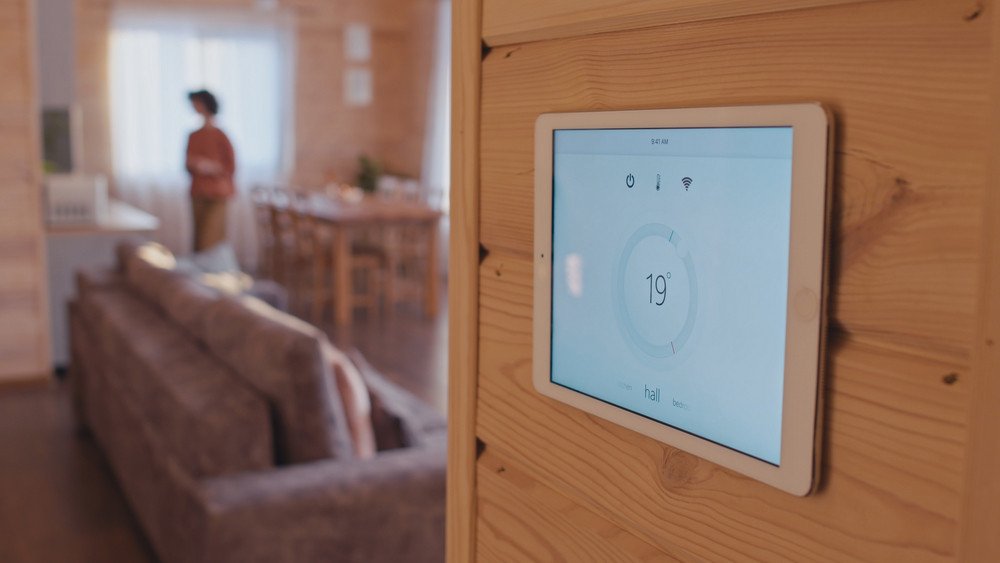
Incorporating smart technology into your HVAC system can be a game-changer for home comfort. Smart thermostats, for instance, allow you to program and control your home’s temperature settings remotely, ensuring your home is always at your preferred comfort level. This ability to customize your environment is becoming a crucial aspect of modern home improvement projects.
Smart HVAC systems can learn your schedule and adjust settings automatically to maximize comfort and efficiency. This feature reduces the need for manual adjustments and ensures that your living space is always at the optimal temperature the moment you walk in the door. The convenience and comfort associated with such technology are significant selling points for tech-savvy homeowners.
Moreover, data collected by smart systems can provide valuable insights into your home’s energy usage patterns. These insights can guide future home improvement decisions by highlighting areas where energy efficiency can be further optimized. As such, the integration of smart technology in your HVAC system not only enhances comfort but also contributes to a more informed and efficient household.
Upgrading your HVAC system is a worthwhile home improvement investment that brings multiple benefits, from increased comfort and air quality to long-term cost savings and technological integration. Whether you’re aiming to improve your home’s living conditions or seeking to enhance its value, a new HVAC system plays a pivotal role. By investing in modern, efficient solutions, you’ll not only enjoy an improved lifestyle but also contribute to a more sustainable and financially viable future for your household.