Key Takeaways
- Reverse parking positions your vehicle for a safer and easier exit.
- Following a step-by-step method builds consistency and confidence.
- Vehicle cameras and sensors are helpful, but good habits matter most.
- Regular practice in quiet areas helps accelerate the mastery of this skill.
Many drivers see reverse parking as an intimidating maneuver, but it’s actually a straightforward technique that can dramatically improve your safety behind the wheel. With consistent practice and the right approach, reverse parking becomes as routine as any other driving skill, giving you far better control over your vehicle when exiting a space. For those seeking guidance or a step-by-step refresher, excellent tips for parking in reverse are available to help build your confidence.
When you reverse into a parking spot, you set yourself up for better visibility and a smoother drive-off later. This clear line of sight is crucial in busy parking lots where distractions and moving obstacles abound. Learning to reverse park is not just about convenience; it’s an investment in your driving safety and efficiency.
Why Reverse Parking Matters
Reverse parking offers tangible advantages compared to driving straight into a spot. When you reverse into a stall, your car is already pointed in the direction of traffic when it’s time to leave. This significantly increases your field of vision, allowing you to spot oncoming cars or pedestrians before you pull out. Studies and safety organizations, such as the Insurance Institute for Highway Safety (IIHS), emphasize that most parking lot accidents occur while backing out of a space without looking. By backing in, you reduce this risk and gain a crucial safety edge.
Beyond enhanced safety, reverse parking can also make your departures quicker and less stressful, especially in crowded lots with limited maneuvering room. Taking a few extra moments to position your car upon arrival can save you time and worry during departure.
Step-by-Step Guide to Reverse Parking
Reverse parking can be easily mastered by breaking down the maneuver into these simple steps:
- Approach the Space: Drive past the parking stall so the rear of your vehicle is in line with the space. This creates the proper angle for reversing in.
- Signal Your Intent: Use your indicator to communicate your intentions to nearby drivers, reducing confusion and surprise.
- Check Your Surroundings: Scan mirrors and look over your shoulder to ensure your path is clear of pedestrians and obstacles.
- Start Reversing Slowly: Shift into reverse and gradually turn your steering wheel toward the stall as your vehicle begins to back up, keeping an even, controlled pace.
- Straighten Out: As the car starts to enter the space, slowly straighten your steering wheel so the vehicle aligns parallel to the parking lines.
- Adjust as Needed: If at any point the car isn’t centered, gently pull forward to reposition before completing the maneuver.
Practice is key to making these steps feel natural, helping you coordinate your mirrors, steering, and speed simultaneously.
Common Mistakes and How to Avoid Them
Even experienced drivers can slip up during reverse parking. The most frequent errors include:
- Too Little Space: Failing to give yourself enough starting room can force awkward maneuvers. Always pull far enough ahead before reversing.
- Steering Errors: Turning the wheel too soon or too late misaligns the vehicle. Practicing in a low-pressure environment helps develop accuracy.
- Skipping Blind Spot Checks: Backing in without scanning all surroundings can result in preventable collisions or close calls. Always double-check before and during the maneuver.
Practicing in Safe Environments
The best way to build comfort with reverse parking is through repetition in settings where mistakes carry little consequence. Empty parking lots during off-hours, or wide, open spaces, let you experiment with angles and learn your car’s turning radius without added pressure. Practicing regularly sharpens your spatial awareness and muscle memory, making reverse parking an easy habit rather than a stressful task.
Leveraging Vehicle Technology
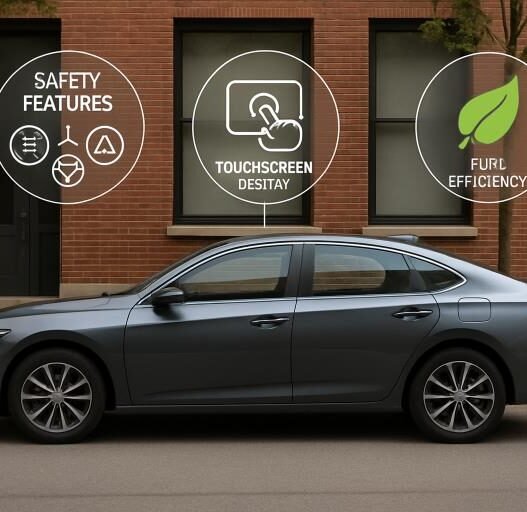
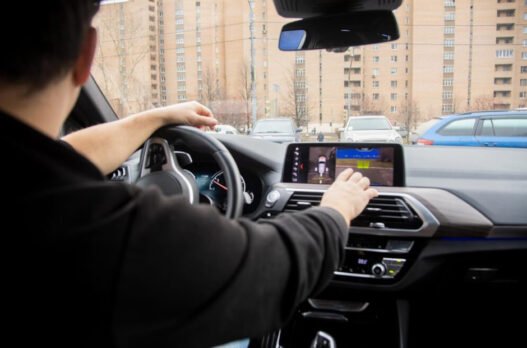
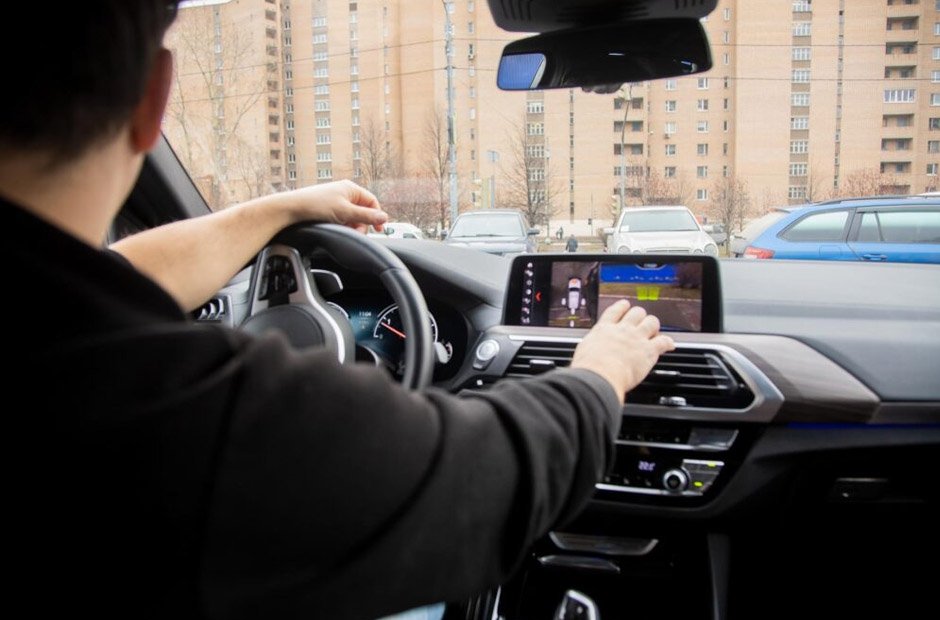
Today’s vehicles frequently feature backup cameras, parking sensors, and even automated parking assistance. These technologies are great as secondary aids, helping you judge distances and angles with greater confidence. However, experts, including the Insurance Institute for Highway Safety (IIHS), recommend using these systems in combination with traditional visual checks—for best results, never rely solely on technology.
Benefits of Reverse Parking
- Safety Boost: Exiting a spot forward-facing allows for early detection of moving cars, bicyclists, and pedestrians.
- Faster Departures: Reverse parking prevents awkward multi-point turns when it’s time to leave, especially in congested lots.
- Reduction in Minor Collisions: By reversing in and driving out, you minimize exposure to blind areas that often cause minor scrapes or bumper dings. Studies have shown that reverse parking, when combined with rearview cameras and sensors, can reduce the risk of parking lot accidents by up to 75%.
Conclusion
Reverse parking is more than just a neat driving trick—it’s a core skill that delivers improved safety, faster exits, and fewer parking lot headaches. By learning the correct technique, leveraging helpful technologies, and putting in regular practice, drivers of all experience levels can master this essential maneuver. Make reverse parking part of your routine to enjoy a safer, smoother, and more confident driving experience for years to come.