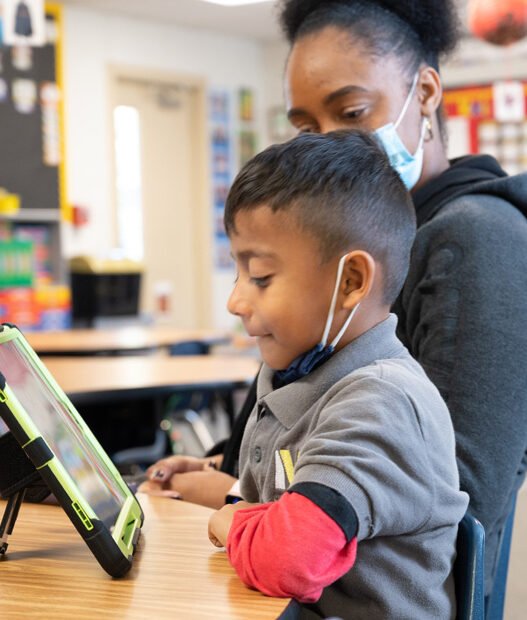

Early childhood is a crucial period for cognitive, emotional, and social development. During these formative years, children begin to build the foundation for lifelong learning and personal growth. Preschool education provides structured experiences that promote curiosity, cooperation, and confidence. Far more than simple childcare, high-quality preschool programs prepare kids academically and socially for school success. Research consistently shows that attending preschool leads to measurable long-term benefits in education, behavior, and health.
1. Academic Growth and Early Learning Skills
One of the most widely recognized advantages of preschool education is the academic head start it gives children. In these settings, children learn basic concepts in literacy, mathematics, and language through age-appropriate lessons and play-based activities. According to data from the Urban Child Institute, children who participate in Pre-K programs develop foundational skills in reading, vocabulary, and math at a much faster pace than those who do not attend. In fact, the learning gains of preschool participants are between 37% and 176% greater than those of children who did not attend similar programs.
These early gains are not temporary. Studies have found that students who attended preschool often maintain their academic edge well into elementary school. They are better prepared for the transition to formal education, demonstrate stronger comprehension abilities, and show greater enthusiasm for learning. Preschool provides a nurturing environment where learning is both fun and meaningful, fostering curiosity and a love for discovery that lasts throughout childhood.
2. Improved School Engagement and Attendance
Beyond academics, preschool experience promotes good habits that support long-term educational success. Attendance and engagement in early education often influence how students approach school later in life. A report featured by Education Week found that children who attended preschool were more consistent in their attendance during later school years, missing an average of 1.5 fewer days per year compared to peers who did not.
Regular attendance during the preschool stage helps children establish a strong sense of routine and responsibility. It also reduces separation anxiety and helps them feel more comfortable and confident in classroom settings. This consistency translates to better participation, improved focus, and stronger relationships with teachers and classmates. Educators often note that preschool graduates adapt more quickly to kindergarten expectations and classroom rules. These early habits create a solid base for a successful academic journey.
3. Long-Term Educational Success and Life Outcomes
The benefits of preschool extend far beyond early learning and attendance habits. They have lasting effects that continue into adolescence and adulthood. Findings reported by NPR reveal that students who attended preschool are more likely to graduate from high school. The graduation rate among these students is about 70%, which is six percentage points higher than that of children who did not attend preschool. This finding demonstrates how early education contributes to lifelong achievement.
Preschool helps children build essential life skills such as problem solving, cooperation, and self-control. These qualities are vital for success in higher education and in their future careers. Over time, preschool graduates tend to show better communication skills, stronger confidence, and more positive interactions with others. These attributes contribute to greater overall well-being and social success.
Communities also benefit from widespread preschool participation. Early education leads to stronger school systems, better workforce readiness, and reduced need for remedial education. Investing in preschool helps create a generation of learners who are capable, motivated, and ready to contribute to society.
Preschool education offers young children a valuable start that shapes their academic readiness and personal development. It supports early literacy and math growth, encourages consistent school attendance, and contributes to higher educational achievement in later years. Evidence shows that children who attend preschool advance more quickly in learning, attend school more regularly, and achieve higher graduation rates than those who do not.