Key Takeaways
- A line of credit offers convenient, revolving access to funds for unforeseen expenses.
- Interest is only charged on what you use, providing cost-effective borrowing.
- When used responsibly, a line of credit can safeguard your financial stability during emergencies.
- Comparing alternatives and considering responsible borrowing practices is crucial.
Understanding Lines of Credit
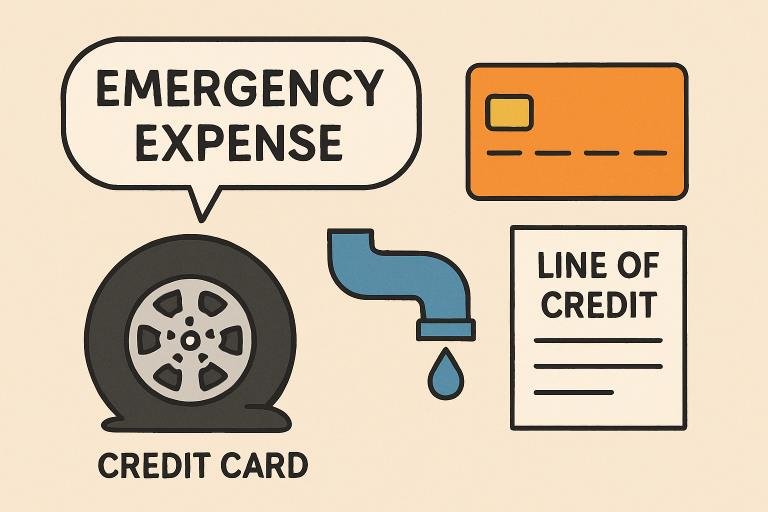
A line of credit is a flexible borrowing option that provides access to funds up to a set limit, functioning similarly to a credit card but often with lower interest rates and greater versatility. This financial product isn’t just reserved for large purchases or home improvements—it’s particularly valuable for managing unforeseen expenses, such as medical bills or sudden repairs, without the stress of reapplying for a loan each time a need arises. Lenders typically approve a maximum credit limit, and you only draw—and pay interest on—what you use.
For those seeking flexible solutions from credit line lenders, a line of credit can be the difference between a manageable setback and a prolonged financial struggle. This revolving nature means that as you pay off your balance, your available credit is replenished, making it a resource you can access repeatedly over time.
Common Unexpected Expenses
Life’s surprises aren’t always pleasant, and unplanned costs can strain even the most robust budgets. Some of the most frequent unexpected expenses include:
- Medical emergencies
- Sudden car repairs or breakdowns
- Major home repairs, such as plumbing or heating failures
- Job loss or abrupt reductions in income
- Emergency travel for family or work
A 2024 report from the JPMorgan Chase Institute revealed that while many households can manage a small, sudden expense, larger or repeat emergencies often require fast access to additional funding. In these cases, having a pre-approved line of credit can serve as a crucial financial safety net.
Benefits of Using a Line of Credit for Emergencies
When the unexpected hits, a line of credit offers unique advantages compared to more rigid loan products:
- Immediate Access to Funds: Once established, you can draw on your credit line quickly, without delays or reapplication.
- Interest Savings: You pay interest only on the amount you borrow, not the full approved limit. This makes it more affordable than a personal loan or cash advance.
- Flexible Repayment: Most lines of credit allow you to repay at your own pace, within minimum payment requirements, giving you more control than a traditional loan payment schedule.
These features make a line of credit especially useful for circumstances where you may not know the exact amount or timing of your expenses upfront.
Comparing Lines of Credit to Other Financial Tools
During emergencies, it’s essential to use the financial tool that aligns with your needs and capacity to repay. Here’s how a line of credit compares to several popular alternatives:
Credit cards offer quick access to funds and the potential for rewards, but they come with very high interest rates and make it easier to accumulate debt. Personal loans offer fixed rates and predictable payments, providing borrowers with a clear repayment plan. However, they do not provide ongoing access to funds, and interest is applied to the total borrowed amount. Home Equity Lines of Credit (HELOCs) often offer lower interest rates and larger borrowing limits for homeowners with sufficient available equity. Still, they put your home at risk if you default, and they typically involve higher upfront costs.
According to Bankrate, lines of credit typically offer lower interest rates than credit cards. Still, it’s essential to consider features like rewards and ease of use in relation to your ability to repay any debt.
Responsible Use of a Line of Credit
Like any financial product, a line of credit is most helpful when managed wisely. These essential guidelines can help ensure your line of credit supports—rather than undermines—your long-term financial health:
- Borrow Only What You Need: Treat your available credit as a safety net, not an invitation for unnecessary spending.
- Pay On Time: Making timely payments not only keeps your account in good standing, but it also helps maintain or improve your credit score.
- Develop a Repayment Plan: Create a budget to pay off borrowed amounts quickly and avoid lingering debt.
Consider consulting additional guidance on responsible borrowing practices from reputable sources, such as the Consumer Financial Protection Bureau (CFPB), to stay well-informed.
Alternatives to Lines of Credit
While a line of credit is highly flexible, it may not always be the best answer. Alternative solutions can include:
- Emergency Savings: A healthy savings fund is ideal for true emergencies and prevents the need to borrow at all.
- Payment Arrangements: Many service providers and hospitals offer payment plans for large, unexpected bills, sometimes with zero interest.
- Community or Social Assistance Programs: Nonprofits, charities, or government support can help cover critical costs in difficult times.
According to a recent article by The New York Times, building an emergency fund—even a modest one—remains one of the most reliable ways to protect your financial well-being.
Final Thoughts
Financial surprises are a part of life, but their impact can be minimized with preparation. A line of credit offers rapid and flexible funding for those critical moments when cash is tight. By borrowing responsibly, making timely payments, and comparing all your options, you can use a line of credit to weather life’s storms without derailing your long-term financial goals.