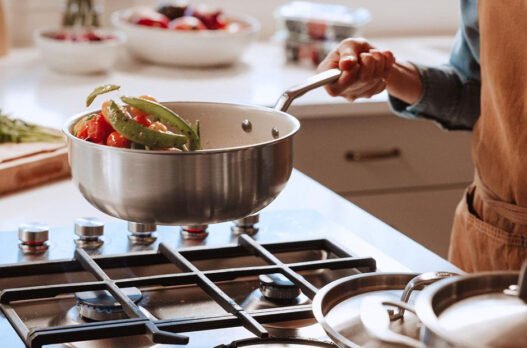
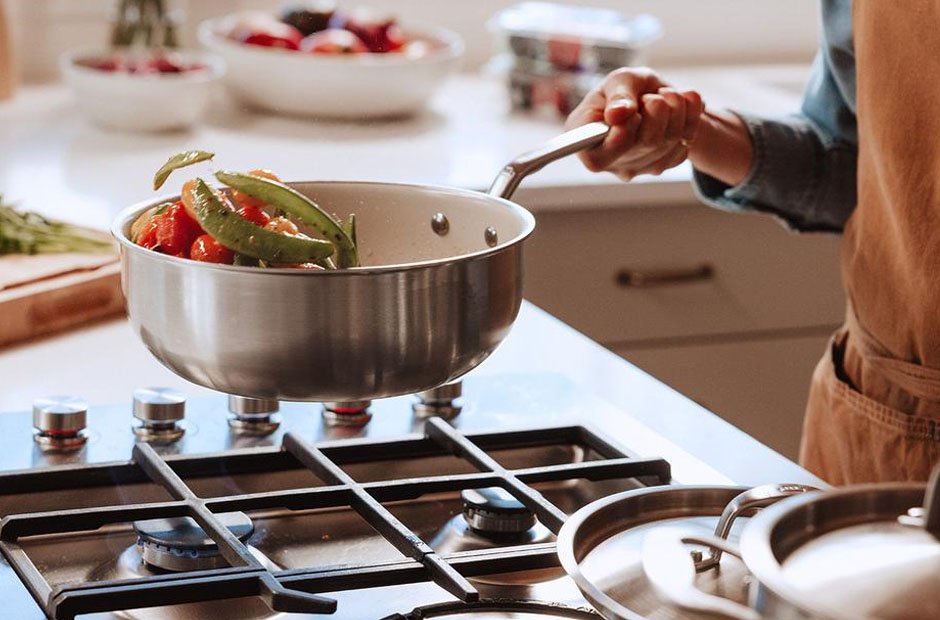
Using greaseless cookware systems may help prepare meals with less added oil. Such cookware is designed to promote even heat distribution and retain moisture during cooking. Some systems incorporate materials like stainless steel, which are commonly used for their durability and non-reactive properties. Here are a few cooking techniques that are appropriate for greaseless cookware:
Regulate Temperature for Uniform Cooking
Using greaseless cookware generally involves careful control of heat to achieve consistent results. These cooking systems are designed to distribute heat across the surface more evenly, which can help reduce the likelihood of scorching or uneven textures during cooking. Many experienced cooks begin at low to medium heat, then adjust gradually to reach an appropriate temperature. This approach allows ingredients to cook more uniformly throughout the dish and contributes to balanced flavor development. When heat is regulated, texture and flavor are more likely to be maintained, and some nutrients may be better retained during the cooking process.
Cook With Natural Moisture
The amount of moisture in food can affect how greaseless cooking is applied. Certain vegetables, poultry, and fish release steam when exposed to higher cooking temperatures. Cooking in sealed vessels helps trap this steam and distribute it more evenly throughout the food. This process helps retain vitamins and minerals that might otherwise be reduced during boiling. Experienced cooks sometimes use the natural moisture of ingredients to support the texture and flavor of a dish.
Steaming is often used as a gentle method for cooking delicate ingredients. It is commonly applied to leafy greens, seafood, and vegetables with high water content. The use of mild steam can help maintain the color and structure of these foods while potentially reducing nutrient loss. These techniques often contribute to visually appealing dishes that preserve some of the natural qualities of the ingredients.
Sear Foods Without Adding Oils
Greaseless searing can develop flavor through natural browning. Preheating the pan properly helps proteins and starches cook more evenly once the surface reaches a high temperature. High-quality cookware supports this by keeping the surface temperature consistent. When proteins cook evenly, the edges and center of the food tend to finish at similar rates, reducing uneven cooking.
For starches such as rice, even cooking can result in a more uniform texture, rather than a mix of hard and soft grains. Greaseless searing also contributes to a desirable texture with little added fat when preparing foods like chicken or fish. By spreading heat more evenly across the surface, this method helps prevent undercooked or overcooked areas. Careful heat management allows the food to cook consistently from edge to center.
Cook With Greaseless Cookware Today
Preparing meals with quality cookware and using techniques such as simmering and searing can result in tasty, balanced dishes. Techniques such as steaming help preserve some nutrients in food. Many greaseless cookware systems use materials like stainless steel, which conduct heat evenly and support consistent cooking. Contact providers of greaseless cooking systems today to learn more about techniques suited for these types of pans.