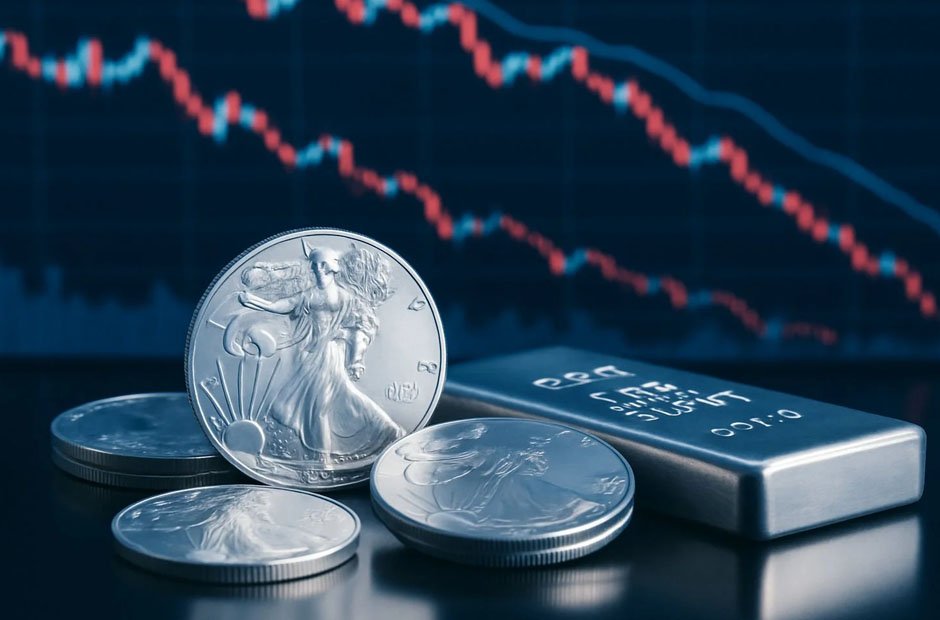
Silver carries special importance to worldwide financial markets because people use it to create both valuable metal assets and practical industrial materials. Silver serves as an investment choice that people use to achieve three objectives, which include protection against inflation and access to commodity markets. Investors who understand silver’s role in their financial plans will make better investment choices during times of rapid market changes.
Silver possesses inherent value because people use it for technological and manufacturing and renewable energy applications, while other assets only depend on market sentiment for their value. The composite demand for silver, during industrial as well as financial usage, actually develops into an important investment that is quite often underrated.
Why Silver Attracts Investors
Silver plays a significant role in many portfolios because it offers characteristics that differ from traditional assets such as stocks and bonds.
Some of the main reasons investors consider silver include:
- Inflation protection: Precious metals historically retain value during inflationary periods.
- Portfolio diversification: Silver can move differently from equities, helping balance risk.
- Industrial demand: Used in electronics, solar panels, and medical equipment.
- Accessibility: Generally cheaper than gold, making it easier for new investors to enter the market.
Because silver is more affordable than many other precious metals, investors can accumulate larger quantities without committing extremely large capital.
Ways to Invest in Silver
There are various methods which investors use to obtain silver investments. The different approaches provide their respective advantages together with their corresponding disadvantages.
1. Physical Silver
Buying physical silver remains one of the most traditional investment options.
Examples include:
- Silver bullion bars
- Silver coins
- Collectable or numismatic coins
People who own properties directly through their assets gain complete freedom to manage their assets without being dependent on financial systems. The process of storing and securing people’s assets creates new challenges which need to be handled.
2. Silver Exchange-Traded Funds (ETFs)
Silver exchange-traded funds enable investors to access silver price movements without the need to own actual silver bullion. The funds operate by tracking silver value, and their shares are traded on stock exchanges just like regular stocks.
Benefits include:
- Easy trading through brokerage accounts
- High liquidity
- Lower storage concerns
3. Silver Mining Stocks
Investors who choose to invest in silver mining companies gain indirect access to changes in silver market prices. Mining companies experience higher profit levels when silver prices increase.
However, mining stocks also carry operational risks such as production costs, management performance, and geopolitical factors.
Is Silver Right for Your Portfolio?
Silver provides an investment opportunity to investors who seek commodity exposure while wanting to maintain their portfolio flexibility. The metal’s price sits below gold prices, which allows new investors to access the market.
Silver prices experience higher price fluctuations when compared to other precious metals. The investment process requires investors to assess their long-term objectives and their ability to handle risk before they proceed with significant fund distribution.
Balanced portfolios usually contain multiple asset classes which include stocks and bonds and silver and other commodities. The combination of these assets provides protection against economic fluctuations.
Investing Smarter with Silver
Silver stands as one of the most flexible financial assets because it combines industrial usefulness with its traditional role as an investment. Through changing financial markets, assets maintain their importance because they serve both as commodities and stores of value.
You can start learning about smarter investment approaches when you begin studying commodities because that knowledge will help you build a diverse investment portfolio which includes silver as a potential asset for your future financial strategy.