
Your mouth affects how you eat, speak, and feel each day. Small problems grow fast when you ignore them. That is why preventive care matters more than any repair. A dentist in Great Neck, NY sees the same five services protect patients again and again. These services cut pain. They lower costs. They also keep you out of dental emergencies. You may think brushing is enough. It is not. Routine visits catch quiet decay, bone loss, and infection before they spread. This blog explains the five services general dentists lean on most. Each one is simple. Each one has strong science behind it. You will see what happens during these services, why they work, and when you need them. You can then ask clear questions at your next visit and choose care that protects your health, not just your smile.
1. Regular exams and X‑rays
Routine exams and X‑rays give your dentist a clear view of your teeth, gums, and jaw. You see only the surface. Your dentist sees what hides between teeth and under fillings.
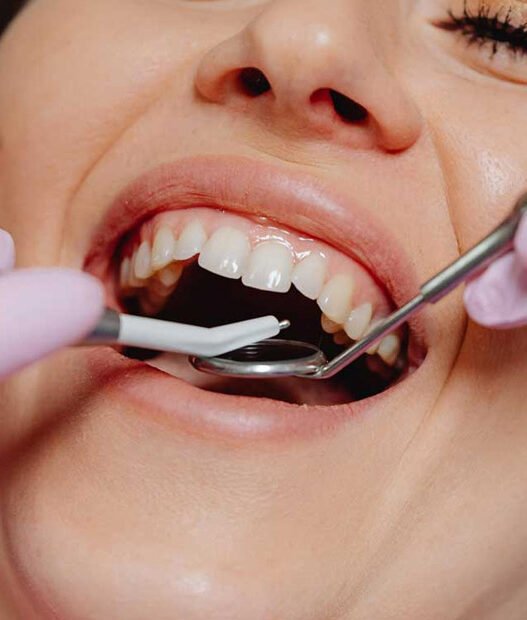
During a checkup, your dentist will usually:
- Look for decay, cracks, and loose fillings
- Check your bite and jaw movement
- Measure your gums for early gum disease
- Review X‑rays for bone loss, infection, and hidden decay
The American Dental Association explains that regular visits help catch problems early, when treatment stays simple and less costly.
For most healthy adults, dentists suggest an exam every six months. Some people need visits more often. That includes people who smoke, people with diabetes, or people who get cavities often.
2. Professional cleanings
Professional cleanings reach buildup that brushing and flossing miss. Plaque hardens into tartar. Only a trained clinician can remove tartar safely.
During a cleaning, you can expect three steps:
- Scaling to remove plaque and tartar from teeth and along the gumline
- Polishing to smooth tooth surfaces and remove surface stains
- Flossing to clear any loosened debris
The Centers for Disease Control and Prevention notes that gum disease is linked to heart disease, diabetes, and pregnancy problems.
Cleanings every six months help stop gum bleeding, bad breath, and loose teeth. Some patients with gum disease need deeper cleanings and more frequent visits.
3. Fluoride treatments
Fluoride strengthens tooth enamel. It helps your teeth resist acid from food, drinks, and bacteria. You already get some fluoride from toothpaste and often from tap water. Yet many people still get frequent cavities.
At a visit, your dentist may place fluoride as:
- Varnish brushed on teeth
- Foam or gel in a tray
- Rinse that you swish and spit
The treatment takes only a few minutes. You may need to avoid food or drink for a short time after. Children and adults who get new cavities each year often gain strong protection from fluoride treatments. People with dry mouth, braces, or many fillings also benefit.
4. Dental sealants
Sealants cover the deep grooves on the chewing surfaces. These grooves trap food and bacteria. Bristles cannot always clean them well. That is why many first cavities start on the back teeth.
The process is simple.
- The tooth is cleaned and dried.
- A gentle gel roughens the surface.
- The tooth is rinsed and dried again.
- Sealant material is painted into the grooves.
- A curing light hardens the material.
The CDC reports that sealants can prevent most cavities in molars for children and teens. Sealants help adults with deep grooves as well. They do not change how teeth feel when you bite. They just cover weak spots that invite decay.
5. Oral cancer screenings
Oral cancer grows in the mouth, lips, or throat. It often causes no pain at first. Early cancer can look like a small sore or patch that does not heal. Routine screenings catch these changes before they spread.
During a screening, your dentist will usually:
- Look at your lips, tongue, cheeks, and gums
- Check the roof and floor of your mouth
- Feel your jaw and neck for lumps
This takes only a few minutes during a regular exam. People who use tobacco or drink heavily have a higher risk. Yet anyone can develop oral cancer. Quick checks during each visit protect your health in a quiet, steady way.
Comparison of common preventive services
| Service | How often | Main goal | Typical visit time
|
| Exam and X‑rays | Exam every 6 to 12 months. X‑rays as needed | Find hidden problems early | 15 to 30 minutes |
| Professional cleaning | Every 6 months or more often | Remove plaque and tartar. Protect gums | 30 to 60 minutes |
| Fluoride treatment | Every 3 to 12 months, based on risk | Strengthen enamel. Lower cavity risk | 5 to 10 minutes |
| Dental sealants | Once per tooth. Touchups as needed | Protect chewing surfaces from decay | 10 to 20 minutes per tooth group |
| Oral cancer screening | At most routine exams | Spot early mouth and throat changes | 3 to 5 minutes |
How to use these services for your family
You can protect your family with three simple steps.
- Keep a regular visit schedule for every person in your home.
- Ask which services match each person’s risk for cavities and gum disease.
- Follow through on home care with brushing, flossing, and smart food choices.
Children, teens, adults, and older adults all gain from these same five services. The mix and timing change with age, health, and habits. Your dentist will help you plan. You protect your mouth when you show up, ask direct questions, and say yes to preventive care before pain starts.