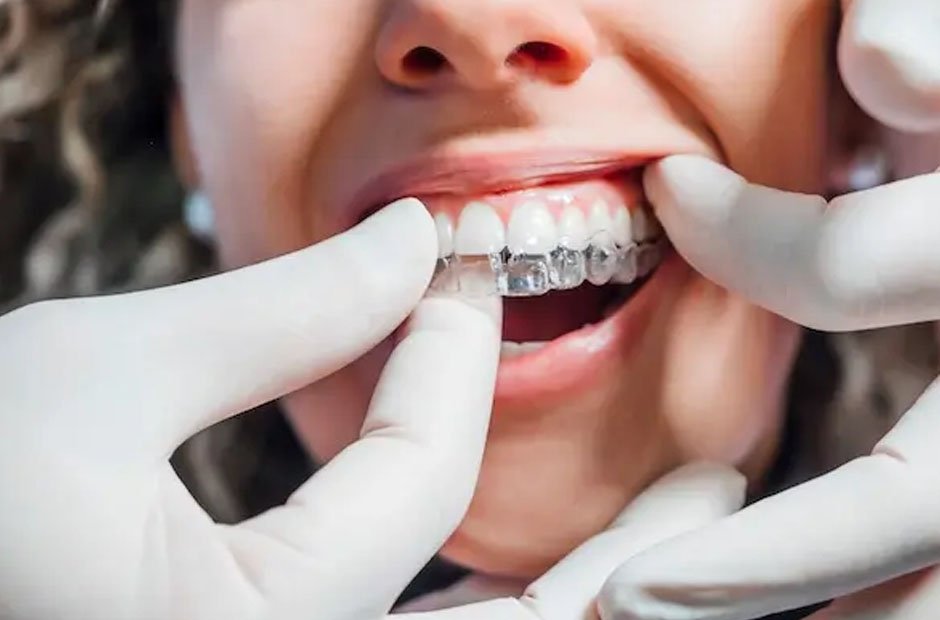
You may feel nervous when you first hear about clear aligners. You might wonder if they work, if they hurt, or if they cost too much. These questions are common. They are also fair. Your smile affects how you eat, speak, and face other people. You deserve clear, honest answers, not pressure. This blog shares the 5 common questions patients ask about clear aligners and what you can expect from treatment. It explains how aligners move your teeth, how long treatment takes, and what daily life feels like with them. It also covers cost, safety, and when braces might be a better choice. If you are thinking about aligners or already wear them, this guide helps you feel ready to speak with dentists in Temple, GA and make a choice that fits your health and your life.
1. Do clear aligners really work?
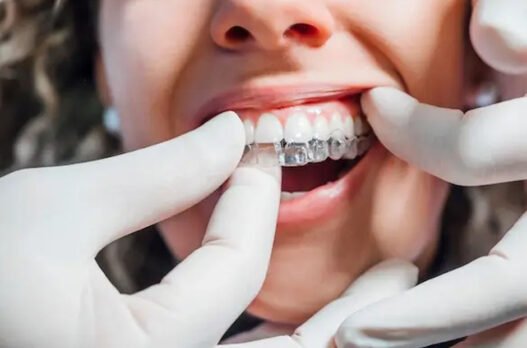
Clear aligners can straighten teeth when a dentist or orthodontist plans and checks your care. Each set of trays puts light pressure on your teeth. Over time, your teeth shift into new spots.
Clear aligners often work well for:
- Crowded teeth
- Small gaps
- Mild overbite or underbite
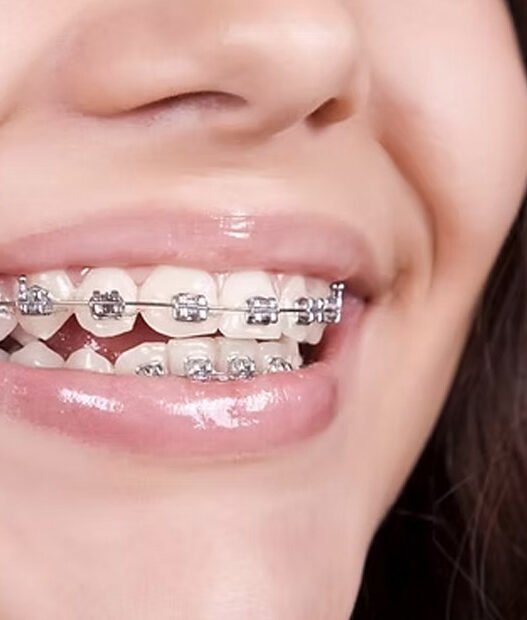
Some bite problems need braces or other tools. That choice depends on your teeth, jaw, and health. A dentist reviews your mouth, X-rays, and sometimes photos or scans before giving you a plan.
The National Institute of Dental and Craniofacial Research explains that straight teeth can help you chew and clean your mouth with less strain. Clear aligners are one method to reach that goal.
2. How long does treatment take?
Treatment time depends on how much your teeth need to move and how often you wear the trays. Most people wear aligners 20 to 22 hours each day. You usually change to a new set every 1 to 2 weeks.
Here is a simple guide to treatment length.
| Type of tooth problem | Typical treatment time | Common features
|
| Mild crowding or small gaps | 3 to 6 months | Few changes to bite |
| Moderate crowding or bite issues | 6 to 18 months | More sets of trays |
| Complex bite or rotated teeth | 18 months or longer | Possible use of braces or other tools |
These times are estimates. Your plan may be shorter or longer. Missed wear time can stretch treatment. Regular visits help your dentist track progress and adjust your plan when needed.
3. What does daily life with aligners feel like?
The first days with a new set can bring tightness. Your teeth and gums are learning a new position. That feeling often fades after a few days. Many people use cool water, soft foods, and gentle pressure with their tongue to ease discomfort.
You remove aligners to eat and drink anything other than plain water. After you eat, you should:
- Brush your teeth
- Rinse the trays with cool water
- Place the trays back in your mouth
This routine protects your teeth from decay and stains under the trays. The Centers for Disease Control and Prevention shares clear brushing and flossing tips for all ages on its adult oral health page. Those same habits support safe aligner use.
Speech may sound different for a short time. Your tongue needs to learn the new shape in your mouth. Reading out loud for a few minutes each day can help you adjust.
4. How much do clear aligners cost?
Cost depends on the length of treatment, how complex your case is, and where you live. Clear aligners often cost about the same as braces. Some plans cost less for small tooth changes.
Key cost factors include:
- Number of aligner sets
- X rays, photos, and scans
- Office visits
- Retainers after treatment
Insurance may cover part of the treatment if it includes orthodontic care. A dental office can check your plan and explain your share. Many offices offer payment plans so you can spread costs over time.
When you compare prices, ask what is included. You should know if repairs, extra trays, or retainers have added fees. Clear costs help you plan without surprise bills.
5. Are clear aligners safe for my teeth and gums?
Clear aligners are safe when used under the care of a licensed dentist or orthodontist. The trays use strong plastic that fits your teeth closely. Your provider checks your fit, movement, and your oral health at regular visits.
Risks rise when care happens without exams or X-rays. Mail-only aligner services may skip in-person checks. That can hide problems like gum disease, cavities, or jaw issues. Those problems can grow worse when teeth move.
To protect your health, you should:
- Get a full exam before starting treatment
- Tell your dentist about pain, loose teeth, or bleeding gums
- Keep regular cleanings and checkups
Clear aligners also need clean habits. Trays can trap food and sugar near your teeth. If you skip brushing and flossing, you raise your risk for decay and gum disease. Good care keeps your mouth strong through treatment and after it ends.
How to decide if clear aligners are right for you
Choosing clear aligners is a health choice, not a trend. You should think about three things.
- Your goals for your smile and bite
- Your ability to wear trays as directed
- Your budget and insurance
A face-to-face talk with a dentist or orthodontist gives you clear facts. You can ask what results to expect, how long it may take, and what your mouth needs first. With that information, you can choose aligners, braces, or no treatment with confidence.