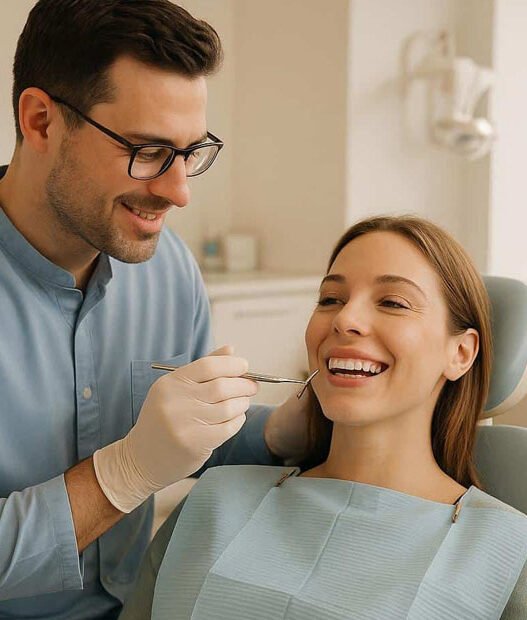

Your family’s smile reflects daily choices. Food, sleep, stress, and movement all leave marks on teeth and gums. Poor habits cause quiet damage. Strong habits protect. Lifestyle and nutrition counseling help you see these links with clear eyes. You learn how sugar, packaged snacks, and constant sipping weaken enamel. You understand how water, whole foods, and steady routines support healing. This guidance does not judge you. It gives you tools. It also respects real life. Busy schedules, tight budgets, and picky eaters. Your dental team can work through these with you. A dental office in Anchorage can look at your family’s health, your culture, and your routines. Then it can shape a plan that fits your home. As you adjust your lifestyle, you protect your children from pain and costly treatment. You also build daily habits that keep every smile in your home steady and strong.
How Everyday Habits Shape Your Child’s Teeth
Tooth decay does not start in the chair. It starts in the kitchen, the lunchbox, and the couch. Every snack, drink, and late bedtime changes what happens in your child’s mouth. You may see only a small spot. The real story begins years before.
Three daily habits cause most problems.
- Frequent sugar and starch
- Dry mouth from poor hydration or some medicines
- Late or rushed brushing and flossing
Each one feeds harmful bacteria. These bacteria make acid that eats enamel. Over time, this creates cavities and gum swelling. Early changes are silent. Your child feels fine. Then one day there is a sharp ache, a broken tooth, or an infection.
Nutrition and lifestyle counseling stop this slow slide. You and your child see cause and effect. You gain clear steps that match your home life.
Why Food Choices Matter More Than You Think
What your child eats matters. How often they eat matters even more. Constant snacking keeps acid levels high. Teeth never get a break. Even “healthy” snacks can hurt if they hit teeth all day.
The table below shows how common choices affect teeth.
| Habit or Food | Effect On Teeth | Simple Swap
|
| Sticky fruit snacks or gummies | Cling to grooves. Feed bacteria for hours. | Fresh fruit pieces with water |
| Sugary drinks between meals | Repeated acid attacks. Weaker enamel. | Plain water or milk with meals only |
| Crackers and chips all afternoon | Starch turns to sugar. Sticks between teeth. | Nuts, cheese, or cut veggies at set snack times |
| Sports drinks during screen time | High sugar and acid. Long contact with teeth. | Water before and after play |
| Dessert every night | Extra sugar load before bed. | Limit sweets to one or two days each week |
You do not need a perfect diet. You need steady patterns. Set meal times. Limited snacks. Water as the default drink. These three shifts cut risk more than any fancy product.
Counseling Turns Stress Into Clear Steps
Parents face real pressure. Long workdays. Child care gaps. Food costs. You may know what your child should eat. You may not see how to get there. That gap causes guilt and stress.
Lifestyle and nutrition counseling narrows that gap. It does three things.
- Maps your current routine without blame
- Finds one or two high-impact changes
- Builds a plan you can test for a short time
You might start with bedtime brushing for every child. You might cut juice to one small cup with breakfast. You might add a water bottle to your child’s backpack. The steps stay small. The effect over months is large.
Guidance from your dental team also helps you read food labels. You learn other names for sugar. You see how many snacks hold more sugar than soda. That knowledge gives you power at the store shelf.
Sleep, Stress, and Movement Also Show In The Mouth
Teeth and gums show more than eating. Poor sleep and high stress can lead to teeth grinding. This can chip or crack teeth. It can also cause jaw pain and headaches. Children may not tell you. You might see worn edges, cheek biting, or morning complaints.
Low movement and long screen time link to higher snack use. They also tie to weight gain. Extra weight raises the chance of sleep apnea. That can cause dry mouth and more cavities.
Your dental team can spot these patterns. They may ask about snoring, mouth breathing, and daytime sleepiness. They may suggest a talk with your child’s medical provider. Together, they can guide you toward better sleep and more movement. That helps your child’s whole body and their teeth.
The National Institutes of Health offers more details on how diet and lifestyle affect oral health.
How Counseling Supports Different Family Needs
Every home is different. Some families share one car. Some live far from grocery stores. Some care for elders and infants at the same time. One plan will not fit all.
A strong counseling visit respects three truths.
- Your culture shapes food choices.
- Your budget shapes what you can buy.
- Your time shapes what you can cook.
Your dental team can help you keep key parts of your food traditions while guarding your teeth. You might shift sweet drinks to special events. You might serve favorite dishes with more water and crunchy vegetables. You might use canned or frozen produce when fresh food costs too much.
When you feel seen, you are more likely to keep changes. Your child watches you set these limits with care, not fear. That teaches them that health grows from small, steady choices, not from perfection.
Turning Today’s Choices Into Tomorrow’s Strong Smiles
Strong family smiles do not come from one visit. They come from a chain of simple actions.
- Offer water more than any other drink.
- Keep snacks to planned times.
- Brush with fluoride toothpaste two times each day.
Then add one more layer.
- Use dental visits to ask clear questions about food and routines.
- Set one small goal after each visit.
- Check in as a family once a week on how it is going.
These steps protect your child from pain, missed school, and fear of the chair. They also guard your budget from large treatment costs. With honest counseling and steady habits, you give your family more than clean teeth. You give them comfort when they eat, speak, and smile.