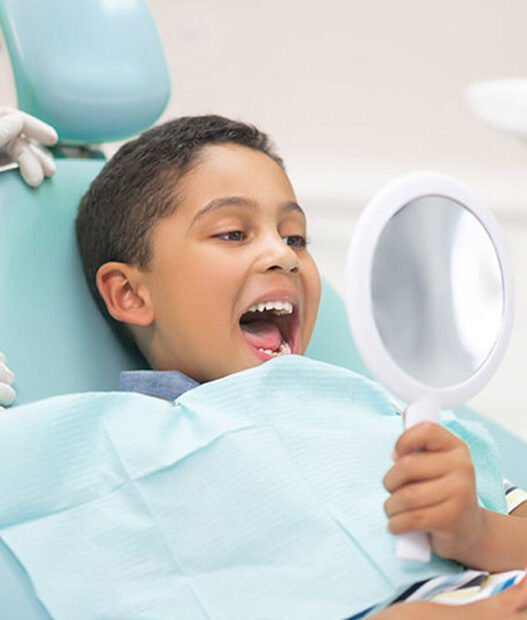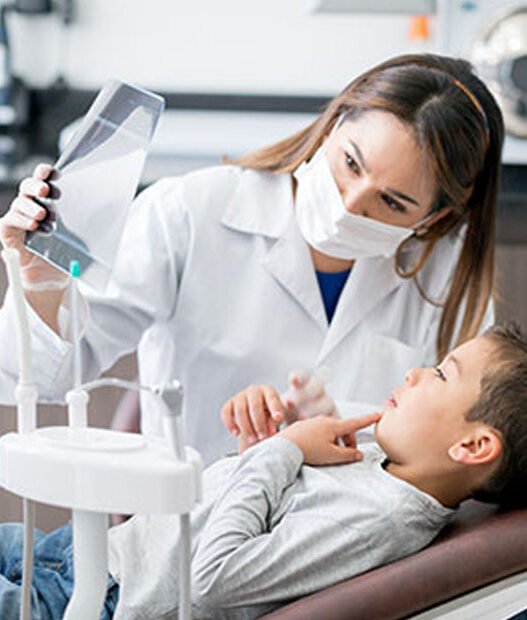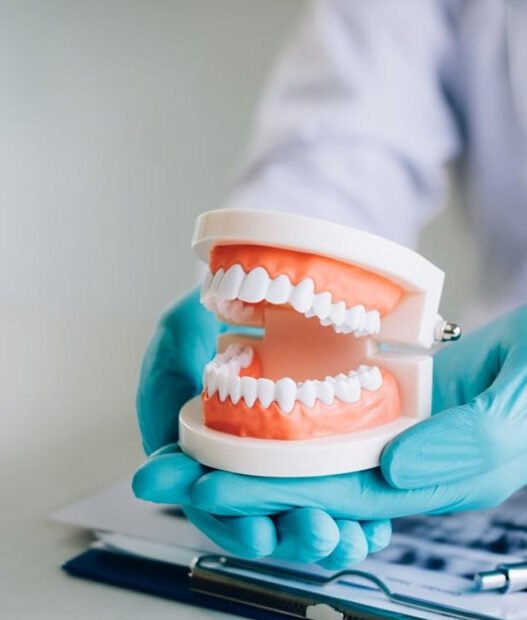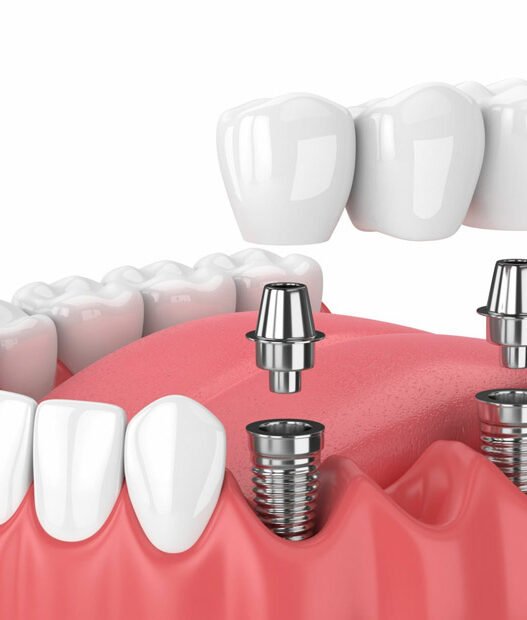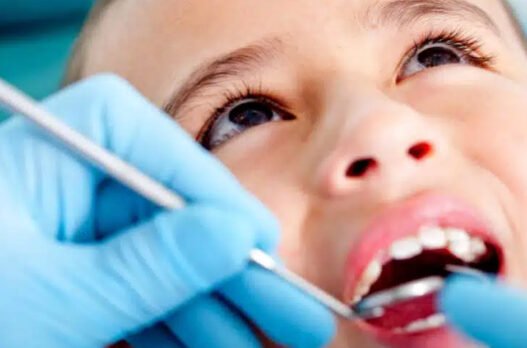
Healthy childhood development starts in the mouth. Teeth, gums, and jaws shape how your child eats, speaks, and smiles. Early visits to a general dentist protect those parts during the fastest stages of growth. A trusted dentist in West Chester, OH watches for small problems before they disrupt sleep, school, or play. Early cavities, bite issues, and mouth pain can affect focus, mood, and confidence. Regular checkups give your child steady support. They also give you clear guidance on brushing, diet, and habits like thumb sucking. Each visit builds comfort in the chair and reduces fear. That calm carries into teen years and adulthood. General dentistry does more than fix teeth. It guards breathing, speech, and self-image during key growth stages. When you treat oral health as part of your child’s development, you protect their body, mind, and social life all at once.
Why early dental visits matter for growth
Childhood growth moves fast. Teeth come in. Jaws widen. Speech patterns form. General dentistry tracks these changes and keeps them on course.
Routine exams help you:
- Spot tooth decay before it spreads
- Catch bite and jaw problems while bones still grow
- Prevent infections that can affect eating and sleep
The Centers for Disease Control and Prevention explains that tooth decay is one of the most common chronic conditions in children. You can review data on childhood cavities on the CDC children’s oral health page. Early care blocks this pattern and protects your child’s daily life.
How oral health shapes eating and growth
Teeth and jaws guide how your child bites, chews, and swallows. Pain or missing teeth can cause your child to avoid some foods. That pattern can reduce key nutrients and affect growth.
During checkups, a general dentist will:
- Check for pain when your child bites or chews
- Look for worn or fractured teeth that signal grinding
- Review tongue and lip movement that affects chewing
Next, you get clear steps. You may adjust snacks, cut back on sugary drinks, or shift to water between meals. You may also learn how to time brushing after meals. Simple changes protect teeth and support strong bodies.
Speech, learning, and confidence
Front teeth and jaw position affect how your child forms sounds. Missing teeth, large cavities, or crowded teeth can change speech. Children may feel shame or avoid speaking in class.
General dentistry supports speech and learning by:
- Keeping teeth in place so sounds form clearly
- Reducing pain that distracts from reading and writing
- Improving smile appearance, which lifts self-respect
The National Institute of Dental and Craniofacial Research notes links between oral health and school performance. You can explore these links on the NIDCR children’s oral health statistics page. Healthy mouths help children focus on learning instead of pain.
Key milestones and dental care needs
| Age range | Typical mouth changes | General dentistry focus
|
| Birth to 2 years | First teeth appear. Eating shifts from milk to solid food. | First visit by age 1. Guidance on brushing, fluoride, and bottle use. |
| 3 to 5 years | Full set of baby teeth. Speech patterns grow. | Check for cavities. Monitor thumb sucking and pacifier use. Teach brushing. |
| 6 to 8 years | First permanent teeth. Baby teeth start to loosen and fall out. | Protect new molars with sealants. Watch bite and jaw growth. Review snacks. |
| 9 to 12 years | More permanent teeth. Face and jaw shape change. | Check crowding. Plan for braces if needed. Support sports mouthguards. |
| 13 to 18 years | Adult teeth set. Wisdom teeth may start to form. | Reinforce daily care. Review wisdom teeth. Address grinding and stress. |
Prevention that protects childhood
General dentistry centers on prevention. Your child avoids pain and urgent visits. You gain steady routines.
Core prevention tools include:
- Fluoride treatments that strengthen tooth enamel
- Sealants on back teeth to block food from deep grooves
- Cleanings that remove plaque and hardened tartar
Regular visits also give space to reset habits. You can talk about sports drinks, juice boxes, and late-night snacks. Then you can replace them with water, milk, and fruit. These choices reduce decay and protect energy and mood.
Behavior, sleep, and mouth health
Mouth problems often show up as behavior changes. A child may act angry, clingy, or restless. They may wake often at night or grind their teeth.
A general dentist can look for:
- Cavities that cause severe pain when lying down
- Jaw tension from clenching or grinding
- Signs of mouth breathing that can affect sleep
Treatment can calm nerves and improve sleep. A child who rests well can handle school demands and social stress with more strength.
Building trust and lifelong habits
Each visit shapes how your child feels about health care. Calm, steady visits grow trust. Your child learns that questions are welcome and that pain has answers.
You can support this by:
- Using simple, honest words about what to expect
- Bringing comfort items like a small toy or book
- Staying consistent with appointments even when teeth seem fine
Over time, your child sees dental visits as a normal part of life. That attitude carries into adulthood and lowers the risk of severe disease later.
Your role as a parent or caregiver
General dentistry works best when you stay involved. You manage daily care at home. The dentist guides you with clear steps tailored to your child.
Focus on three daily habits:
- Help with brushing twice a day using fluoride toothpaste
- Limit sugary drinks and sticky snacks between meals
- Watch for mouth pain, bleeding gums, or broken teeth
Prompt action gives your child quick relief. It also shows your child that their health matters. That message builds strong self-worth and steady development.