You want dental implants that last. First, your gums must be strong and free of infection. Many people skip this step and face pain, bone loss, and failed implants later. This blog shares 3 clear signs you may need periodontal care before implants. You learn what bleeding gums really mean. You see why loose teeth point to deeper problems. You understand how bad breath and gum soreness can signal hidden bone loss. Each sign gives you a chance to act early and protect your health. You also see how Albuquerque periodontal and implant specialists check your gums, clean infected pockets, and rebuild lost bone when needed. That way, your implant has a solid base. You deserve clear facts and honest guidance. You can use this information to ask sharper questions and plan treatment that protects you for the long term.
Why healthy gums matter before implants
Dental implants replace missing teeth. They do not fix unhealthy gums. If the infection stays in your mouth, it can attack the bone around your new implant. That raises the risk of pain, swelling, and implant loss.
The Centers for Disease Control and Prevention reports that almost half of adults over 30 show signs of gum disease. You are not alone if you notice bleeding or soreness. Early care protects your jaw and your heart health.
Before any implant, your dentist or periodontist should check three things.
- Your gums
- Your bone support
- Your daily cleaning habits
The three signs below help you see what they look for and why it matters.
Sign 1: Your gums bleed or look swollen
Gums should not bleed when you brush, floss, or chew. Even a small streak of blood is a warning. Swollen or tender gums are another sign that infection may be present.
Pay close attention if you notice any of these.
- Pink or red on your toothbrush
- Blood in the sink after brushing
- Gums that look puffy or feel sore
These signs often mean plaque and bacteria sit under the gumline. If you ignore this, the infection can move deeper into the bone that holds your implant.
With periodontal care, your provider can clean under the gums and remove hardened plaque. They may suggest changes in brushing and flossing. They might also plan follow-up visits to track healing. This care creates a cleaner and more stable place for an implant.
Sign 2: Your teeth feel loose, or your bite has changed
Teeth should feel firm. They should not wiggle. They should meet the same way each day when you bite down. Loose teeth often mean bone is breaking down under the gums.
Look for these changes.
- A tooth that moves when you push it with your tongue
- Spaces that seem to appear between teeth
- Top and bottom teeth that no longer fit together the same way
These signs can show that gum disease has already damaged the bone. If bone loss continues, there may not be enough support to hold an implant. A periodontist can measure the pockets around your teeth and check bone levels with X-rays. They may need to treat infection and sometimes rebuild bone.
The National Institute of Dental and Craniofacial Research explains how gum disease can destroy bone over time. Understanding this helps you see why timing matters before you place any implant.
Sign 3: You have constant bad breath or gum soreness
Many people blame food for bad breath. Often, the true cause is bacteria under the gums. If you brush and floss and still notice a strong odor, an infection may be present. Gum soreness that comes and goes can be another hidden sign.
Watch for these patterns.
- Bad breath that stays even after brushing
- A bad taste in your mouth during the day
- Gums that ache when you chew or touch them
These problems can mean deep pockets around the teeth. Bacteria can grow in these pockets and attack the bone. If an implant is placed in this setting, the same bacteria can infect the implant site. Periodontal care aims to reduce these pockets and control bacteria before any surgery.
How periodontal care supports implant success
Periodontal care before implants gives you three clear benefits.
- Cleaner and stronger gums
- Better bone support
- Lower risk of implant failure
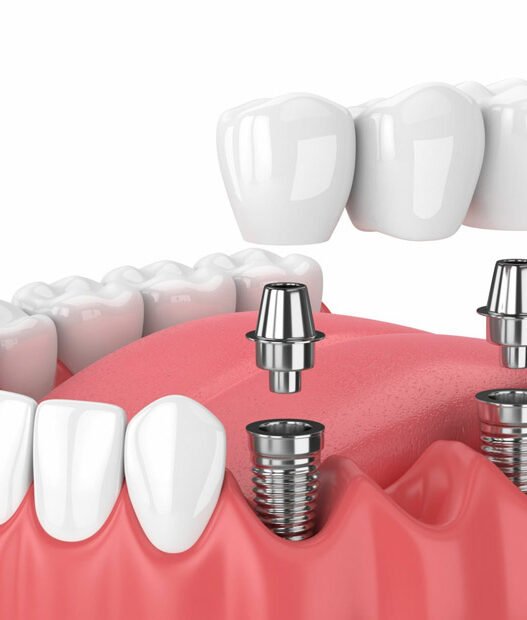
Your provider may suggest deep cleaning, gum treatment, or bone grafting. They may also adjust your daily care routine. Each step focuses on removing infection and building a firm base for the implant screw.
Comparison: Implants with and without periodontal care
| Factor | With periodontal care first | Without periodontal care first
|
| Gum health at time of implant | Gums are cleaner and less inflamed | Gums may bleed and stay swollen |
| Bone support | Bone checked and treated if weak | Hidden bone loss may stay untreated |
| Risk of infection after surgery | Lower because bacteria are reduced | Higher because bacteria remain in pockets |
| Long term implant stability | Higher chance of strong, lasting support | Higher chance of loosening or failure |
| Need for future repair | Often fewer problems over time | May need more treatment and cost |
When to talk with a periodontal and implant specialist
You should seek a periodontal check before implants if you notice any of these three signs.
- Bleeding or swollen gums
- Loose teeth or a shifting bite
- Constant bad breath or gum soreness
Bring a list of your symptoms. Share how long they have been present. Ask clear questions.
- Is there any infection in my gums
- Has any bone been lost around my teeth
- What treatment do you recommend before an implant
Strong gums give your implant a real chance to last. Care now can spare you pain and cost later. You deserve a mouth that feels steady and clean when you smile, speak, and eat.