Choosing a family dentist is a serious decision. You trust this person with your child’s first cleaning, your partner’s tooth pain, and your own long nights of worry. The wrong choice can lead to rushed visits, missed problems, and costly fixes later. The right choice offers clear answers, steady care, and peace of mind. You may wonder if you need a simple checkup or a dental implant in San Jose. You may worry about cost, fear, or past bad visits. These questions are common. They deserve clear guidance. This guide walks you through six hard questions to ask before you commit. Each question helps you protect your health, your time, and your money. You will learn how to judge trust, skill, and honesty. You will feel ready to say yes or no to a dentist with confidence, not guesswork.
1. How does the dentist handle emergencies and urgent pain?
Dental pain can hit at night, on a weekend, or during a holiday. You need clear rules, not guesswork.
Ask these questions:
- Who do you call after hours if you have severe pain
- How fast can the office see you when a tooth breaks
- Does the office share a plan for urgent care in writing?
The American Dental Association explains that untreated problems can spread and cause more serious health issues. Quick care limits damage. Clear emergency plans show respect for your safety.
2. What services does the office provide for your whole family
One office should meet most of your family’s needs. That saves time and reduces stress for children and older adults.
Ask what the dentist offers for three groups:
- Cleanings, sealants, fluoride, simple fillings
- Crowns, root canals, gum care
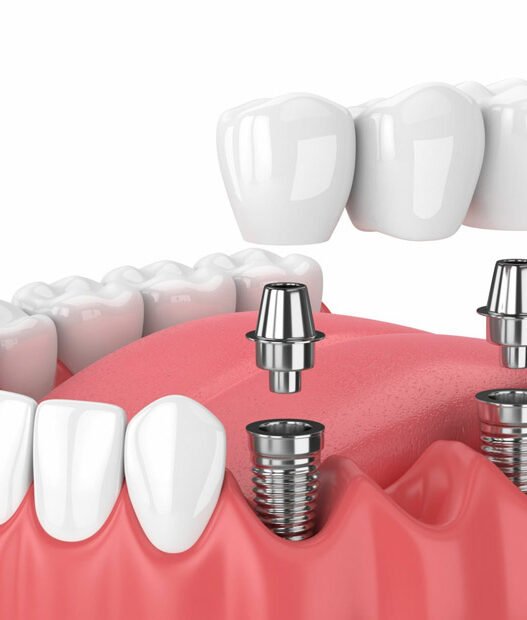
- Older adults. Dentures, implants, dry mouth support
Then ask how the dentist decides when to treat in the office and when to refer you to a specialist. You want clear limits. You also want easy access to trusted partners for complex surgery or advanced gum care.
3. How does the office prevent disease, not just fix damage
A strong family dentist focuses on prevention. Repair alone is not enough. Prevention protects your health and saves money.
Ask the dentist to explain three things in plain language:
- How often you and your children should get cleanings
- What they do to track early gum disease and decay
- What they teach about brushing, flossing, and diet
The Centers for Disease Control and Prevention share clear steps to protect teeth at home and during visits. You can review the CDC oral health fast facts to prepare your questions. A dentist who talks openly about prevention shows concern for your long-term health, not only for procedures.
4. How clear and honest is the cost and insurance process
Money stress can stop people from getting care. You deserve clear numbers before anyone starts treatment.
Ask the office staff:
- Do you give written estimates before treatment
- Do you explain what insurance covers and what it does not cover
- Do you offer payment plans for large treatments
Next, ask how they handle surprise changes. For example, what happens if the dentist finds a bigger cavity during a filling? A trustworthy office pauses, explains new options, and shares updated costs before moving forward.
5. How does the dentist handle fear, children, and past trauma
Many people carry fear from past painful visits. Children often copy a parent’s fear. A family dentist must respond with patience and clear steps.
Ask the dentist to describe how they help three types of patients:
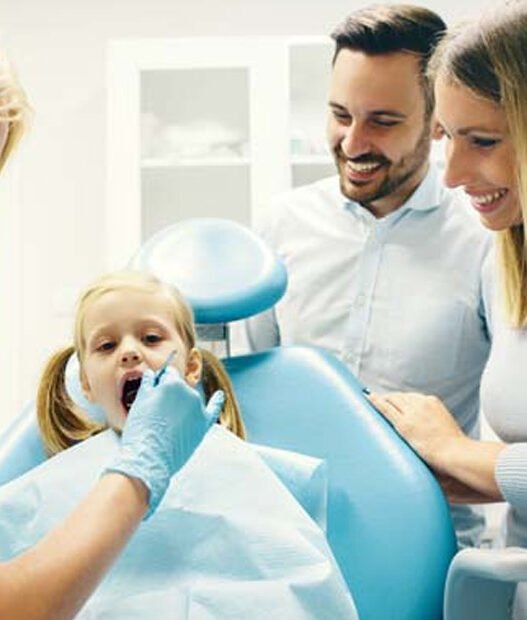
- A small child during a first cleaning
- An adult who has not seen a dentist in many years
- A person who feels strong fear in the chair
Listen for specific actions. You want to hear about short visits for children, simple language, breaks during treatment, and options for comfort. You also want respect. No shaming. No blame for missed visits. Only clear next steps.
6. What do you notice about communication and trust
Your first visit tells you a lot. Pay close attention to how the office treats you from the first call through the end of the appointment.
Watch for three signals of respect:
- Staff greet you by name and explain wait times
- The dentist sits at eye level and listens to your concerns
- You receive clear instructions in writing before you leave
Trust grows when words match actions. You should feel safe to ask any question. You should never feel rushed or brushed aside.
Simple comparison checklist for choosing a family dentist
You can use this table to compare two or three offices after first visits or phone calls.
| Question | Office A | Office B | Office C
|
| Clear emergency plan and after-hours contact | |||
| Services for children, adults, and older adults in one location | |||
| Strong focus on prevention and education | |||
| Written cost estimates and clear insurance help | |||
| Support for fear, children, and past trauma | |||
| Respectful communication and enough time for questions |
Putting it all together
You do not need to guess. You can ask hard questions. You can compare answers. You can trust what you see and feel during a first visit.
When a dentist offers clear emergency plans, broad services, prevention, honest costs, trauma-aware care, and patient communication, you can move forward with confidence. Your choice protects your family’s health today and in the years ahead.