Losing a tooth shakes your sense of control. You worry about your smile, your bite, and how others see you. Immediate implants offer a different path. You can often leave the chair with a secure tooth on the same day the damaged one comes out. That speed is changing expectations and habits. Patients want less time off work. They want fewer visits. They want less waiting with a gap in their smile. Dentists see this shift too. Some still prefer a slower approach. Others now use tools that cut guesswork and shorten healing time. You may even Surprise prosthodontist who once thought same day implants were only for rare cases. This blog explains why immediate implants keep gaining trust, what you can expect during treatment, and how to decide if this option fits your mouth and your life.
What Immediate Implants Mean For You
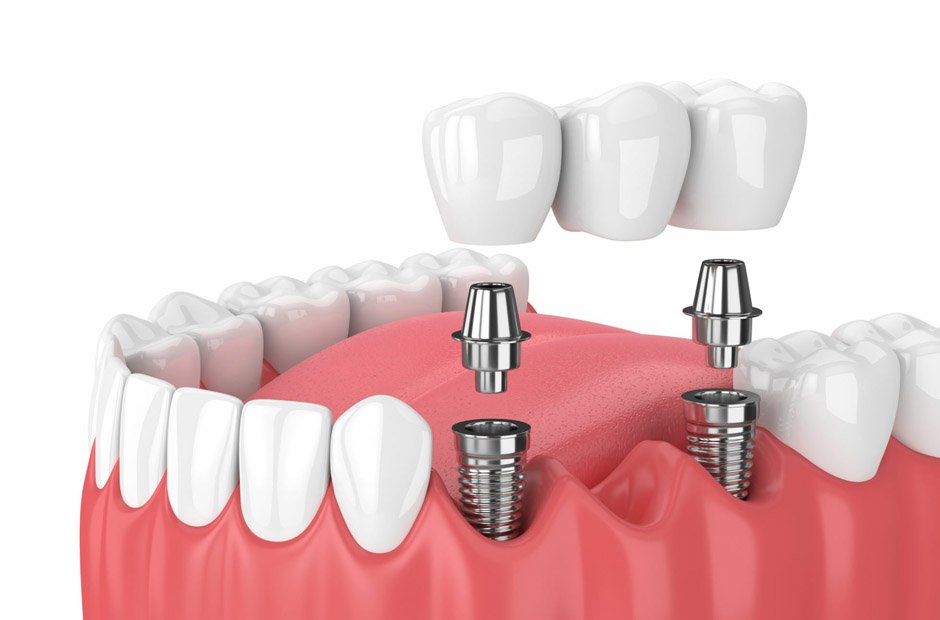
An immediate implant goes in right after a tooth comes out. You leave with a screw in the bone and a tooth on top. The tooth on top may be a short term crown or a long term crown. Your team explains which one you get.
This approach offers three clear gains.
- You keep a full smile during healing.
- You cut the number of visits.
- You protect the bone in the jaw where the tooth was.
The National Institute of Dental and Craniofacial Research explains that missing teeth can lead to bone loss and bite changes. That slow change in bone shape affects your face and your comfort. An implant helps keep that bone active.
Why More People Ask For Same Day Options
Life feels packed. You juggle work, school, kids, and older parents. You want care that fits your routine, not the other way around. Immediate implants answer that need.
Three reasons stand out.
- Time pressure. Fewer visits mean less time in a chair and less time away from work or home.
- Social pressure. Many people fear a front tooth gap. Same day teeth soften that blow.
- Cost control. One surgery visit and fewer follow-up visits can lower some costs like travel, child care, or unpaid leave.
Many people also like the sense of fast action. You walk in with a broken tooth. You walk out with a plan in place and a tooth in view. That quick shift offers comfort during a rough day.
How Immediate Implants Compare To Traditional Implants
Both choices aim for the same end result. You get a tooth that stays put and lets you chew. The main difference is timing. The table below shows the contrast in plain terms.
| Feature | Immediate Implant | Traditional Implant
|
| When implant is placed | Same visit as tooth removal | Months after tooth removal |
| Gap in smile after removal | Often none | Gap or removable tooth during wait |
| Number of surgery visits | One main surgery visit | Two or more surgery visits |
| Usual total treatment time | Several months | Several months to a year |
| Care between visits | Implant and crown in place from day one | Site heals empty or with a removable tooth |
| Who may qualify | Healthy bone and gums with stable bite | Wider range. Even after long tooth loss |
The American Dental Association gives clear information on implants and tooth replacement choices. You can review that at ADA MouthHealthy on dental implants. Use that as a base, then talk with your dentist about what fits your mouth.
New Tools That Support Same Day Choices
Immediate implants are not a guess. Your team uses tools that raise safety and control.
- 3D scans. Cone beam scans show bone height, width, and nerve paths.
- Guided surgery plans. Digital guides help place the implant at the right angle and depth.
- Improved implant shapes. New shapes help the screw grip the bone firmly so it can hold a tooth from day one.
These changes cut the risk of poor placement. They help your dentist judge if your bone can hold an implant right away or if you need time to heal first.
Who Is A Good Candidate
Immediate implants are not for every person or every tooth. Your dentist or specialist checks three main points.
- Your health. You share your medical history and any drugs you take. Conditions like poorly controlled diabetes or heavy smoking raise risk.
- Your mouth. Your gums must be free from strong infection. Your bite should not hit the new tooth too hard.
- Your bone. You need enough strong bone to hold the implant tight from day one.
You also need clear goals. You must follow the cleaning steps and attend all checks. You work as part of the team. That shared effort protects the implant during the early months when bone grows around the screw.
What To Expect During And After The Visit
The process follows a clear order.
- Planning visit with exam, x rays, and often a 3D scan.
- Tooth removal and implant placement during one visit.
- Placement of a crown or short-term tooth on the implant.
- Healing period with careful chewing on the other side of your mouth.
- Final crown check and bite adjustment.
After the visit, you may feel swelling, soreness, or mild bleeding. Your team gives clear steps. You may need soft food, gentle brushing near the site, and rinse instructions. You contact the office if you feel severe pain, heavy bleeding, or loose parts.
How To Talk With Your Dentist About This Choice
You deserve clear answers. You can bring these questions to your visit.
- Is an immediate implant safe for my tooth and my health?
- What are the risks if we place the implant right away?
- What happens if the implant cannot stay, and how often does that occur in your office?
- How many immediate implants do you place each year?
- What will I look like and feel like the same day and one week later?
You also ask about cost. Insurance plans treat implants in many different ways. Some give no help. Others cover part of the work. Your office can give a written plan with codes so you can call your plan and confirm.
Moving Forward With Clear Eyes
Tooth loss can stir fear and shame. You may feel alone. You are not alone. Many people face this same shock. Immediate implants give one more choice that protects your smile and your sense of self.
You do not need a perfect mouth to ask about this. You only need clear information and a care team you trust. Use trusted sources, ask direct questions, and take the time you need before you say yes. That calm, steady approach protects your health and your future bite.