Key Takeaways
- Integration of smart technologies and materials is revolutionizing bridge and road construction.
- Sustainable practices are becoming the standard for meeting environmental and economic goals.
- Innovative design approaches are improving the longevity and functionality of infrastructure.
Modern infrastructure is witnessing a new era defined by technological breakthroughs, sustainable solutions, and advanced engineering practices. Bridge and road construction projects are leveraging smart technologies and materials that accelerate building processes, improve durability, and reduce environmental impacts. Construction leaders who adopt these innovations not only improve efficiency but also enhance long-term value and community resilience. To see real-world examples of these techniques in practice, explore Tutor Perini Bridges & Roads, which showcases high-profile infrastructure projects executed with pioneering methods.
The sector’s evolution goes beyond just materials and methods. It now encompasses the integration of digital tools, prefabrication, and green initiatives. Today’s bridges and roads are expected to withstand harsh conditions, provide safe passage, and even respond dynamically to traffic and environmental demands, setting new standards for public infrastructure worldwide.
Smart Technologies in Infrastructure
Smart technologies are dramatically transforming the construction and maintenance landscape for bridges and roads. Embedded sensor systems enable real-time capture of structural health data, including stress, temperature changes, and vibration levels. This data-driven approach helps predict wear and tear, enabling targeted preventive maintenance, reduced downtime, and extended lifespans for critical structures. For example, NASA’s use of satellite-based radar data enables remote monitoring of U.S. bridges, detecting minute shifts of a few millimeters and helping prevent structural failures before they occur. This demonstrates a new model of infrastructure management that is safer, more cost-effective, and less reliant on manual inspections.
Sustainable Materials and Practices
The building sector’s focus on sustainability has led to the rapid adoption of alternative materials and eco-conscious construction methods. High-performance concrete mixes, along with recycled materials such as crushed glass and reclaimed asphalt pavement, are reducing new construction’s carbon footprint. Additionally, Glass Fiber Reinforced Polymer (GFRP) is replacing traditional steel in harsh environments due to its lightweight properties and resistance to corrosion and chemical degradation. By incorporating these sustainable materials, project developers can achieve longer-lasting results while minimizing resource use and environmental impact.
Innovative Design Approaches
Unique structural and architectural concepts are transforming the way we design bridges and roads. Tactics such as self-anchored suspension systems and cable-stayed bridges with offset pylons are being adopted for both their efficiency and their striking visual profiles. These new approaches not only challenge what is structurally possible but also enrich the cultural and aesthetic value of infrastructure. Engineers are collaborating more closely with architects, urban planners, and landscape designers to create roads and bridges that are both practical and serve as landmarks.
Prefabrication and Modular Construction
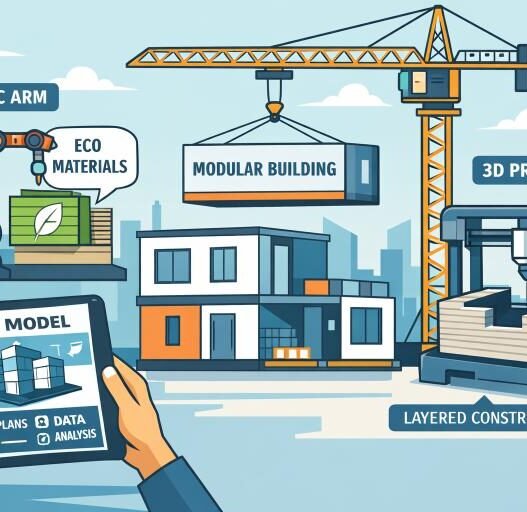
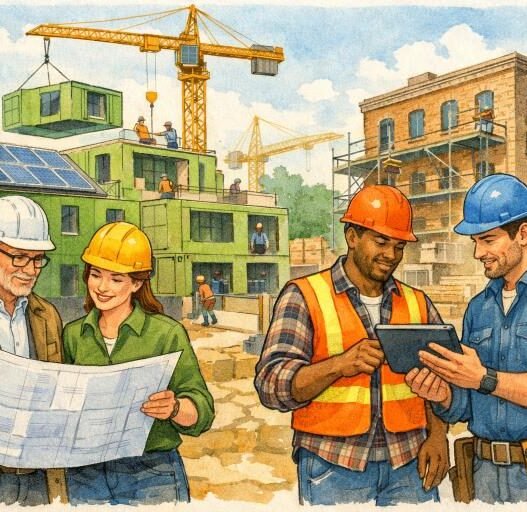
Modular construction and prefabrication are becoming the new norm in infrastructure projects. By assembling major components in controlled off-site environments, construction teams can boost efficiency and reduce on-site labor costs. This process achieves not only faster project delivery but also a consistent, high-quality product. Prefabrication is especially valuable in urban or environmentally sensitive locations, as it reduces project impact, inconvenience to surrounding communities, and construction-related emissions. These methods are being widely adopted for both new builds and the rapid replacement of aging infrastructure.
Enhancing Durability with Advanced Materials
The longevity of bridges and roads mainly depends on the materials chosen. The increased use of advanced composites, such as carbon fiber, is greatly enhancing structural performance. High-performance concrete with engineered additives can better resist cycles of freezing and thawing and de-icing salts, making it suitable for climate-sensitive areas. These improvements lower the need for frequent repairs and prolong the lifespan of bridges and roads, ultimately providing better value for public spending.
Climate-Resilient Infrastructure
Infrastructure must increasingly be designed to withstand severe climate events such as flooding, heat waves, and hurricanes. Adaptive construction strategies now consider climate modeling, hydrological risks, and futureproofing elements during the design stage. This ensures that new projects are as resilient as possible in the face of growing climate volatility. Materials chosen often have higher resistance to water ingress and UV damage, while designs focus on flexibility and rapid recovery to minimize disruption.
Integration of Electric Vehicle Infrastructure
The transition to electric vehicles (EVs) is prompting road designers to rethink how to support electrified transport. Modern highway and arterial road projects now include charging stations and even experimental in-road charging technology that can power vehicles as they drive. Integrating EV infrastructure not only supports green mobility goals but also aligns modern roads with the evolving needs of both commuters and freight carriers. This integration positions cities and regions to accommodate future transportation trends while supporting efforts to reduce greenhouse emissions from traditional vehicles.
Conclusion
The landscape of bridge and road construction is evolving rapidly. Emerging technologies, innovative materials, and greener approaches are redefining what infrastructure means for our society. These modern trends are not only enhancing project efficiency and safety but are forging a more sustainable and resilient future for transportation networks worldwide.