Teen years can feel harsh. Your child starts to notice every crooked tooth and every stain in the mirror. You see the hurt, even when they stay quiet. Cosmetic dental treatments can ease that stress. You do not chase perfection. You want a natural, healthy smile that helps your teen feel steady at school, in photos, and in daily life. Many parents and teens now choose simple treatments that are safe, fast, and common. A trusted Commack, NY dental clinic can guide you through options that match your child’s needs and your budget. This blog explains five treatments parents ask about most. You will see what each one does, how long it takes, and what your teen can expect. You will also learn what questions to ask before you agree to any work. That way you stay in control.
1. Professional Teeth Whitening
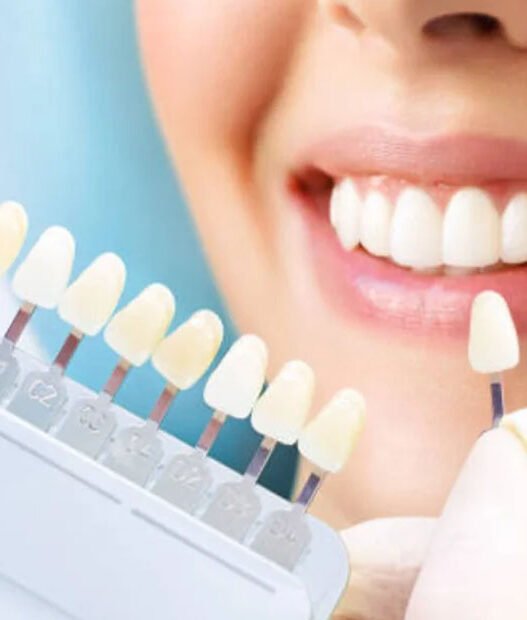
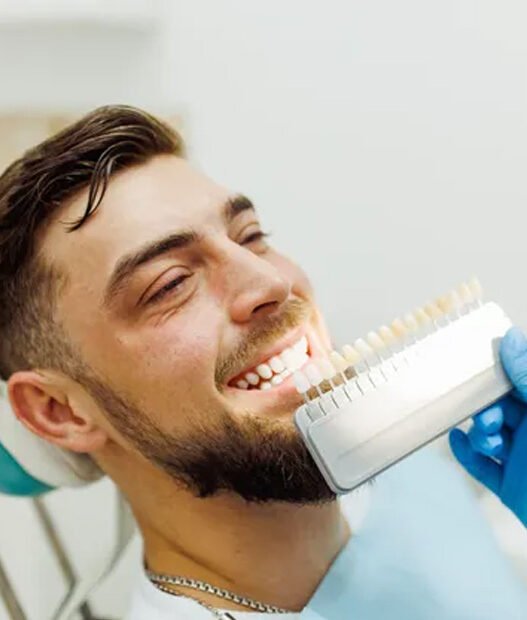
Stains from soda, sports drinks, and food can build up fast. Your teen may feel ashamed of yellow or dark teeth. Professional whitening can lift many of those stains in a short time.
Here is what you need to know.
- Purpose. Lighten stains on the surface of the teeth.
- Process. The dentist applies a whitening gel. A light may help speed the change. Another choice is custom trays for use at home under guidance.
- Time. In office care often takes about one hour. At home trays may need daily use for one to two weeks.
- Feel. Teeth may feel sensitive for a short time. That feeling usually fades.
The National Institute of Dental and Craniofacial Research explains how enamel and decay work. That helps you see why stain care should stay gentle. Ask the dentist to check for weak enamel or cavities before any whitening. That protects your teen from pain and harm.
2. Clear Aligners And Braces For Straighter Teeth
Many teens feel judged for crooked teeth. Straightening can help with chewing and cleaning. It can also help your child feel less guarded when they smile.
Common choices include clear aligners and metal or ceramic braces.
- Clear aligners. Removable plastic trays. You change them on a set schedule.
- Braces. Brackets and wires fixed to the teeth. The dentist or orthodontist tightens them over time.
Key points for parents.
- Aligners need strong daily habits. Your teen must wear them most of the day and keep them clean.
- Braces stay on the teeth. Your teen does not lose them. Cleaning needs more care.
- Both choices can take one to three years. That depends on how complex the bite is.
The American Dental Association shares research on orthodontic treatment. You can use that to ask clear questions about need, length, and cost.
3. Dental Bonding For Chips And Gaps
A small chip from sports or a fall can feel huge to a teen. A tiny gap can feel like the only thing people see. Dental bonding can repair many small flaws in one visit.
Here is how bonding works.
- The dentist roughens the tooth surface.
- Then the dentist places a tooth colored resin on the tooth.
- Next, a light hardens the resin.
- Last the dentist shapes and polishes it to match nearby teeth.
You can use bonding to fix:
- Small chips.
- Short teeth.
- Minor gaps.
- Stains that whitening cannot lift.
Bonding costs less than veneers. It also removes less natural tooth. It can stain over time and may need repair after some years. Still it often gives a strong boost to a teen who hides their smile.
4. Veneers For A More Even Smile
Some teens have many worn, stained, or uneven front teeth. In those cases, veneers may help. Veneers are thin shells that cover the front of teeth.
Here is what to weigh.
- Veneers often need more than one visit.
- The dentist may need to remove a small layer of enamel.
- Veneers can change the shape, size, and color of teeth in a clear way.
- They usually last longer than bonding if your teen cares for them.
Because veneers often mean permanent change, you should move with care for teens. Growth, grinding, and sports injuries can affect them. Ask about age, jaw growth, and safe sports gear. Ask if bonding or aligners might solve the main concern first. That way, you reserve veneers for cases that truly need them.
5. Enamel Shaping And Contouring
Sometimes a tiny change can calm a large worry. Enamel shaping removes small amounts of enamel to smooth sharp edges or slightly reshape teeth.
Here is what this treatment can do.
- Even out one tooth that looks longer than the rest.
- Soften pointy teeth that look harsh.
- Smooth minor cracks or chips.
This treatment often takes one short visit. It does not use shots. It can only fix small shape issues. It cannot fix deep cracks, large chips, or big gaps. You should ask the dentist how much enamel they plan to remove. Enamel does not grow back. You want the least change that still helps your teen feel at ease.
Quick Comparison Of Common Cosmetic Treatments
| Treatment | Main goal | Typical time | Common use for teens
|
| Professional whitening | Lighten stained teeth | One visit or 1 to 2 weeks at home | Stains from food and drinks |
| Clear aligners or braces | Straighten teeth and improve bite | 1 to 3 years | Crowding, gaps, bite problems |
| Dental bonding | Repair small chips and gaps | One visit | Front tooth chips or small gaps |
| Veneers | Change color and shape of front teeth | 2 or more visits | Many worn or stained front teeth |
| Enamel shaping | Smooth and slightly reshape teeth | One visit | Sharp edges or minor uneven teeth |
How To Choose What Is Right For Your Teen
Three steps can keep you steady.
- First. Ask what bothers your teen most. Color, shape, or crowding. Listen without judgment.
- Second. Ask the dentist for at least two options. Include one minimal option.
- Third. Talk about cost, time, and care at home for each choice.
Cosmetic care should never hide pain, cavities, or gum disease. Make sure your teen has a full exam and cleaning first. You can request photos and simple charts so your teen sees what is happening and feels part of each choice.
You protect your child when you ask clear, firm questions. You also give them a chance to feel proud of their smile instead of being trapped by it. That calm strength from you can mean more than any treatment.