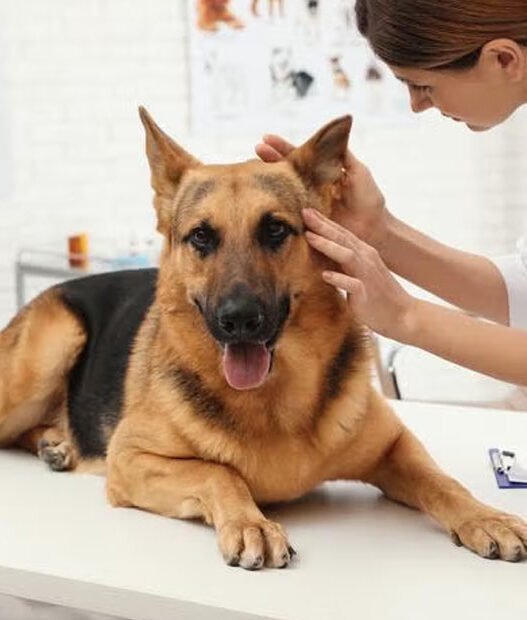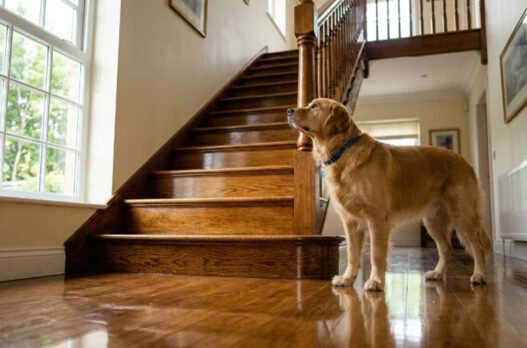
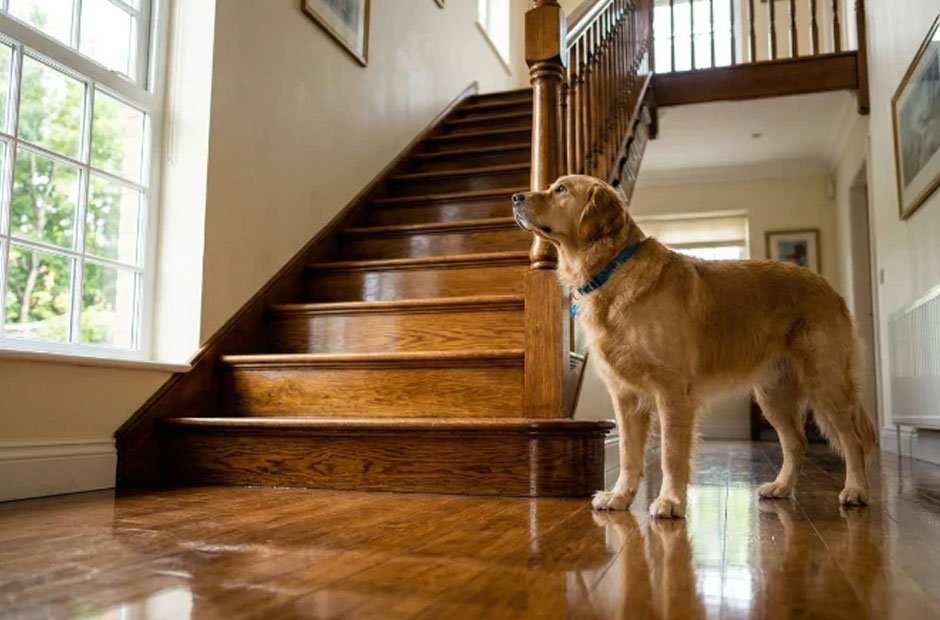
Stairs, smooth floors, and tight spaces turn simple moments into hard work for an aging pet. You see it in slower walks. You hear it in slipped steps on hardwood. You feel it when your pet hesitates at the bottom of the stairs and looks to you for help. Aging does not mean comfort must fade. Instead, you can adjust your condo, your daily schedule, and your expectations so your pet feels safe and steady again. First, you learn what your pet’s body can still handle. Next, you change simple things in your home to cut pain and fear. Then, you shape new routines that match your pet’s limits. If you watch your pet struggle or seem confused, a veterinarian in Chicago Heights, IL can help you sort out pain from normal aging. Your pet gave you years of trust. Now you can return that trust with thoughtful changes.
Spot the early signs of trouble
Senior pets often hide pain. You need to watch for quiet changes. Look for three common signs.
- Hesitation on stairs or at door thresholds
- Sliding or splaying legs on hardwood or tile
- Changes in mood such as clinginess or withdrawal
The National Institute of Arthritis and Musculoskeletal and Skin Diseases explains that joint wear changes how the body moves. The same process can affect your pet. When your pet starts to avoid play, lags behind on walks, or pants during small tasks, you see more than age. You see strain.
Take notes for one week. Record when your pet slips, stumbles, or refuses stairs. This simple record gives you and your veterinarian clear facts to guide changes.
Adapt your condo room by room
You do not need a remodel. You need small shifts that protect weak joints and unsure paws. Start with three key spaces. The entry, the main living space, and the sleep spot.
Entry and hallway
- Place a non-skid rug from the door to the main room
- Use a low, sturdy ramp for any single steps
- Keep shoes, bags, and boxes away from walking paths
Every stumble in a narrow hall can shake your pet’s trust. Clear paths give your pet control and reduce fear.
Main living space
- Layer runners or yoga mats across slick floors
- Block sharp corners on coffee tables with soft covers
- Set food and water bowls on a mat that grips the floor
Next, think about furniture height. If your pet jumps on the couch, add a short ramp or set of steps. Then train your pet to use them with small treats and calm praise. You cut jump impact that can speed joint damage.
Sleep and rest spots
- Use a low bed with firm support so your pet can step in and out
- Place beds away from drafts, doors, and loud windows
- Offer two or three rest spots so your pet can choose comfort
Your pet heals during sleep. A steady sleep spot reduces night pacing and confusion.
Make stairs safer or limit them
Stairs inside condos or to shared spaces can become a daily threat. You have three choices. Make them safer, limit access, or carry smaller pets when needed.
Stair options for senior pets
| Option | Best for | Pros | Limits
|
| Add non slip treads | Pets that still manage stairs with care | Improves grip. Low cost. Quick to install. | Does not fix steep or narrow stairs |
| Use baby gates to block stairs | Pets with clear pain or past falls | Prevents risky climbs. Simple to adjust. | May limit access to favorite rooms |
| Carry or use a ramp beside short stairs | Small pets or those with major joint disease | Removes stair strain. Gives you control. | Hard for large pets. Needs your strength |
Watch for heavy panting, back leg shaking, or stopping mid-stair. These signs mean your pet has reached the limit and needs a new plan.
Adjust daily routines without losing joy
Senior pets still crave purpose. They just need shorter, safer moments. Focus on three parts of the day. Movement, mental challenge, and rest.
Movement
- Replace one long walk with two or three short walks on level ground
- Avoid slick lobbies and crowded elevator waiting spots
- Use a harness that supports the chest and shoulders
If your condo has an elevator, give extra time so you do not rush. Rushing raises fall risk and stress.
Mental challenge
- Offer simple food puzzles that do not slide on hardwood
- Teach one new hand signal or cue each week
- Set short play times with soft toys that do not need fast turns
Senior minds still grow. Calm games cut worry and support brain health. The National Institute on Aging shares that mental tasks help aging brains. Your pet gains similar value from gentle puzzles and new skills.
Rest
- Keep a steady feeding and bedtime schedule
- Dim lights at night and cut loud TV or music near beds
- Offer a short, quiet bathroom trip right before sleep
Senior pets often wake at night. A calm routine can ease that pattern and reduce accidents in the condo.
Reset your expectations with compassion
Grief often hides inside small frustrations. You may miss long hikes or wild games. You may feel trapped by condo limits. It helps to name three truths.
- Your pet’s needs changed. Your bond did not.
- Slow days can still hold deep joy.
- Asking for help shows strength, not failure.
Plan what your pet can still enjoy. Short sniff walks. Window watching. Quiet grooming. These moments still feed your pet’s sense of worth.
Work with your veterinarian as a partner
Home changes work best when they match medical care. Bring photos or short videos of your pet on stairs and hardwood to your next visit. Ask three clear questions.
- What pain control options fit my pet’s health
- Which movements should we avoid or limit
- How often should we recheck strength and balance
Then review weight, joint support supplements, and simple home physical therapy. A gentle range of motion work or slow leash walks in halls can help. Your veterinarian can show you safe methods and set limits.
Build a safety plan for hard days
Some days will feel heavy. Your pet may refuse stairs or slip more. Prepare now.
- Keep a spare harness near the door for sudden weakness
- Store clean towels to use as slings under the belly for support
- Post your regular and emergency clinic numbers on the fridge
Also, plan who can help if the elevator breaks or if fire alarms sound. A neighbor who knows how to handle your pet can be a lifeline.
Honor the new season of life
Senior life in a condo looks different. It can still feel steady and safe. When you adjust your home, your routine, and your expectations, you give your pet clear signals. You say, “You still belong here. You still matter.” That message may be the strongest comfort you can offer as your pet grows old by your side.