
Many adults feel tense before a dental visit. Old memories, long gaps between visits, or fear of pain can keep you away from the care you need. A Madison, GA family dentist understands this. You may bring your child in first, then sit in the waiting room and ignore your own needs. That quiet avoidance can grow into real health problems. Family dentistry respects that pattern. It uses simple steps that help both children and adults feel safe. You see familiar faces. You hear clear words. You know what will happen next. That steady routine lowers fear. It turns a rushed appointment into a calm visit. It also helps you stay on track with cleanings, checkups, and treatment. This blog explains how family dentistry supports your comfort as an adult, so you can protect your teeth without dread or shame.
Why adults avoid the dentist
You are not alone if you put off dental visits. Many adults carry quiet fear that started in childhood. Some had rough care. Some grew up in homes where no one went to the dentist. Others feel shame about broken teeth or bleeding gums.
Common reasons adults stay away include:
- Fear of pain or needles
- Embarrassment about the look or smell of teeth
- Money worries and lack of insurance
- Busy schedules and caregiving duties
- Bad memories from rushed or harsh treatment
Family dentistry looks at your whole story. It treats fear as real. It uses simple steps that lower stress from the moment you walk in.
How family dentistry lowers fear
Family practices see babies, teens, parents, and grandparents. That steady mix creates a calm pattern that can help you feel safe again.
Key parts of that comfort include:
- One office for your whole household
- Staff who know your name and your history
- Simple language that explains each step
- Gentle pacing that gives you control
You watch how your child gets care. You see kind behavior and clear respect. That same care extends to you. Over time, your body stops bracing for harm. Your mind links dental visits with safety, not fear.
What to expect at a family dental visit
Knowing what will happen next can quiet stress. A typical visit often follows this pattern:
- Warm check in. Staff greet you, confirm your health history, and ask about any new pain.
- Clear questions. You share your worries. You set limits. You can ask to pause if you feel overwhelmed.
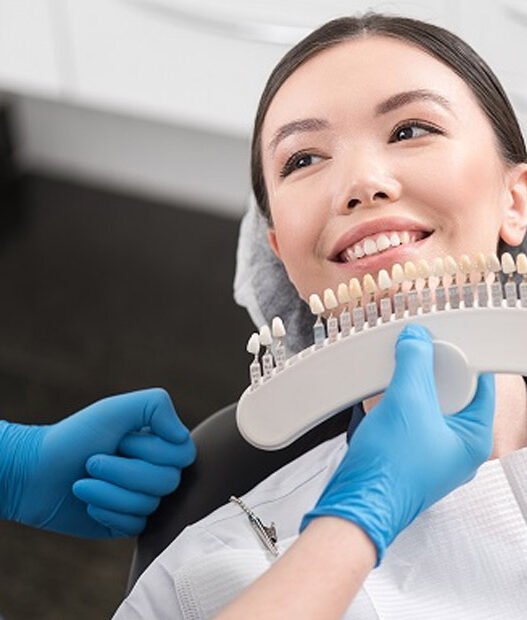
- Gentle exam. The dentist checks your teeth, gums, and mouth. You hear what is happening in plain words.
- The hygienist removes plaque and tartar. You can ask for breaks or numbing if needed.
- Simple plan. If you need treatment, you get a short plan with steps, costs, and timing.
The Centers for Disease Control and Prevention explains that regular visits help find small problems before they grow into painful infections or tooth loss.
Comparing family dentistry and general adult dentistry
Many practices treat adults only. Some adults prefer that. Others feel more at ease in a family setting with a mix of ages and a long-term bond.
| Feature | Family Dentistry | Adult Only Dentistry
|
| Who they see | Children and adults in one office | Adults only |
| Comfort style | Child friendly, calm, simple words | More formal, often faster pace |
| Long term bond | Follows you and your child over many years | Often shorter term or task focused |
| Fear support | Used to first visits and high fear | Support can vary by office |
| Scheduling | Can group family visits on one day | Separate visits for each adult |
Both types can give strong care. Many adults who feel uneasy choose family dentistry because the space feels more gentle and less rushed.
How family visits help you stay on track
Life often pulls you away from your own health. You may skip your cleaning to fit in your child’s sports or school events. A family dentist helps you protect your health too.
You can often:
- Book your cleaning the same day as your child’s visit
- Use one trip for checkups for several family members
- Share medical history once for the whole household
That saves time. It also makes it easier to keep regular visits. The American Dental Association explains that routine visits support early care and reduce tooth loss.
Support for fear, shame, and past harm
Some adults feel deep shame about their teeth. You might cover your mouth when you laugh. You might avoid photos. You might fear judgment from the dentist.
A strong family dentist:
- Listens without blame
- Explains that many adults share the same struggle
- Focuses on what can improve today, not what went wrong before
You may also have trauma from past medical or dental care. You can ask for:
- Shorter visits with clear breaks
- Extra numbing or comfort steps
- Signals to pause, like raising your hand
That control can ease flashbacks and fear. Over time, your body can learn that dental care can feel safe.
Simple steps you can take right now
You can start with small moves. You do not need to fix everything at once.
Try these three steps:
- Call a family dentist and say you feel nervous. Notice how staff respond.
- Schedule a checkup and cleaning only. Treat it as a first meeting, not a final choice.
- Bring a written list of fears and questions. Hand it to the dentist if speaking feels hard.
You deserve clean, strong teeth without fear. A steady bond with a family dentist can turn dental visits from a source of dread into a routine part of your life. You protect your child. You can protect yourself too.