You might be feeling a mix of admiration and worry every time you see your local animal shelter or a veterinary clinic in San Marcos post about being at capacity again. You care about those dogs and cats, you know the staff and volunteers are stretched thin, and you might be wondering who is quietly helping behind the scenes so those animals get the care they deserve.end
Because of this tension, you might also wonder where a regular neighborhood vet clinic fits in. Is a general veterinarian really doing much for shelter animals, or is it all on the shelter staff and donors? The short answer is that many general practices are quietly carrying a lot of weight, from medical care to planning for disasters, and those efforts can change what an animal’s life looks like in very practical ways.
This piece walks through five core ways that general veterinary clinics support local shelters, why it matters for the animals and the people who love them, and how you can use this knowledge to ask better questions and offer better help. By the end, you will see how everyday clinics and shelters are linked, and how that partnership can mean the difference between “we’re overwhelmed” and “we can handle this.”
Why do shelters struggle even with community support?
Before talking about solutions, it helps to sit with the reality. Many shelters are juggling high intake numbers, limited budgets, and animals arriving sicker or more stressed than ever. A single litter of sick kittens, a dog with a broken leg, or a parvo outbreak can drain staff energy and funds in a matter of days.
Imagine a small shelter with three staff members. In one week they might receive ten healthy young dogs, two senior cats with kidney disease, and one scared stray with a deep bite wound. They want to help all of them. Yet every decision becomes a tradeoff. Do they spend more on diagnostics for one very sick animal, or stretch the budget to vaccinate and spay or neuter the healthier ones so they can be adopted faster?
This is where the frustration grows. Staff know what “gold standard” care would look like. They also know they cannot always afford it. It is emotionally heavy to choose who gets advanced care and who receives only the basics. Volunteers feel it too. They see animals they love waiting longer for treatment or behavior help because there are not enough hands or enough money.
So, where does that leave you, if you want those animals to be safe and cared for but you are not the one writing the checks or making medical calls? One answer sits just down the road, in the same place you take your own pets for vaccines and checkups. That is where a strong general veterinary clinic partnership can soften the hardest edges of shelter work.
How do general veterinary clinics support local shelters day to day?
General practices do far more than “fix a few pets for free.” Their support often touches every stage of an animal’s journey, from intake to adoption to life in a new home.
1. Providing medical care that shelters cannot do alone
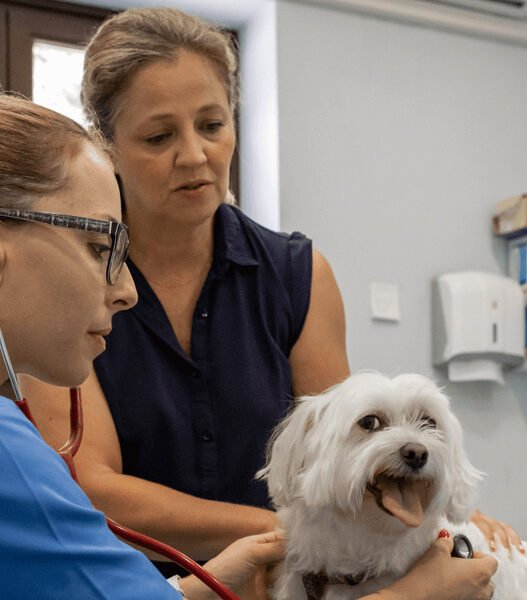
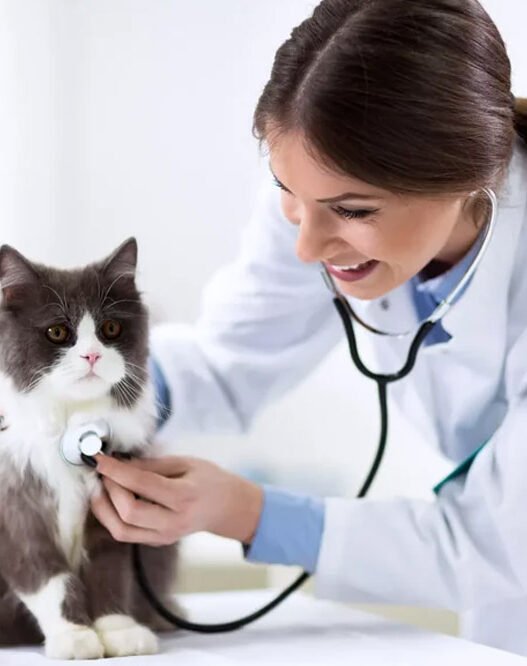
Many shelters can handle basic exams and vaccines. Once animals need X rays, dental work, or surgery beyond spay and neuter, they often turn to a nearby clinic. A collaborative vet can triage which animals need what level of care and help the shelter stretch every dollar without sacrificing safety.
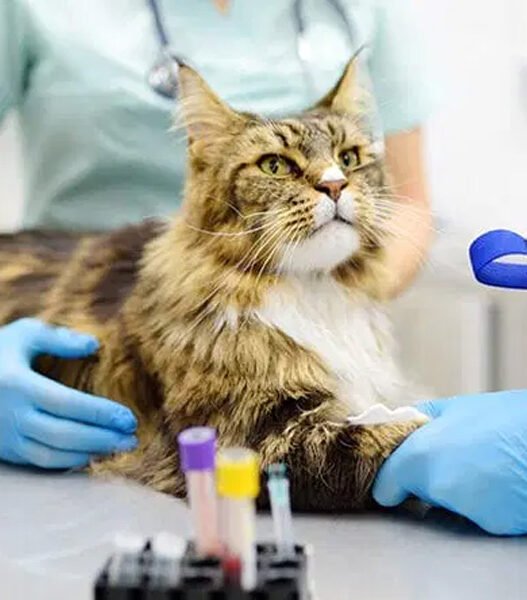
For example, a dog with a broken leg might not need a referral hospital if a skilled general vet can set the fracture, manage pain, and guide rehab. A cat with chronic vomiting can get bloodwork and imaging through the clinic, which helps staff decide if the cat is adoptable with a clear care plan, or needs a specialized foster.
Programs like the shelter medicine resources from Cornell’s Maddie’s Shelter Medicine Program offer guidance that many general vets and shelters use together. You can see examples of protocols and training materials through this shelter medicine resource library, which often shapes how clinics support local organizations.
2. Running spay and neuter and preventive care for faster adoptions
One of the simplest ways a clinic helps is also one of the most powerful. They spay or neuter, vaccinate, and microchip animals so they can be adopted quickly and safely. This is a core part of general vet services for shelters and it directly reduces overcrowding.
When a clinic offers discounted or donated surgery slots each week, the shelter can move animals into homes faster. That means fewer stressed animals in kennels, lower risk of disease spread, and less burnout for staff who are trying to care for too many at once.
3. Guiding shelters through disease control and outbreak response
Crowded spaces, constant intake, and stressed immune systems set the stage for contagious illness. Kennel cough, ringworm, parvo, and upper respiratory infections can race through a shelter. General vets often help write vaccination protocols, intake screening plans, and isolation procedures so that one sick animal does not become twenty.
Some clinics lean on public health guidance and share it with their partner shelters. For example, the CDC has published disaster and animal health guidelines that also inform disease control thinking. You can see how public health agencies frame these issues through CDC animal health and disaster guidance. A general veterinarian who understands this type of guidance can translate it into practical steps that fit a shelter’s layout and staffing.
4. Preparing together for emergencies and disasters
Wildfires, floods, storms, and building emergencies rarely give much warning. When they hit, shelters may need to evacuate animals fast, often with no place lined up to send them. A connected local clinic can be part of that plan long before the sirens start.
General vets may help shelters create emergency checklists, decide which animals move first, and figure out where temporary medical care will happen if the shelter building is not usable. They may also coach staff and foster families on what to pack in “go bags” for animals, such as medications, labeled carriers, and vaccination records.
The CDC’s pet emergency preparedness resources are often used as a starting point for these plans. If you want to understand the kind of planning your local shelter and clinics might be doing, you can look at the CDC’s pet emergency preparedness guidance, which emphasizes both human and animal safety.
5. Supporting adopters and foster families after animals leave the shelter
Support does not stop at the shelter door. Once an animal is adopted or placed in foster care, general veterinary clinics often become the main source of medical advice. Some offer free first exams or discounted services for recently adopted pets. Others agree to honor treatment plans that started at the shelter, so there is continuity in care.
This matters more than it might seem. When adopters feel supported, they are less likely to return an animal for fixable issues like minor behavior concerns or manageable chronic disease. A trusted clinic can explain what is “normal adjustment” and what needs attention. That keeps animals in homes and reduces stress on shelters that already feel at capacity.
What are the tradeoffs for shelters and clinics working together?
Partnerships between shelters and general practices are powerful, but they are not effortless. Both sides juggle time, money, and emotional energy. Understanding these tradeoffs can help you see why some shelters have more clinic support than others, and where there may be room to improve.
| Support Option | Benefits for Animals & Shelters | Challenges for Clinics & Staff | When It Works Best |
| Discounted or donated medical care | More animals receive treatment. Higher adoption rates. Less suffering for sick or injured pets. | Reduced revenue for the clinic. Staff may feel stretched managing both regular clients and shelter cases. | When the clinic sets clear limits on the number of cases per week and the shelter plans around that. |
| On site clinic days at the shelter | Efficient intake exams and vaccines. Less stress for animals who do not need transport. | Requires portable equipment and extra staff time. Scheduling can be complex. | When there is a consistent caseload and the shelter can provide a clean, organized space. |
| Shared emergency and outbreak protocols | Faster response to disease or disasters. Fewer animals affected. Clear roles for everyone. | Time spent planning that may never be “used.” Need for regular updates as staff change. | When both shelter and clinic commit to yearly reviews and simple, written checklists. |
| Adopter and foster education through the clinic | Better long term care. Fewer returns. Stronger trust between community and shelter. | Extra time in appointments for education. Staff need to be familiar with shelter policies. | When the clinic offers standard handouts and brief counseling built into first visits. |
Seeing these tradeoffs makes it easier to understand why some clinics can offer deep support while others offer smaller, but still meaningful, help. Neither is “wrong.” The key is honest communication so the shelter knows what to expect and can plan accordingly.
What can you do right now to strengthen these partnerships?
You might not be running a shelter or owning a clinic, yet you still have more influence than you think. Your choices as a pet owner, donor, or volunteer can reinforce the connection between general veterinary clinics and local shelters.
- Ask your current vet how they support local shelters
At your next visit, you can simply ask, “Do you partner with any local shelters or rescues?” You are not pressuring them. You are opening a door. If they already help, thank them. If they do not, your question alone signals that clients value community support. Over time, this can encourage clinics to explore small steps, such as offering a few low cost spay or neuter slots or a free first exam for adopted pets.
- Support shelters in following medical and emergency guidance
Shelters that follow evidence based protocols for disease control and emergencies protect both animals and people. When you donate or volunteer, you can ask how they handle outbreaks, vaccinations, and disaster plans, and whether they work with a local general veterinarian on these issues. Offer to help with the unglamorous parts, such as organizing medical records or preparing emergency kits. These quiet tasks often free staff to focus on direct animal care and clinic coordination.
- Be a bridge between adopters, fosters, and clinics
If you foster or adopt, share your experiences with both the shelter and the clinic. If your vet does something that really helped your adopted pet adjust, tell the shelter so they can recommend that clinic. If the shelter offers strong medical histories and clear discharge notes, tell your vet so they understand how prepared the shelter is. Honest feedback in both directions helps refine how general veterinary care is delivered to former shelter pets.
Where does this leave you and the animals you care about?
It started with concern about crowded kennels and overworked staff, and maybe a bit of helplessness about how much need there is. By now, you can see that local shelters are not alone. Many are backed by the quiet but steady support of general veterinary clinics that share their load in very practical ways.
You do not have to fix the entire system. You only need to take the next small step you can manage. Ask questions. Offer targeted help. Choose clinics and shelters that respect each other and work together. Every time you support those partnerships, you make it more likely that the next scared animal who walks through a shelter door will get timely care, a safe plan, and a real chance at a home.
The animals may never know all the people who stood behind them, but you will. And that knowledge can turn worry into purpose, one thoughtful action at a time.