You might notice it in photos first. One side of your smile lifts higher than the other, or a single tooth catches your eye every time you look in the mirror. You start wondering if other people see it too, and suddenly something as simple as laughing or taking a selfie feels a little tense. A consultation with a skilled prosthodontist in Torrance, CA can help you explore options to restore balance and confidence to your smile.
If that sounds familiar, you are not alone. Many people live with an uneven smile for years, telling themselves it is “not bad enough” to fix, while quietly feeling self-conscious. The good news is that there are clear reasons why smiles look uneven, and there are predictable ways dentists and orthodontists can improve them.
In short, uneven smiles usually come from a mix of tooth position, jaw alignment, gum levels, or muscle habits. Dentists use tools like braces, clear aligners, bonding, veneers, gum contouring, and sometimes jaw-focused treatments to bring things back into balance. The right approach depends on what is really causing the imbalance, not just how it looks on the surface.
So where does that leave you? It starts with understanding what might be going on in your own mouth.
What actually causes an uneven smile in the first place?
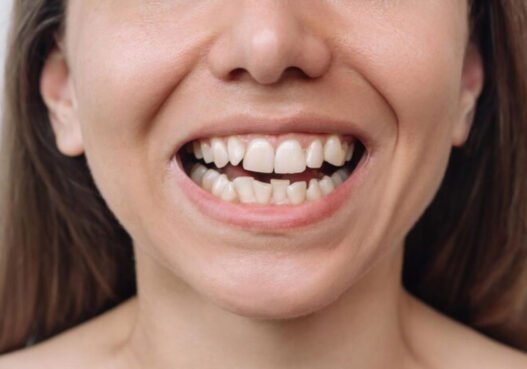
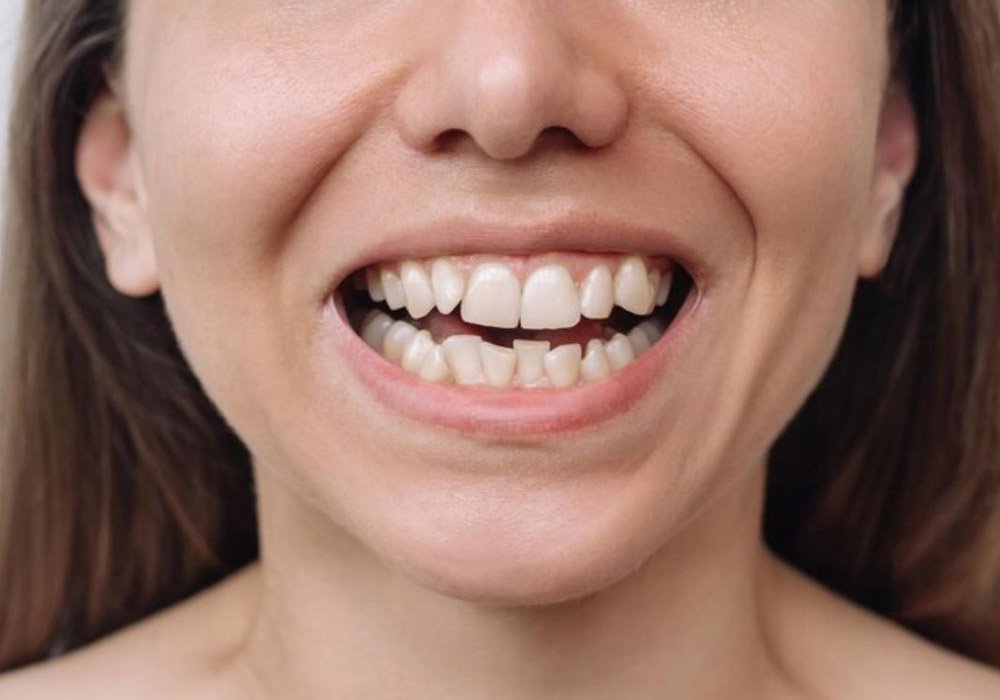
An “uneven smile” can mean many things. One side of your mouth might rise higher when you grin. Your front teeth might not line up. Your gumline could be lower on one tooth than its neighbor. Or your entire smile might slant to one side because of the way your jaws meet.
Here are six of the most common causes your dentist looks for.
- Crooked or crowded teeth
This is often the first thing people notice. Teeth that overlap, twist, or lean forward can make one side of your smile look fuller than the other. Crowding can also cause a “dark space” in one corner of your mouth when you smile, which makes the smile look lopsided.
Orthodontic treatment like braces or clear aligners is usually the answer here. By gently moving teeth into better positions, your dentist or orthodontist can create a more symmetrical, balanced smile. The American Association of Orthodontists offers helpful visuals of these kinds of common orthodontic problems if you want to compare.
- Bite problems and jaw misalignment
Sometimes the issue is not just the teeth, but the way your upper and lower jaws fit together. This is called malocclusion. It can show up as an overbite, underbite, crossbite, or open bite. When the jaws do not line up well, the entire smile can tilt or shift to one side.
This does more than affect looks. Uneven bites can cause jaw pain, headaches, and uneven wear on teeth. Treatment might include braces, clear aligners, bite adjustments, or in more complex cases, jaw surgery coordinated with an oral surgeon. For a deeper look at how different bite problems affect children and adults, you can read about malocclusion from a medical perspective on the Children’s Hospital of Philadelphia site.
- Uneven gumlines or a “gummy” smile
Even if your teeth are straight, your smile can look uneven if the gums frame them differently from side to side. One tooth might look shorter because there is more gum tissue covering it. Or one side of your upper gum might show more when you smile.
Dentists often correct this with gum contouring or reshaping. This is a careful procedure that adjusts the gumline so it follows a more even pattern. Sometimes it is combined with other cosmetic work, like bonding or veneers, to fine-tune the final look.
- Tooth size and shape differences
Teeth are not always identical. Some people have naturally smaller lateral incisors (the teeth next to your two front teeth) or have chips, worn edges, or old fillings that make one tooth look shorter than its partner.
These subtle differences can throw off the balance of your smile. Dentists often use bonding, reshaping, or porcelain veneers to correct this kind of smile asymmetry. Bonding uses tooth-colored resin to add to a tooth. Reshaping gently removes a small amount of enamel. Veneers act like thin shells over the front of the teeth to give them a more even size and shape.
- Muscle habits and “one-sided” smiling
Sometimes the teeth and gums are fine, but the muscles around your mouth do not work evenly. You might have a habit of smirking more on one side, or a past injury or nerve issue could cause one corner of the mouth to lift less.
In these cases, dentists may coordinate with other providers. Treatment can include physical therapy exercises, Botox in specific muscles to even out movement, or customized dental treatment that balances how your lips rest on your teeth. The goal is to support a more even motion when you smile, not to “freeze” your face.
- Developmental or medical conditions
Some people are born with differences in jaw growth, facial muscles, or tooth development that affect how their smile looks. Conditions that affect muscle tone or coordination can also change how the mouth moves.
Resources from the National Institute of Dental and Craniofacial Research explain how developmental disabilities can affect oral health and facial growth. In these situations, treatment often involves a team. That can include a general and cosmetic dentist, orthodontist, oral surgeon, and sometimes speech or physical therapists.
So what does all of this mean for you emotionally and practically? It means your uneven smile is not a personal failure. It is usually a mix of anatomy, habits, and sometimes health conditions, and there are structured ways to improve it.
How do dentists actually fix an uneven smile, and what should you weigh?
Once you know the cause, your dentist can talk through your options. That conversation should include not only what is possible, but also what fits your life, your budget, and your comfort level.
For example, if your main issue is crooked front teeth, clear aligners might work well if you want something subtle. If the problem is more complex bite misalignment, traditional braces or a mix of braces and other appliances may be stronger choices.
If you are bothered by a single short or chipped tooth, bonding could be a quick, lower cost option. Veneers may offer a longer lasting, more stain resistant solution, but they often cost more and require more shaping of the natural tooth.
For some people, especially those with significant jaw differences, the most stable fix might involve orthodontics plus jaw surgery. The medical literature on facial asymmetry and treatment shows that combined approaches can significantly improve both function and appearance, though they require more time and commitment.
Because of this range, it helps to see how options compare side by side.
What are the key tradeoffs when correcting an uneven smile?
The table below summarizes some common approaches to correcting an uneven smile, and what you might want to consider.
| Treatment Type | Best For | Typical Time | Cost Level* | Main Benefits | Main Considerations |
| Braces / Clear Aligners | Crooked teeth, mild to moderate bite issues | 6 to 24 months | $$ to $$$ | Moves teeth into true alignment. Improves function and appearance. | Requires daily care and follow-up visits. Results depend on wearing as directed. |
| Bonding | Small chips, uneven edges, minor size differences | 1 visit | $ to $$ | Quick, conservative, usually reversible. | Can stain or chip over time. May need touch ups. |
| Porcelain Veneers | Uneven size/shape, moderate discoloration, cosmetic makeover | 2 to 3 visits | $$$ to $$$$ | Strong, natural looking, stain resistant. | Irreversible. Higher cost. Requires healthy underlying teeth. |
| Gum Contouring | Uneven gumline, “gummy” smile on one side | 1 visit | $$ | Refines the frame of the teeth. Often quick healing. | May cause temporary sensitivity. Not for active gum disease. |
| Orthognathic (Jaw) Surgery + Orthodontics | Severe jaw asymmetry, major bite problems | 12 to 24+ months | $$$$ | Addresses underlying bone issues. Improves function, breathing, and appearance. | Involves surgery, longer recovery, and careful planning. |
*Cost levels are general and vary by region, insurance, and individual needs.
Looking at this, you might feel a mix of relief and overwhelm. Yes, there are solutions. There are also choices to make. So how do you move from information to action in a way that feels steady, not rushed?
What can you do right now to move toward a more even smile?
You do not have to decide everything today. You only need to take the next right step.
- Get a clear, honest diagnosis
Start with a thorough exam with a trusted general and cosmetic dentist. Ask for photos and, if needed, 3D scans so you can actually see what they see. Ask questions like:
- Is my uneven smile mainly about tooth position, gums, or my bite
- Are there any health reasons I should fix this, beyond appearance
- What are the simplest and most predictable options in my case
When you understand the “why” behind your smile, the treatment choices become much less confusing.
- Weigh function, not just looks
Cosmetic concerns matter. Feeling comfortable smiling is part of feeling like yourself. At the same time, ask how each option affects chewing, jaw comfort, and long term tooth wear.
For example, aligning teeth to create a more symmetrical smile may also reduce chipping and grinding. Correcting a crossbite might protect your joints and make eating more comfortable. Choosing an option that supports both appearance and health usually pays off over time.
- Plan within your budget and your timeline
Once you know your options, talk openly about cost and timing. Ask about:
- Phased treatment, such as starting with health focused work, then cosmetic refinements
- Financing or payment plans
- How long you can reasonably expect results to last
You deserve a plan that respects your financial reality. A good dentist will help you prioritize, not pressure you.
Finding peace with your smile, and choosing your next step
Feeling bothered by an uneven smile does not mean you are vain. It means you notice details, and you want the way you look to match how you feel inside. That is deeply human.
Whether your solution is simple bonding on one tooth, months of orthodontics, or a carefully planned combination of treatments, you do not have to figure it out alone. A thoughtful dentist will walk you through what is causing the imbalance, what can be changed, and what makes the most sense for you right now.
You are allowed to ask questions. You are allowed to take your time. And you are allowed to want a smile that feels like yours, only more even and at ease.