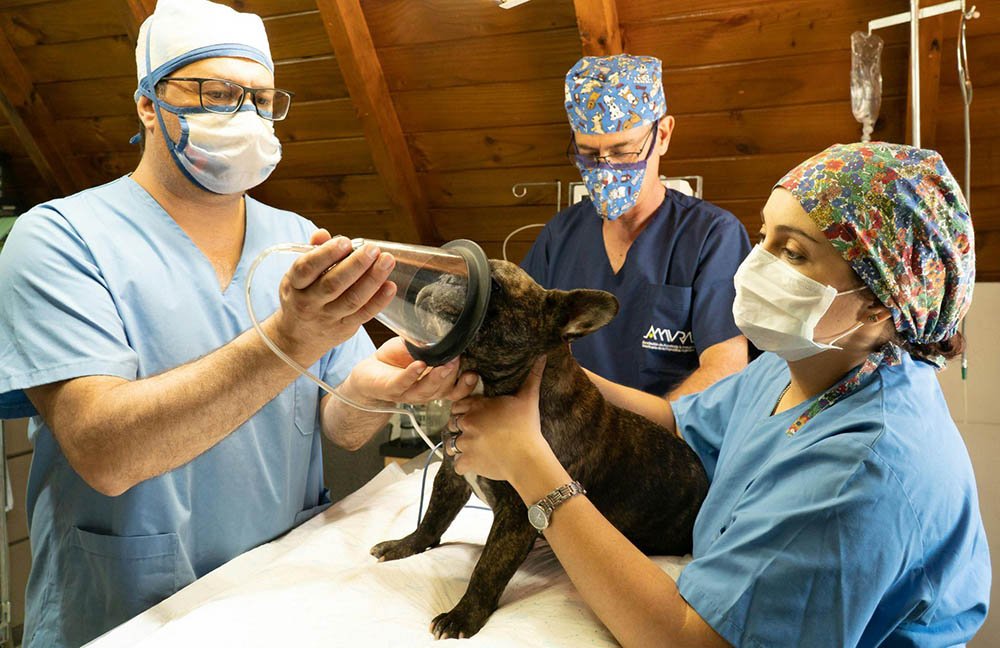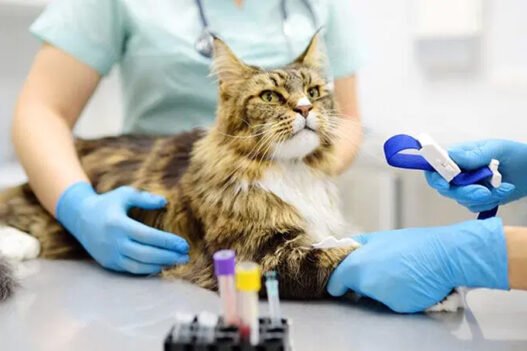
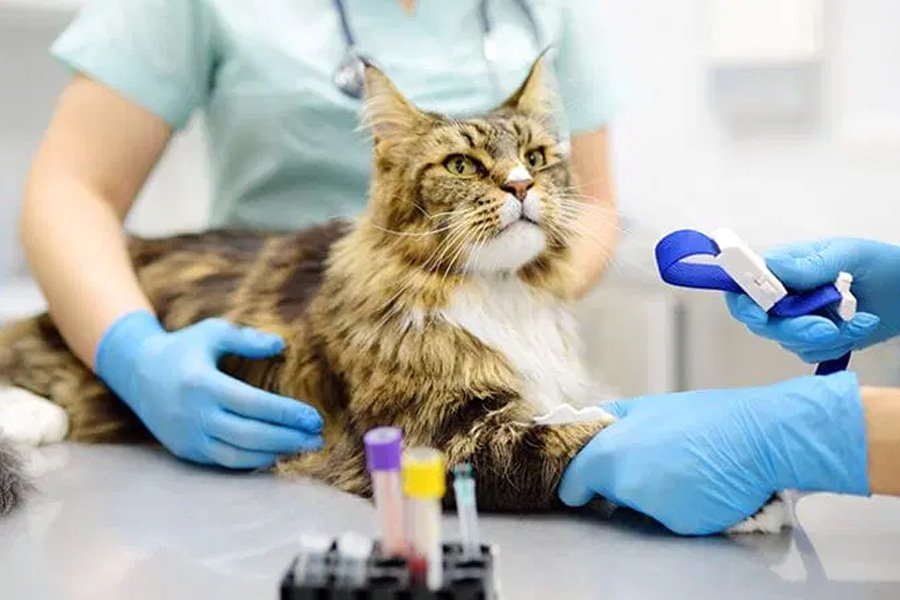
You might be feeling like life with your pet is now split into “before the diagnosis” and “after.” Before, you watched them race to the door, jump on the couch, finish every meal. After, you are counting breaths, measuring food, checking the litter box or backyard, and wondering if every small change means something is wrong—an experience our established animal hospital serving Mason understands deeply.
It is exhausting to love an animal this much and feel this unsure about what comes next. You worry about pain. You worry about money. You worry about whether you will miss a sign and regret it later. All of that is normal. It means you are paying attention.
The good news is that you are not expected to figure this out alone. A veterinary hospital can become your partner in long term care, helping you manage chronic conditions day by day, not just during emergencies. With the right support, many pets with kidney disease, diabetes, arthritis, heart issues, or other long term problems can still have a good, even joyful, life.
So where does that leave you right now. It means your job is not to have all the answers. Your job is to understand the options, ask honest questions, and build a plan with your veterinary team that you can actually follow at home.
What makes chronic conditions in pets so emotionally hard to manage?
A sudden crisis, as scary as it is, has a clear beginning and usually a clear plan. Chronic disease is different. It lingers. It changes. It asks you to keep showing up, even when you are tired and scared.
Imagine a cat newly diagnosed with chronic kidney disease. At first, it might just look like extra drinking and peeing. Then you are told this is not a quick fix. It is a long term condition that needs regular bloodwork, special food, and sometimes fluids at home. You walk out with a bag of prescription diet, a handful of handouts, and a head full of fear. That is a lot to carry.
Or picture a dog with diabetes. You learn to give insulin injections, adjust feeding times, and watch for signs of low blood sugar. You may be afraid of needles. You may worry you will “mess it up.” Every time your dog seems a little off, your mind jumps straight to worst case scenarios.
Because of this constant tension, many pet owners feel stuck in a loop of guilt and second guessing. Am I doing enough. Is my pet suffering. Am I spending too much. Am I spending too little. These are heavy questions for anyone, especially when you are also trying to live your normal life.
This is where ongoing chronic disease care for pets in a veterinary hospital can ease the load. A good team will not just treat lab numbers. They will listen to your fears, explain what matters most, and help you decide what is realistic for your family.
How do veterinary hospitals actually support long term pet care?
You might wonder what a hospital can really do once the diagnosis is made. Quite a lot, especially when the relationship is treated as a partnership instead of a series of rushed visits.
Here are some of the ways hospitals support long term management.
- Clear diagnosis and staging
Understanding where your pet is in the disease process shapes every decision. For example, staging chronic kidney disease in cats helps your veterinarian choose the right mix of diet, fluids, and monitoring. Resources like the American Veterinary Medical Association’s guide on managing your pet’s chronic kidney disease show how nuanced this can be.
- Customized treatment plans
There is rarely a “one size fits all” plan. A veterinary hospital can tailor treatment based on your pet’s age, other health issues, and your capacity at home. For one cat, that may mean prescription kidney diet only. For another, it may mean diet, blood pressure medication, and subcutaneous fluids. For a diabetic cat, your team might lean on evidence based guidance such as the Cornell Feline Health Center’s overview of feline diabetes.
- Regular monitoring and early course corrections
Chronic disease rarely stays perfectly stable. Bloodwork, urine tests, blood pressure checks, and weight tracking help catch changes early. Hospitals can adjust medications or diet before a small shift turns into a crisis. For kidney disease, for example, the Cornell Feline Health Center explains how ongoing checks improve quality of life in their guide on chronic kidney disease in cats.
- Teaching you home care skills
A strong hospital team will not just hand you supplies. They will show you how to give insulin, fluids, or pills in a way that feels safe and doable. They will practice with you, answer “silly” questions, and adjust the plan if something is not working.
- Emotional and decision support
As the disease progresses, the hardest questions are rarely medical. They are about quality of life. A thoughtful veterinarian will talk honestly about what a good day looks like, what a bad day looks like, and how to know when your pet is no longer enjoying life. You should never have to face that alone.
Should you try to manage everything at home or rely more on the veterinary hospital?
Many people wonder how much they can safely handle by themselves to save money or reduce stress for their pet. That is a fair question. The answer often lies somewhere in the middle.
The table below compares managing a chronic condition mostly on your own at home versus closely partnering with a veterinary hospital. It is not about right or wrong. It is about what is safer, kinder, and more sustainable for you and your pet.
| Approach | What It Looks Like | Benefits | Risks or Drawbacks |
| Mostly DIY management at home | Infrequent vet visits, home monitoring, adjusting food or meds on your own | Lower short term costs, fewer trips for anxious pets, more control over schedule | Higher risk of missing early warning signs, more guilt and worry, possible emergency crises that could have been prevented |
| Shared care with regular hospital support | Scheduled checkups, bloodwork, and consults, you handle daily care with vet guidance | Better disease control, early course corrections, emotional support, clearer quality of life planning | Ongoing costs, time for visits, need to coordinate transportation and schedules |
| Hospital led intensive management | Frequent visits, sometimes day hospitalization for fluids or monitoring | Close medical oversight, fast response to changes, helpful in unstable stages | Higher cost, more stress for some pets, may not be needed once stable |
So how do you decide what balance is right. The best path is usually to start with more frequent support from the hospital while you learn the routine. As you grow more confident and your pet stabilizes, you and your veterinarian can shift more tasks to home, keeping regular checkups as a safety net.
Three practical steps you can take right now
- Build a simple “chronic care snapshot” for your pet
Write down your pet’s diagnosis, current medications, doses, feeding schedule, and any special instructions. Include what “normal” looks like for your pet now, such as appetite, thirst, energy, and bathroom habits. This becomes your quick reference if something feels off. You can bring it to every visit so your veterinary team sees the full picture.
- Agree on clear red flag rules with your veterinary hospital
Ask your veterinarian to list the specific signs that mean “call us now” versus “watch and wait.” For a kidney patient, that might include not eating for 24 hours, repeated vomiting, or sudden weight loss. For a diabetic pet, that could be weakness, wobbliness, or seizures. Having these rules written down removes guesswork when you are scared and tired.
- Schedule regular checkups in advance and treat them as non negotiable
Chronic disease care is much safer when it is proactive. Work with the hospital to book the next visit before you leave. Put it in your calendar and plan around it, just as you would for an important human medical appointment. Routine bloodwork and exams often catch problems long before you see them at home, which can save money and heartache later.
Finding steady ground with chronic pet care
Living with a pet who has a long term condition is not about chasing a cure. It is about building a life that honors their comfort and your capacity. A strong partnership with a pet chronic care veterinary hospital can turn a frightening diagnosis into a series of manageable steps, taken one day at a time.
You do not have to be perfect. You only have to be willing to ask questions, share what you are seeing at home, and adjust the plan as you go. Your veterinary team can carry the medical side. You carry the love. Together, that is often enough.
If you are feeling overwhelmed, reach out to your local veterinary hospital service and ask for a dedicated chronic care consultation. Bring your questions, your worries, and your hopes for your pet’s remaining years. You and your pet deserve a plan that feels clear, kind, and possible.