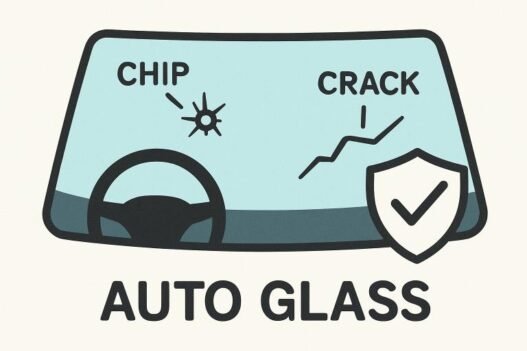
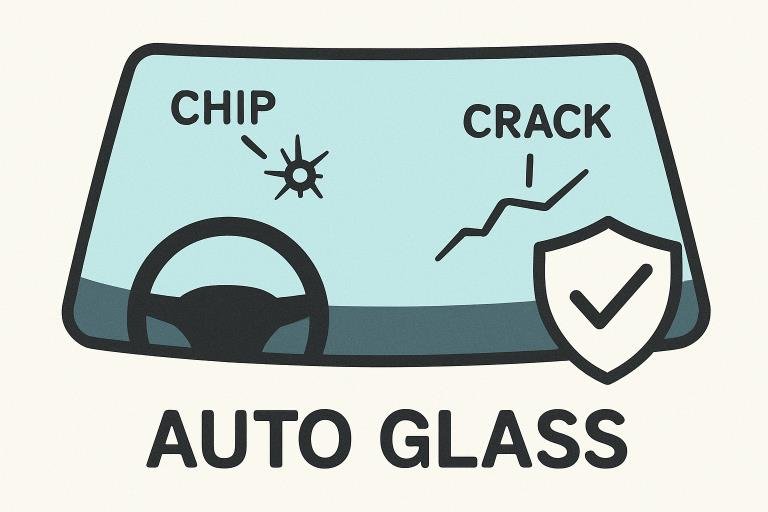
Auto glass damage is one of the most frequent issues car owners encounter, and it not only affects your vehicle’s appearance but also its safety. Understanding the causes, prevention methods, and appropriate repairs is essential for maintaining the structural integrity of your vehicle. Whether you’re dealing with stray rocks on the highway or harsh weather conditions, taking simple, proactive measures can save you from costly repairs down the line—and if you need expert insights, you can always learn more about best practices and professional services.
Beyond the cost implications, compromised auto glass can impede visibility and become a serious safety hazard during an accident. By staying informed and attentive, you can preserve both your vehicle’s aesthetic appeal and your on-road safety. This guide provides practical steps to prevent damage, offers tips for quick fixes, and outlines situations where professional help is necessary.
Maintain a Safe Following Distance
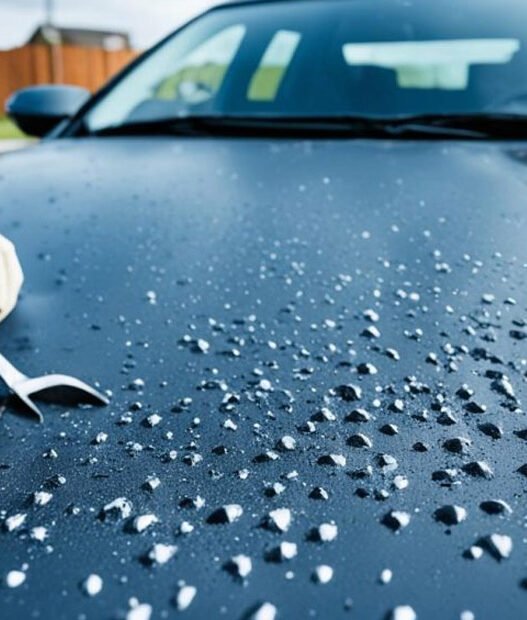
One of the simplest yet most effective ways to prevent auto glass damage is to keep a safe distance from other vehicles, huge trucks, and transport vehicles that often kick up stones and debris. This buffer provides you with more time to react to unexpected road hazards and significantly reduces the risk of stone chips and cracks on your windshield. According to the National Highway Traffic Safety Administration (NHTSA), maintaining a safe following distance is crucial for overall road safety. For more information, visit the NHTSA website.
Regular Windshield Wiper Maintenance
Windshield wipers are essential for maintaining visibility during adverse weather conditions. Over time, wiper blades deteriorate and can become brittle or cracked, resulting in uneven pressure and scratches on the glass surface. It’s recommended to replace your wiper blades every six to twelve months and inspect them regularly for signs of wear. A smooth, undamaged wiper ensures the glass is swept clean without leaving streaks or scratches that could obscure your view or weaken the windshield.
Avoid Sudden Temperature Changes
Auto glass is engineered to withstand harsh conditions, but exposing it to abrupt temperature swings can lead to cracking. For example, pouring hot water on an icy windshield or turning the air conditioning to maximum cold on a scorching day creates rapid temperature differentials, which stress the glass and can result in cracks. Always allow your windshield to adapt to temperature changes gradually, using defrost settings on low and incrementally increasing the temperature inside the vehicle. Proper temperature management is an essential and often overlooked aspect of auto glass care.
Address Minor Chips Promptly
Small chips are inevitable, but ignoring them can be costly. Even a tiny chip can grow into a spiderweb of cracks if subjected to further stress or extreme temperatures. For minor chips and cracks, using a consumer-grade glass repair kit can often halt the damage and restore structural integrity. However, any damage larger than a quarter or directly in the driver’s line of sight should be addressed by professionals immediately for optimal safety. According to Consumer Reports, timely repairs not only extend the life of your windshield but also help maintain vehicle safety features.
Park Wisely
Your parking habits play a significant role in the long-term health of your auto glass. Parking in garages or shaded areas shields your windshield from both the scorching sun and freezing temperatures, minimizing the risk of thermal stress cracks. It’s also wise to avoid parking under trees—falling branches or fruit can damage glass—or near construction zones where stray debris is common.
Use a Windshield Protector
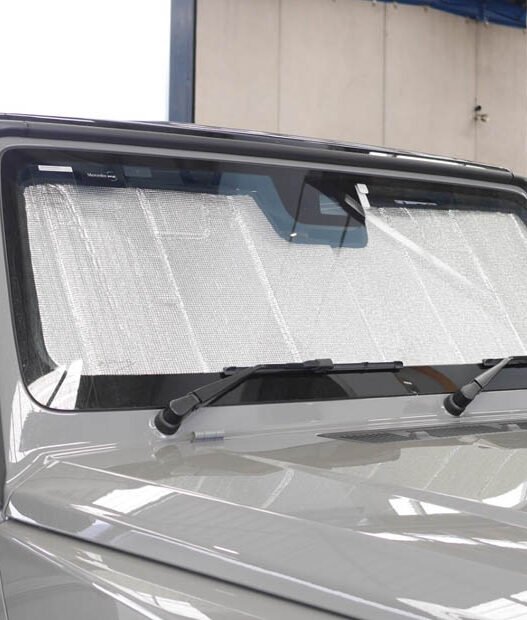
Windshield protectors provide an extra layer of protection against the elements, particularly in regions prone to hail, heavy snow, or intense sunlight. These covers block direct exposure and can prevent scratches or chips caused by externally driven debris. Investing in a quality protector is a simple preventative measure that can add years to the lifespan of your vehicle’s auto glass.
Be Cautious on Gravel Roads
Driving on gravel or unpaved roads is particularly risky for your windshield. Loose stones and debris are easily flung upward by your own tires or those of nearby vehicles. To minimize this risk, reduce your speed and maintain a substantial distance on these roads. If possible, choose alternative routes with smoother surfaces to safeguard your glass better.
Regular Cleaning with Appropriate Materials
Routine cleaning of your windshield is crucial for maintaining visibility and preventing unseen damage. Always use a soft microfiber cloth and cleaners formulated explicitly for automotive glass. Steer clear of harsh chemicals, paper towels, or abrasive scrubbers that can create small scratches and weaken the glass’s integrity over time. Proper cleaning doesn’t just keep your windshield sparkling—it helps spot unnoticed chips or cracks before they worsen. The New York Times Wirecutter offers recommendations on safe and effective glass cleaners for vehicles, providing further guidance on best practices for streak-free results.
Auto glass is not just a cosmetic aspect of your vehicle; it is vital for clear visibility and the overall safety of all passengers. By integrating these preventative measures into your regular vehicle maintenance, you can reduce the likelihood of damage, save on costly repairs, and ensure your car stays both safe and visually appealing for years to come.