Key Takeaways
- Regular cleaning schedules are crucial for maintaining hygiene and preventing illness.
- High-touch areas require frequent disinfection to minimize germ transmission.
- Employee participation enhances the effectiveness of cleanliness protocols.
- Proper waste management and air quality control contribute to a healthier workspace.
Maintaining a clean and hygienic workplace is essential for promoting employee health, supporting productivity, and safeguarding overall business success. Consistent cleaning ensures not just a visually appealing office but also minimizes health risks. Organizations looking to maintain rigorous standards often rely on proven commercial cleaning services in Baton Rouge to keep their workplaces spotless and free from bacteria and viruses.
Clean workspaces foster a more focused, energetic atmosphere, leading to happier, more motivated employees. Reducing the prevalence of germs and clutter supports an environment where everyone can thrive without distraction or downtime from avoidable illness. Furthermore, a hygienic workspace reflects positively on the company’s image, reassuring both clients and visitors that their well-being is valued. An organized cleaning routine prevents the gradual accumulation of dust, allergens, and germs that could otherwise go unnoticed and cause bigger problems over time.
Regular cleaning also demonstrates an organization’s commitment to health and safety, a priority that has gained even greater urgency in recent years. From disinfection protocols in common areas to clear waste-disposal guidelines, comprehensive workplace cleanliness policies are a cornerstone of a healthy organizational culture. According to the Centers for Disease Control and Prevention (CDC), a clean, well-maintained workplace can reduce the spread of viruses, lower absenteeism, and improve overall productivity.
Establish Regular Cleaning Schedules
Consistency is the foundation for maintaining a tidy, healthy workspace. It is essential to develop a well-documented cleaning schedule that clearly designates daily, weekly, and monthly cleaning tasks. For daily routines, surface sanitizing in shared and personal areas should be prioritized. Regular vacuuming and rapid response to spills further restrict the growth of bacteria and unsightly dirt accumulation. For weekly and monthly tasks, deeper cleanings, such as carpet shampooing, furniture polishing, and vent cleaning, should be performed to eliminate hidden dust and allergens that can affect respiratory health and morale. Comprehensive plans also help cleaning staff and employees stay accountable, ensuring no area goes overlooked for extended periods.
Focus on High-Touch Areas
High-touch surfaces like light switches, elevator buttons, door handles, phones, and shared office equipment are prime locations for germ transmission. These areas should be disinfected multiple times a day, especially during busy office hours or flu season. By making disinfection of high-traffic surfaces a non-negotiable part of your cleaning routine, you reinforce a proactive infection-control strategy. The Environmental Protection Agency (EPA) offers important guidance on high-touchpoint cleaning products and methods. Regular disinfection is one of the most essential ways to prevent outbreaks of communicable illnesses in the office.
Encourage Employee Involvement
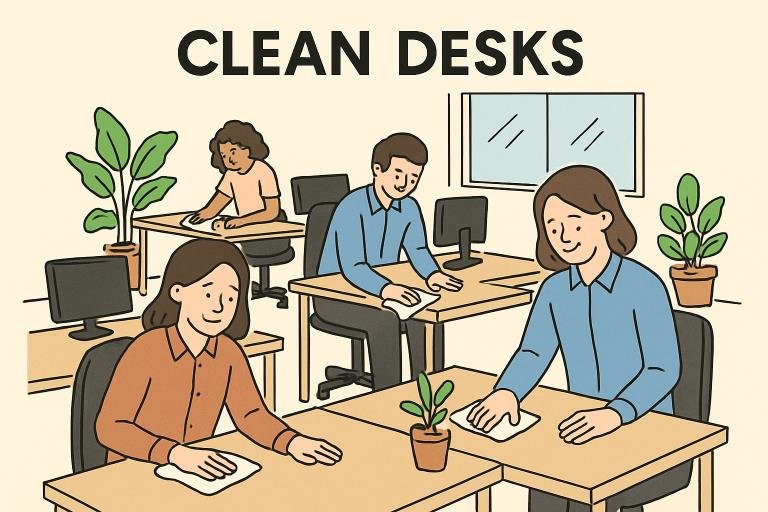
A culture of cleanliness extends beyond the janitorial team. When employees are empowered to take responsibility for their individual spaces, the overall hygiene standard naturally improves. Provide easy access to cleaning products such as disinfectant wipes, sprays, and trash bins, and encourage regular cleaning of personal desks, keyboards, and phones. Educate the staff about the importance of cleanliness, not just for their health but for the well-being of their colleagues. Consider developing short, engaging workshops or reminders to reinforce these habits and acknowledge the collective effort needed for workplace cleanliness.
Implement Proper Waste Management
Effective waste handling is another critical pillar. Overflowing trash bins and poorly managed recycling lead to odor problems, pest infestations, and diminished company pride. Position waste and recycling bins in accessible, logical locations. Empty them frequently and ensure recycling guidelines are clearly posted. This not only contributes to tidiness but also promotes environmental responsibility, aligning with the growing expectations for sustainability in the modern workplace.
Maintain Air Quality
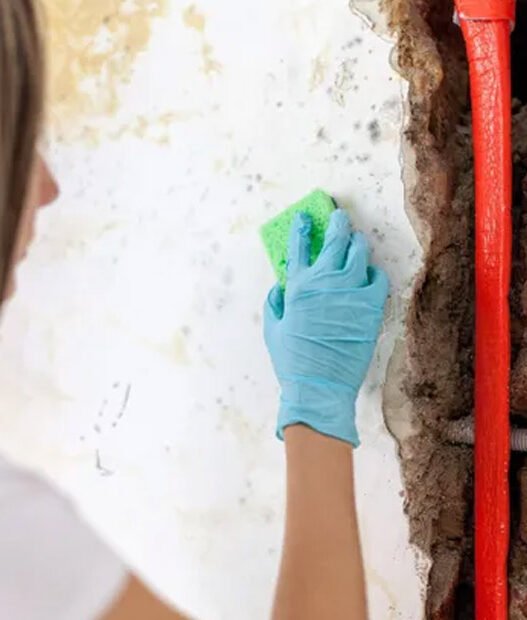
Good air quality improves concentration and reduces fatigue. Routine dusting and vacuuming, combined with diligent upkeep of HVAC systems, remove allergens, mold spores, and other airborne contaminants. Ensuring adequate air circulation is equally important; regularly open windows or use purifiers where possible. Introducing indoor plants, such as snake plants or pothos, can help purify the air naturally, creating a more refreshing and appealing workspace that directly supports employee wellness.
Designate Eating Areas
Limiting food and drink to certain areas lessens the risk of attracting pests and minimizes mess throughout the office. Encourage employees to enjoy snacks and meals in break rooms or designated cafeterias, and ensure these spaces are cleaned regularly. Visible policies and friendly reminders about where eating is allowed can significantly reduce crumbs, spills, and lingering odors in work zones, preserving both hygiene and professionalism.
Ensure Restroom Hygiene
Restrooms demand thorough, methodical care. Daily, and sometimes hourly, disinfection of door handles, faucets, sinks, toilets, and dispensers is necessary to prevent the transmission of bacteria and viruses. Stock restrooms reliably with essentials such as soap, paper towels, toilet paper, and hand sanitizer, and display reminders about the importance of handwashing to reinforce good habits. Clean, well-stocked restrooms demonstrate your organization’s commitment to health and comfort for all colleagues and guests.
Consider Professional Cleaning Services
Enlisting professional cleaning services can elevate hygiene standards that are challenging to maintain with in-house efforts alone. Professionals arrive with specialized training and equipment, ready for deep cleaning tasks that go beyond routine surface wiping. Many companies schedule regular professional cleanings for carpets, upholstery, and ventilation systems, as well as seasonal deep cleans in kitchens, restrooms, and common areas. Investing in these services protects your business’s health and reputation and can save significant time and resources in the long run.
By adhering to these best workplace cleanliness practices, organizations can support a happier, healthier, and more efficient environment for both employees and visitors. Implementing comprehensive cleaning routines ensures your workspace remains inviting, productive, and ready for whatever challenges the business day brings.