Key Takeaways
- Dental implantsare a long-lasting, natural-looking solution that helps preserve bone and facial structure.
- Bridgescan efficiently restore function but may compromise the health of neighboring teeth.
- Denturesoffer a versatile, usually less expensive replacement option, although they may lack the comfort and functionality of fixed options.
Replacing missing teeth is crucial for maintaining optimal oral health, achieving comfort, and regaining confidence. With various dental solutions available, making an informed choice can be challenging. This guide explores and compares dental implants, bridges, and dentures to clarify your options. When considering permanent solutions, many patients begin their research by examining the Full Mouth Dental Implant Cost Dallas, TX, to understand long-term investments.
Each method for tooth replacement has its advantages, costs, and maintenance requirements. Factors such as jawbone health, budget, and personal preferences can significantly influence the best option for each individual. Understanding how dental implants, bridges, and dentures work will help you find the right fit for your oral health needs.
Understanding Dental Implants
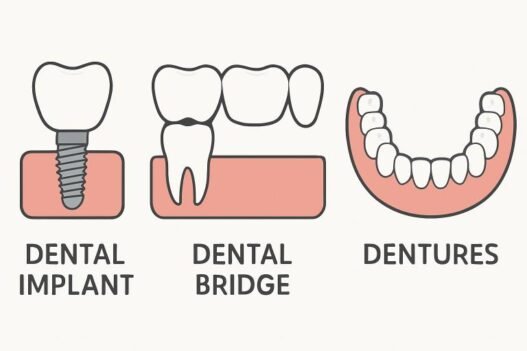
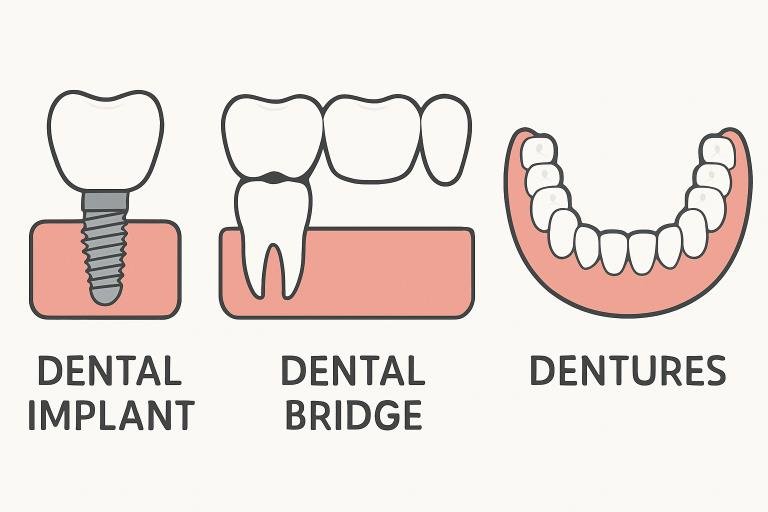
Dental implants are advanced, permanent tooth replacements that mimic the function and appearance of natural teeth. A titanium post is precisely placed into the jawbone during a minor surgical procedure, allowing bone tissue to grow around the implant through a process known as osseointegration. This fusion offers unparalleled stability, keeping the crown, bridge, or denture firmly in place.
The primary advantage of implants is their ability to preserve jawbone density, minimizing future bone loss that would otherwise affect facial structure and lead to premature aging. Implants function just like your own teeth, allowing you to speak, eat, and smile confidently without worry about shifting or slipping.
According to the American Dental Association, implants are considered the gold standard for tooth replacement due to their high success rates and natural feel.
Comparing Dental Implants to Bridges
Dental bridges are fixed oral appliances that consist of prosthetic teeth anchored to neighboring natural teeth—these “abutment teeth” must be filed down to accommodate crowns that support the bridge structure. While bridges can efficiently fill gaps and restore biting and chewing function, this technique requires compromising the health and integrity of perfectly healthy teeth on either side of the missing tooth.
Dental implants, on the other hand, spare the adjacent teeth from modification, maintaining your natural dental anatomy. Implants also last longer on average, reducing the likelihood of future dental work in the same area. This is particularly important for patients wishing to preserve their natural tooth structure for as long as possible.
Comparing Dental Implants to Dentures
Dentures are removable appliances that replace multiple or all missing teeth in either the upper or lower jaw. Available as partial or complete sets, dentures are custom-made for each patient but rest on top of the gums, rather than being anchored to the bone. This can result in less stability during eating and speaking, sometimes requiring adhesives to hold them in place.
While dentures are often more affordable upfront and can quickly restore a full smile, they do not prevent the jawbone from shrinking over time, a process known as resorption. As the underlying bone changes, dentures may loosen and require frequent adjustments or replacement. Dental implants, by contrast, help maintain bone structure, offering improved stability, comfort, and facial aesthetics over the long term.
Success Rates and Longevity
Dental implants enjoy success rates of 90–95%, making them one of the most predictable dental treatments available. With proper care, implants can last 20 years or longer, often providing lifelong results. By contrast, traditional bridges may last 5–15 years before needing replacement, primarily due to wear and tear on the supporting teeth. Dentures, on the other hand, may need to be relined or replaced every 5–8 years.
The longevity of each solution depends on several factors, including oral hygiene, diet, and whether patients avoid tobacco use. Reliable studies from the WebMD Oral Health Center indicate that dental implants are a superior option for durability and effectiveness.
Cost Considerations
The cost difference between dental implants, bridges, and dentures is notable. While dental implants require a higher initial financial investment, especially for full-mouth replacements, they may prove more economical over time due to their longevity and low maintenance requirements. By comparison, bridges and dentures have lower upfront costs but often lead to recurring expenses for replacements, repairs, or ongoing adjustments.
Dental insurance coverage varies, but many plans now offer partial benefits for implants as more evidence mounts supporting their effectiveness and minimal complications. Consulting with your dental provider can clarify what solutions will work best for your needs and budget.
Maintenance and Care
Caring for dental implants closely mirrors the maintenance of natural teeth, emphasizing the importance of consistent oral hygiene practices. Daily brushing and flossing, combined with regular dental checkups, are crucial for maintaining the longevity of implants. While implants are resistant to decay, healthy gums are essential to preventing peri-implant diseases, which can compromise their stability. For dental bridges, meticulous cleaning is necessary beneath the prosthetic and around the crowned teeth, often requiring specialized floss threaders to reach difficult areas. Dentures, on the other hand, must be removed and cleaned each day thoroughly to prevent bacterial buildup, odor, and gum irritation. Additionally, keeping dentures moist when not worn preserves their shape, fit, and comfort, ensuring optimal oral health and function over time.
Conclusion
Choosing the most suitable tooth replacement option depends on a combination of factors, including your medical history, oral anatomy, lifestyle, and long-term dental goals. Dental implants are often the preferred choice for those seeking a durable, long-lasting solution that preserves surrounding teeth and supports bone health, offering a natural look and feel. Dental bridges provide a fixed, dependable alternative with a shorter treatment timeline, making them ideal for patients who may not be candidates for surgery. Dentures provide a cost-effective, non-invasive solution that is accessible, although they may involve trade-offs in terms of comfort, fit, and stability. Consulting with a skilled dental professional enables a personalized assessment, ensuring you select a replacement that aligns with your oral health, aesthetics, and budget, thereby providing optimal functionality and confidence in your smile.