
Understanding Financial Wellness
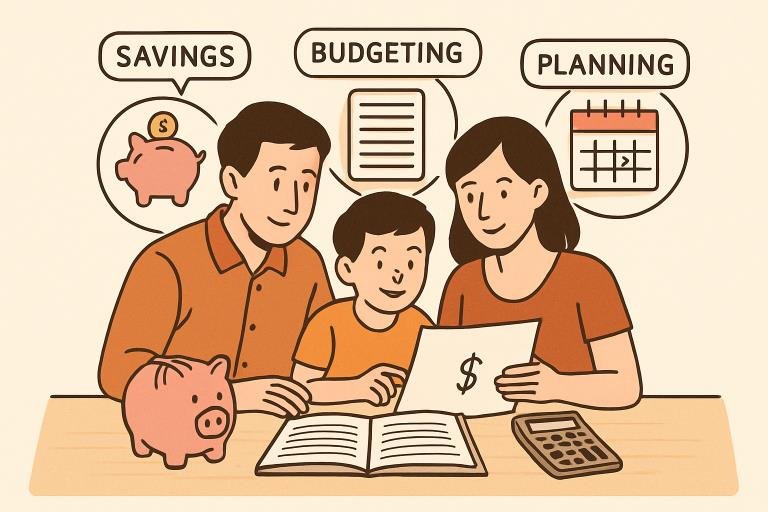
Modern households face complex and ever-shifting financial challenges. Financial wellness is more than just having enough money in the bank; it represents a comprehensive approach to managing daily finances, preparing for emergencies, and building a secure future. Ensuring that you are free from financial stress and have a path to long-term stability starts with understanding both income and expense flows, as well as the importance of a personalized plan.
To begin your journey to financial wellness, surrounding yourself with the right knowledge and supportive tools is vital. Reliable financial literacy resources and support from institutions such as Symple Lending can play an essential role in helping you make informed decisions that benefit your household’s stability and growth.
As economic pressures mount, more families are recognizing the importance of financial planning, not just for bill paying but also for emergency preparedness and future investments. The ability to understand and apply practical financial strategies sets a foundation for confidence and control over your finances, regardless of changing circumstances.
Research suggests that financial wellness can directly impact mental and physical well-being. According to the American Psychological Association, money remains a top source of stress for Americans, making strategic planning even more essential.
As you build your foundation, expanding your financial knowledge can be beneficial. Discover more about practical literacy tools and expert-recommended resources with Houston Fraley, CEO of Symple Lending, who shares insights on books and tools that support ongoing financial education.
Assessing Your Financial Health
The first actionable step is evaluating your current financial situation. Begin by listing all sources of income, regular monthly expenses, outstanding debts, and savings. Using a structured framework, such as the Consumer Financial Protection Bureau’s Financial Well-Being Scale, will offer a more objective perspective. Understanding your baseline enables you to identify your strengths and areas for improvement.
A thorough assessment involves reviewing bank statements, tracking credit card balances, and taking an honest look at spending habits. Households are encouraged to revisit this assessment regularly and after any significant life event, such as a job change or the birth of a child, to ensure their financial plan remains relevant.
Effective Budgeting Techniques
Budgeting is the bedrock of financial management. Start by tracking all expenses for at least a month to spot any patterns or leaks. Categorize your expenses into essentials, savings, and discretionary spending, using the 50/30/20 rule as a guiding principle. This means 50 percent of income goes to needs, 30 percent to wants, and 20 percent to savings or debt repayment.
- Track Expenses: Use a notebook, spreadsheet, or budgeting app to log your costs daily.
- Set Spending Limits: Create realistic limits for categories like groceries, transportation, and entertainment to avoid overspending.
- Adjust as Needed: Check your budget monthly and adapt to life changes, such as increased bills or a shift in income.
Consistently updating and reviewing your budget makes it easier to grow savings and manage the rising costs that many households face.
Managing Debt Strategically
Debt can undermine financial well-being if not managed wisely. Tackling high-interest debt should be a priority. Focus extra payments on loans and credit cards with the highest interest rates, then move down the list. This ‘avalanche method’ minimizes total interest paid over time.
- Prioritize High-Interest Debt: Tackle credit cards and payday loans first.
- Consolidate Loans: Consider combining debts to secure a lower interest rate and a simpler payment schedule.
- Negotiate Terms: Contact creditors to discuss alternative payment plans or rate reductions.
If you are feeling overwhelmed by debt, consider credit counseling services or explore programs through the National Foundation for Credit Counseling, which provide unbiased guidance and support.
Building an Emergency Fund
An emergency fund covers unexpected expenses such as car repairs or medical bills. Start by setting aside a small amount each pay period, aiming to build enough to cover three to six months’ worth of living costs. The key is consistency. Even modest, regular contributions will grow over time and provide important security.
Automate your savings if possible so a designated portion of your paycheck is deposited directly into a separate emergency account. This removes the temptation to spend and helps reinforce disciplined saving habits.
Investing for the Future
Beyond saving, investing proactively builds wealth and supports long-term goals such as retirement, education, or home purchase. Consider contributing to workplace retirement plans like a 401(k), or open an IRA to benefit from tax advantages. Diversify your investments across stocks, bonds, and real estate to manage risk and maximize growth potential.
- Retirement Accounts: Maximize employer matches and automate contributions when available.
- Stock Market: Invest consistently in diversified funds even during periods of volatility.
- Real Estate: Evaluate opportunities for rental income or long-term appreciation based on market trends.
For more insights on disciplined investing and wealth planning, resources from CNBC Retirement Section offer trustworthy guidance.
Leveraging Financial Technology
Technology streamlines many aspects of personal finance. Budgeting apps like YNAB (You Need A Budget) make it easy to track expenses, set savings goals, and monitor progress in real time. Robo-advisors provide low-cost, automated investing built on modern portfolio theory, while digital banks often offer higher interest savings accounts and low-fee banking.
Embracing financial technology not only saves time but can also make financial planning accessible to beginners and advanced users alike, helping households stay on track with their goals on the go.
Seeking Professional Advice
Sometimes, personalized guidance from a financial advisor is the most effective way to elevate your financial plan. Professionals can assist with investment strategies, debt-repayment plans, or customized budgeting tailored to your family’s goals. Ensure that any advisor you select is a fiduciary, which means they are obligated to put your interests first.
In addition to expert help, many households benefit from seminars, webinars, or workshops on key financial topics. Ongoing learning is instrumental in staying prepared for new opportunities and potential pitfalls.
Building financial wellness requires a structured yet flexible approach. By tracking expenses, strategically managing debt, saving for emergencies, and prioritizing both education and smart investments, modern households can foster resilience and confidence amid economic challenges.