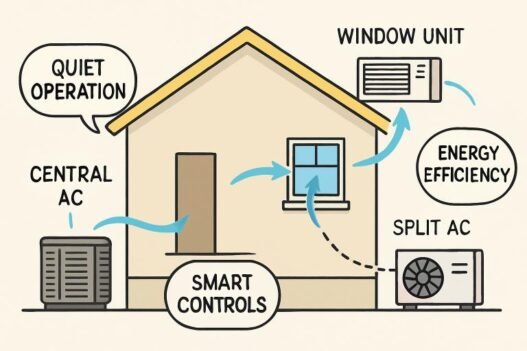
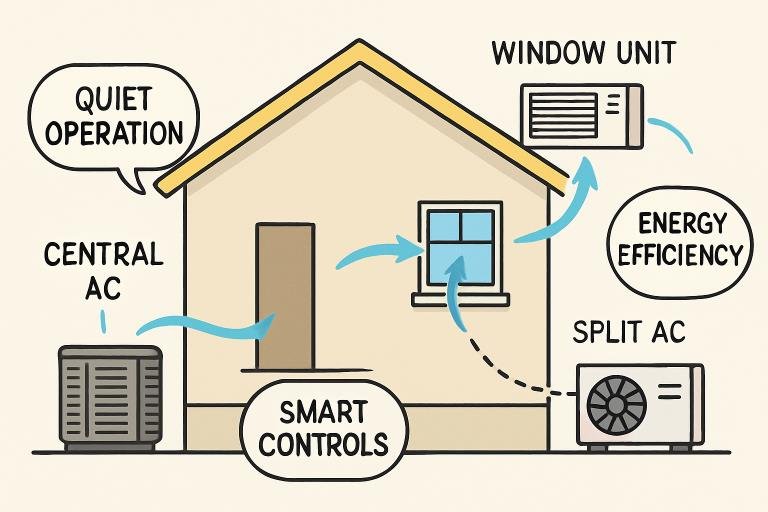
Key Takeaways
- Assess your home’s size and layout to determine the appropriate AC capacity.
- Prioritize energy efficiency to reduce utility costs and environmental impact.
- Consider additional features like noise levels, air quality enhancements, and intelligent controls.
- Factor in installation requirements and ongoing maintenance for optimal performance.
Finding the perfect air conditioner for your home can be overwhelming, given the variety of systems and features available today. The right decision ensures not only comfort but also energy efficiency and cost savings. Whether you are upgrading an aging unit or outfitting a brand-new space, key factors can help you invest wisely. Homeowners in specific regions benefit from local expertise, such as Air conditioner installation in Ottawa, which provides guidance tailored to climate and code requirements. Understanding the details of each option puts you on the path to a more comfortable and energy-conscious home all summer long.
It is crucial to match your air conditioning system to your home’s unique specifications. System size, energy rating, installation process, and maintenance needs can create significant differences in performance and satisfaction. By evaluating your household’s demands and any specific preferences, you will streamline the selection process and avoid costly mistakes. Thoughtful planning up front results in a system that performs reliably and keeps operating costs in check.
As new technologies expand your options, explore features beyond cooling. Modern AC systems now contribute to cleaner air, easier remote management, and reduced noise, all of which enhance daily living. Weigh these advancements alongside your space, budget, and energy goals to make the most informed choice for your home comfort for years to come.
Assess Your Home’s Size and Layout
Matching your air conditioning system to the exact needs of your home is the foundation of lasting comfort. An air conditioner that is too small will struggle to cool your living spaces, placing strain on the unit and leaving hot spots throughout the house. An oversized system might cool the air too quickly, failing to properly remove humidity, resulting in clammy conditions and higher energy bills. The layout of your home, number of rooms, floor plan, and sun exposure all factor into determining the right system size. Using a BTU (British Thermal Unit) calculator helps make preliminary estimates, but a qualified HVAC technician can assess these variables in detail to provide the best recommendation. For additional guidance, check out resources like Energy.gov’s guide to air conditioners for sizing and efficiency tips.
Prioritize Energy Efficiency
Cooling a home can account for a significant portion of your summer energy bills. Selecting a highly efficient air conditioner delivers comfort while minimizing utility costs. Look for systems with a high SEER (Seasonal Energy Efficiency Ratio) rating, which signifies better energy performance. ENERGY STAR-certified units represent the industry standard for energy efficiency and performance, meeting strict guidelines set by the U.S. Environmental Protection Agency. Models with variable-speed compressors and smart thermostats offer extra savings by adjusting output based on current needs. Before making your final decision, review third-party information at sites like Consumer Reports’ air conditioner buying guide for independent ratings and insights.
Consider Noise Levels
The sound an air conditioning system makes can influence your comfort as much as its cooling ability. Older models and low-cost units often produce more noise, which may interrupt sleep or add to household distractions. Manufacturers provide decibel (dB) ratings to indicate sound output during operation. When quiet operation is a priority, such as in bedrooms or open-concept living areas, choose models with lower dB ratings and features designed to dampen vibration and sound. Consulting reviews and product specifications has become standard for homeowners seeking the best balance of power and peace.
Enhance Indoor Air Quality
Today’s air conditioners frequently include integrated air quality enhancements. Advanced filtration systems aim to capture dust, pollen, pet dander, and other irritants, making them invaluable for families with allergies or respiratory conditions. Some models feature additional technologies, such as HEPA filters or UV-C lights, to target microscopic particles, bacteria, and mold spores. If maintaining a healthy indoor environment is a priority, make sure to inquire about these upgrades when choosing your new AC system. Prioritizing good indoor air quality can improve daily well-being and reduce long-term health risks.
Explore Smart Controls
Smart controls have transformed the way homeowners interact with their HVAC systems. Wi-Fi-enabled thermostats and mobile apps now allow you to monitor or change your home’s climate from anywhere, even when you are not at home. Many smart thermostats learn your preferences over time, automatically lowering energy use when the house is empty and maximizing comfort when you return. Additional features, such as real-time energy consumption reports, make it easier to track and reduce usage. Integration with systems like Google Home or Amazon Alexa adds another level of convenience, especially for tech-savvy households looking to automate home management.
Plan for Installation and Maintenance
Even the highest-rated air conditioner cannot reach its potential without correct installation. Proper placement, securely sealed ducts, precise thermostat positioning, and balanced airflow optimize every aspect of the system’s performance. Professional installers ensure safety, efficiency, and reliable function from the start. Additionally, routine maintenance keeps your AC unit running smoothly for years. Regular jobs include replacing or cleaning filters, inspecting coils for debris, and ensuring condensate drains remain clear. Making a schedule for these simple upkeep tasks helps prevent breakdowns and maintain optimal air quality. For more information on maintenance strategies, see Real Simple’s air conditioning maintenance guide.
Budget Considerations
Affordability remains a critical concern for any homeowner. While initial costs are essential, total ownership costs often paint a clearer picture. Higher-efficiency or feature-rich systems may cost more upfront, but energy savings and manufacturer incentives offset these costs over time. Evaluate financing options, energy rebates, and government programs that may reduce costs. Remember to separate essential features from bonus upgrades to stay within budget while meeting your requirements.
Seek Professional Consultation
Consulting an HVAC professional saves time, effort, and money during your search for the right air conditioning system. Experienced technicians evaluate your unique space, preferences, and climate to offer personalized recommendations. Their expertise ensures seamless installation, system sizing, and compliance with local codes. Relying on skilled pros translates into fewer future issues, better energy efficiency, and peace of mind as you enjoy a perfectly cooled home for many seasons ahead.
By approaching the process with attention to detail and expert assistance, you can choose an air conditioning system that delivers optimal comfort, efficiency, and value for years to come.