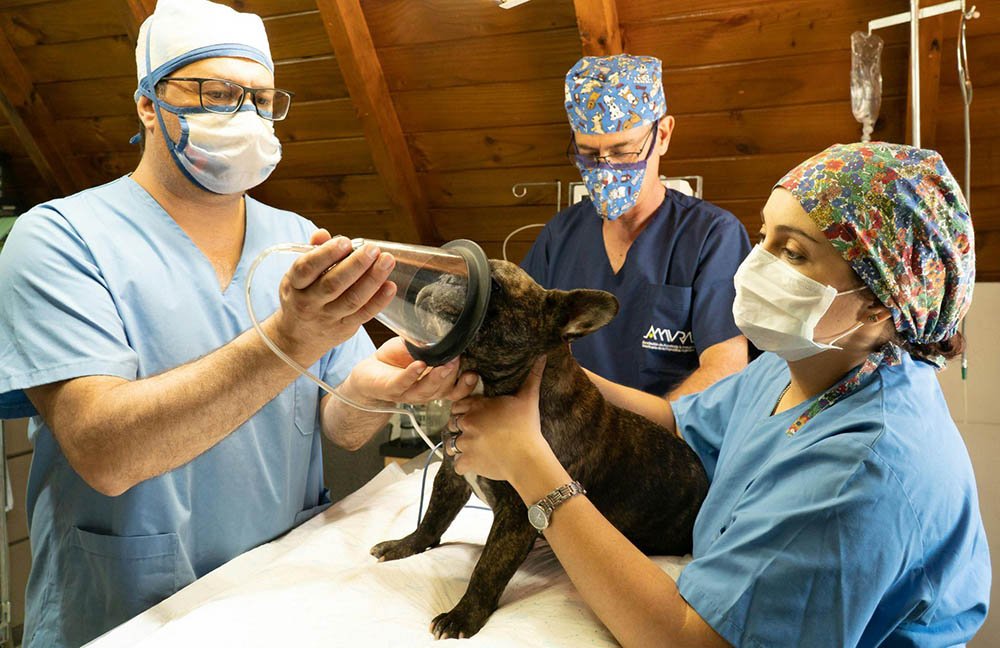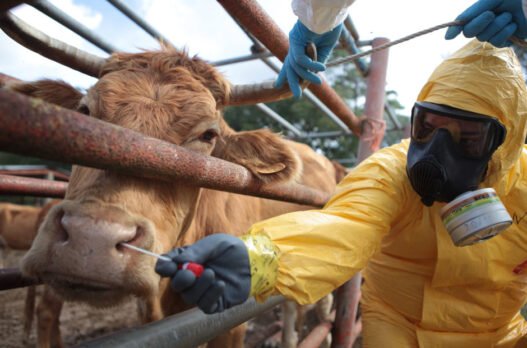
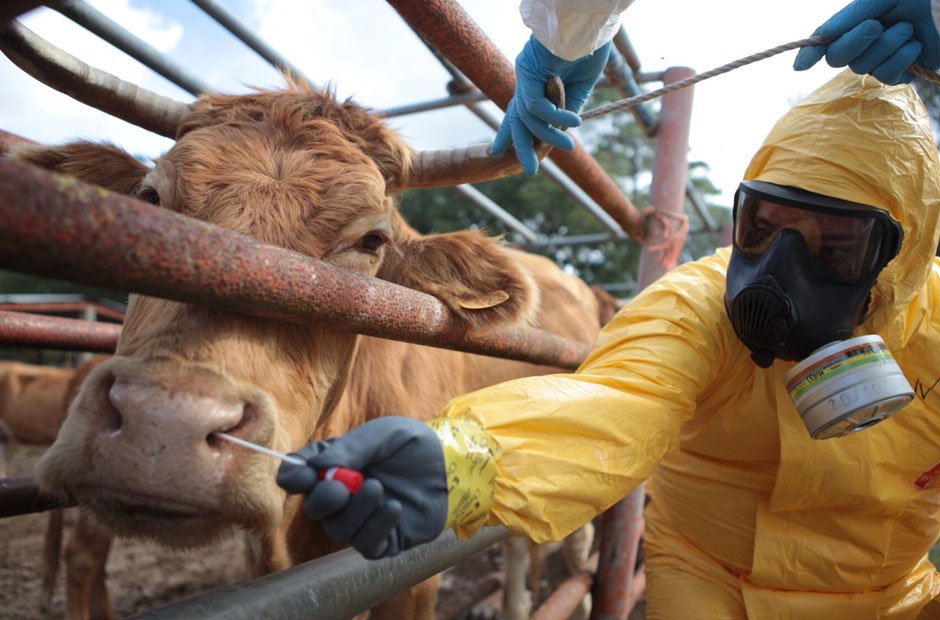
When disaster strikes, you think of people first. Yet animals feel the same fear, pain, and confusion. You trust your veterinarian to care for them on a quiet day. You also need to know what happens when the sky turns dark and the power goes out. An Oakville, Ontario veterinarian does not wait for the storm. Staff train, stock supplies, and plan for chaos long before alarms sound. They prepare to move animals, protect records, and stay in touch with you when phones fail. They work with local fire, police, and shelters. They test generators and backup water. They choose who stays, who goes, and how to keep every cage safe. This preparation is not dramatic. It is careful, steady work. It means your animal has a better chance to survive when you have minutes to act, and your hands are shaking.
Why disaster planning for animals matters
Disasters hit fast. Fire, flood, ice, and wind can block roads and cut power. Your animal depends on you. You depend on your veterinarian. When the clinic has a strong plan, your animal has a better chance of living through the first hours. You also face less panic and guilt.
Federal and emergency groups treat animals as part of family safety. The U.S. Ready.gov pet emergency guide urges families to include pets in every plan. Animal hospitals follow the same message. They treat each cage, stall, and tank as a life that deserves a clear path out.
How animal hospitals build emergency plans
Every strong plan starts on paper. Staff then turn that paper into action. You may not see this work during a routine visit. It happens in staff rooms and back halls.
Hospitals usually create three linked plans.
- An evacuation plan for fire, flood, and gas leaks
- A shelter in place plan for storms and power loss
- A recovery plan for the days after the event
Each plan answers three hard questions. Who does what? Where animals go. How staff contacts you. Clear roles reduce panic. Written maps on doors and walls show exits, safe rooms, and supply spots. Regular drills turn words into muscle memory.
Staff training and clear roles
Training is the backbone of every response. Without it, even the best plan fails. Hospitals use short, repeated training sessions so every worker knows the steps.
Staff learn how to:
- Lift and move animals of different sizes
- Use stretchers, slings, and muzzles
- Handle frightened or biting animals safely
They also practice simple communication. One person leads. Others follow clear commands. No one guesses. No one acts alone. New staff are trained soon after hire. Long-term staff refresh their skills each year.
Protecting records and medicine
During a disaster, medical records and medicine can mean the line between life and death. Hospitals guard both.
First, they store records in secure electronic systems. Regular backups protect against water and fire. Staff can reach records from safe locations if the building closes. This helps when your animal needs care at a shelter or partner clinic.
Second, they protect medicine. Fridges sit on battery or generator power. Staff track which drugs must stay cold. They also keep extra stock of common drugs, fluids, and bandage supplies. This allows quick treatment when supply trucks stop.
Power, water, and backup systems
When the lights go out, care must continue. Many clinics keep backup tools ready. These tools protect surgery, life support, and basic comfort.
Common disaster backups in animal hospitals
| System | Normal source | Backup method | Why it matters
|
| Electric power | Local grid | Generator and battery packs | Keeps monitors, lights, and fridges running |
| Water supply | Municipal line | Stored water and portable tanks | Supports drinking water and cleaning |
| Medical records | On site computers | Cloud backups | Protects treatment history and contact data |
| Communication | Phone and internet | Cell phones and radios | Links staff, shelters, and families |
Hospitals test these backups on a set schedule. Staff practices quick switchovers so the team does not freeze when alarms sound.
Working with community emergency teams
Animal hospitals do not stand alone. They link their plans with city, regional, and national guidance. The U.S. Centers for Disease Control and Prevention’s pet disaster tips show how animal care fits into public health. Local clinics use this science to shape their own rules.
Hospitals often:
- Share contact lists with shelters and rescue groups
- Join community drills and practice evacuations
- Offer space for injured rescue dogs or service animals
They may also help run lost and found boards for pets. This support helps reunite families and reduces strain on shelters.
How you can support your animal hospital
You play a strong role in this system. Your choices before a storm shape what staff can do for your animal.
Three steps help most.
- Keep your contact details current with your veterinarian
- Prepare a small pet go bag with food, meds, and a photo
- Ask your clinic about its disaster plan and your part in it
A pet go bag can sit by your own emergency kit. Include food, water, leash, carrier, copy of records, and a written note of any medicine schedule. This simple step gives staff what they need if you become separated from your animal.
Facing the next storm with less fear
You cannot stop fires or storms. You can control how ready you and your animal hospital stand when they come. A clinic that trains often, guards records, and works with community partners lowers the risk of loss. Your questions and your own planning make that system stronger.
When you know how your hospital prepares, the next siren sounds a little less cold. You still feel fear. Yet you also know that somewhere behind those clinic doors, a team is already moving with clear steps and steady hands.