Pain changes how an animal eats, sleeps, and moves. You see it in quiet moments. A limp. A flinch. A sudden growl. You may feel helpless. You are not. Animal hospitals use clear pain management plans that protect comfort and support healing. Staff watch for small signs that pain is rising. Then they act fast. They use medicine, careful handling, and simple changes to your home routine. Every plan is specific to the species, age, and health history. Your veterinarian in Surrey can explain what your animal feels and what you can do today. You learn when to give medicine, how to measure pain, and when to seek urgent help. You also learn what is normal after surgery and what is not. With the right support, your animal does not have to suffer in silence. You can stand between your animal and needless pain.
How Animal Hospitals Find Pain
Animals hide pain. This is a survival habit. You may not see clear signs until pain is strong. Animal hospitals use a careful approach to find pain early.
Staff use three main tools.
- They ask you about changes in eating, walking, and play.
- They watch how your animal stands, moves, and reacts to touch.
- They use pain scales that score behavior and posture.
The American Veterinary Medical Association’s pain guidance stresses that behavior change is the strongest clue. You help by sharing what you see at home. You know your animal best. Your words guide the exam and the plan.
Types of Pain Animal Hospitals Treat
Pain comes from different causes. Staff first decide what type of pain your animal has. Then they match the treatment.
Common Pain Types and Typical Causes
| Pain type | Common causes | How it may look
|
| Acute pain | Surgery, injury, infection | Crying, guarding a limb, no interest in food |
| Chronic pain | Arthritis, long-term disease, old injuries | Slow rising, stiff walk, less play |
| Post surgical pain | Spay or neuter, dental work, soft tissue surgery | Licking incision, restless sleep, tense body |
| Cancer pain | Tumors, bone disease | Weight loss, deep ache, hiding |
Once staff know the type and cause, they can choose safe tools. They also plan how long treatment should last. Short. Medium. Or long term.
Medicine Based Pain Control
Animal hospitals use medicine with care. The goal is comfort without harm. You should never give human pain drugs on your own. Many common human drugs poison animals.
Staff may use three broad groups of medicine.
- Non steroid pain drugs that cut swelling and reduce joint pain.
- Opioid drugs for strong pain after surgery or injury.
- Other helpers such as nerve pain drugs or muscle relaxers.
The VCA Animal Hospitals pain guide explains that the correct dose and timing matter. You receive clear written steps. Staff shows you how to give each drug. They also explain side effects that need fast care. You then know what is safe and what needs a call.
Non Drug Pain Strategies
Medicine is one tool. Animal hospitals also use non-drug methods that support healing. These methods often work best in groups of three.
- Rest and movement control. You may use a crate, leash walks, and blocked stairs.
- Cold and heat. Cold packs soon after injury. Warm packs later for stiff joints.
- Physical therapy. Simple range of motion moves, short walks, or underwater treadmills.
Staff may also suggest weight control and joint support. Extra body weight adds stress to sore joints. A change in food and treats can ease that load. Your role is steady. You follow the plan each day at home.
How Animal Hospitals Build a Pain Plan
A pain plan is not one size. Staff shapes it for your animal. They use three steps.
- They assess pain and health status.
- They choose a mix of drug and non-drug tools.
- They schedule follow-up checks and adjust as needed.
You receive clear answers to three key questions.
- What is the goal for this week?
- How will you know pain is better or worse?
- When should you call or return right away?
Staff may give pain score sheets. You mark behavior at home. You track changes in walking, sleep, and mood. This record helps staff fine-tune the plan at each visit.
Home Care After Surgery or Injury
Home care makes or breaks pain control. The hospital can start comfort care. You keep it going.
You protect your animal in three ways.
- You follow the dosing schedule even when your animal seems better.
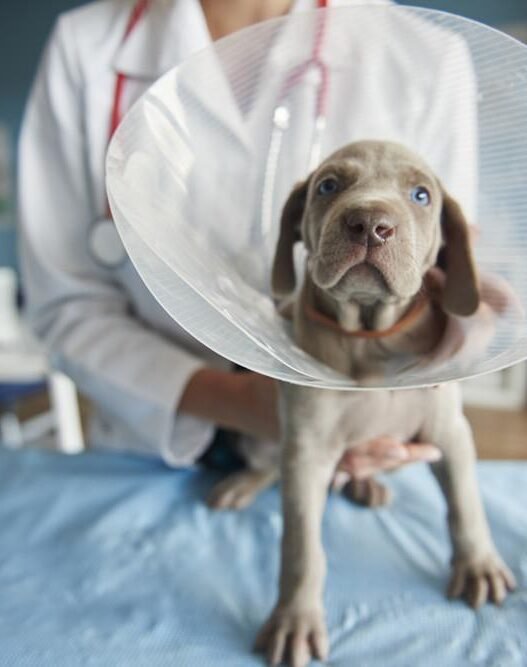
- You keep the cone or collar on so licking does not restart pain.
- You prevent running, jumping, and rough play until the staff clears it.
You also watch for warning signs.
- Refusal to eat for a full day.
- Hard panting at rest in a cool room.
- Swelling, heat, or wetness at the incision.
If you see these signs, you should contact the hospital at once. Quick action often prevents worse pain and more cost.
Pain Management for Senior Animals
Older animals often live with quiet joint pain. You may think slow steps are just an age. Often they are in pain. Animal hospitals treat senior pain with gentle, steady care.
Staff may suggest three linked steps.
- Yearly or twice-yearly exams with joint checks.
- Daily joint support medicine or food.
- Simple home changes such as ramps, non-slip rugs, and raised bowls.
These changes can restore sleep and play. You may see your animal move with more ease. Pain control can extend not only life span but also comfort.
Your Role in Your Animal’s Comfort
You stand at the center of pain care. Staff can plan. You carry it out. You speak for an animal that cannot use words.
You help best when you do three things.
- You share clear details about behavior changes.
- You ask questions until each step of the plan makes sense.
- You return for follow up even when things seem fine.
Pain steals quality of life. With a strong partnership between you and the animal hospital, pain does not have to win. You can guard your animal from quite suffering and give steady relief each day.