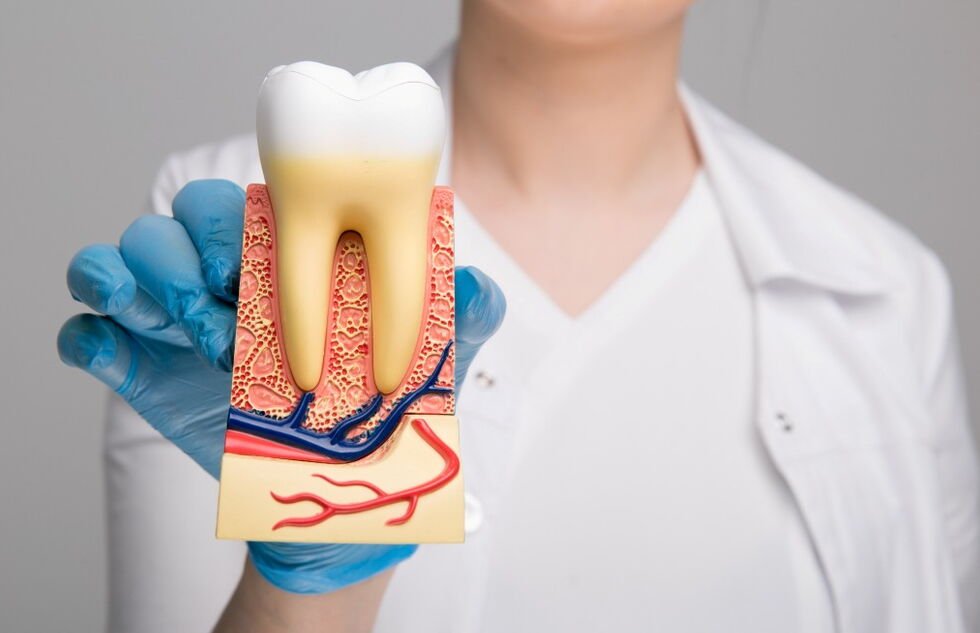
Cosmetic work can change how you feel when you look in the mirror. Yet those crowns, veneers, and fillings only stay strong when you protect them. That protection starts with routine general care. Regular cleanings, exams, and X‑rays help your dentist spot tiny cracks, stains, or loose edges before they turn into painful problems. Careful polishing keeps surfaces smooth so stain and plaque do not grab on. Thoughtful bite checks prevent uneven pressure that can chip or break cosmetic work. A dentist in West Tampa can also coach you on daily habits that keep your smile steady. Simple changes with brushing, flossing, and diet can add years to your restorations. Each visit builds on the last visit. Over time your general care plan becomes a shield for your cosmetic work. You gain a smile that not only looks good today. It also stays strong through stress and age.
Why general dentistry matters after cosmetic work
Cosmetic treatment fixes what you see. General care protects what you keep. You need both for a steady smile.
Teeth and gums change with age, stress, and disease. Old fillings leak. Gums pull back. Jaws shift. These changes can weaken crowns, veneers, and bonding. Routine general visits catch these shifts early. You then fix simple problems before they destroy your cosmetic work.
The Centers for Disease Control and Prevention explains that untreated tooth decay and gum disease remain common in adults of all ages. Those same conditions often start under or around cosmetic work. The damage hides until it hurts. Regular checks keep that damage from growing.
Key general dentistry visits that protect cosmetic work
Three routine services protect cosmetic treatment over time.
- Professional cleanings
- Complete exams
- Dental X rays
During a cleaning, the hygienist removes hard tartar that brushing cannot reach. That tartar often forms at the edge of crowns and veneers. If it stays, it traps bacteria. That bacteria then eat into the tooth under your restoration. Clean edges mean fewer hidden cavities.
During an exam, the dentist checks each restoration. You may hear comments on fit, margins, and bite. The dentist looks for looseness, tiny gaps, stains at the edges, changes in color, and wear spots. These signs show early failure. Quick repair or replacement saves money and pain.
During X-rays, hidden decay or bone loss shows up. The National Institute of Dental and Craniofacial Research explains that X-rays help find decay between teeth and below the gum line. That hidden decay can sit under a crown or near a veneer. You need pictures to see it.
Daily habits that extend the life of restorations
Office visits help. Home habits decide how long your cosmetic work lasts. Three daily steps matter most.
- Brush two times each day with fluoride toothpaste
- Clean between teeth one time each day
- Rinse with water after meals and snacks
Gentle brushing along the gum line keeps plaque from building around veneers and crowns. Floss or interdental picks clear food from tight spots. Water after meals cuts the sugar time on your teeth.
Your dentist may also suggest a night guard if you clench or grind. Grinding cracks, porcelain and chips, bonding. A custom guard spreads the force and protects both natural teeth and restorations.
How general care and cosmetic work fit together
General care and cosmetic work support each other. You can think of them as three linked goals.
- Health of teeth and gums
- Strength of restorations
- Shape and color of your smile
When one fails, the others suffer. Gum disease can loosen crowns. A broken filling can shift your bite and chip a veneer. A stain on bonding can change how your whole smile looks. Regular visits keep all three goals in line.
Comparison of untreated teeth and teeth with regular general care
| Factor | Teeth without regular care | Teeth with regular general care
|
| Crowns and veneers | Higher risk of early crack, stain, or looseness | Longer lasting fit and color |
| Gum health | More bleeding, swelling, and recession | Stable gums that hold restorations in place |
| Hidden decay | Often found late when pain starts | Often found early on X rays |
| Cost over time | More urgent visits and full replacements | More repairs and fewer full replacements |
| Comfort while chewing | More sharp edges and bite pain | Smoother bite and easier chewing |
When to call your general dentist about cosmetic work
Do not wait for severe pain. Reach out if you notice any of these three types of change.
- New stain or dark line at the edge of a crown, veneer, or filling
- Rough spot, chip, or crack you can feel with your tongue
- Soreness when you chew or when you drink hot or cold liquids
Quick checks often turn into small fixes. A simple polish, bite adjustment, or repair can add years to your cosmetic work. Waiting can mean a root canal or extraction.
Building a long-term plan for your smile
You do not need a perfect record to protect your restorations. You need a clear plan and steady steps.
- Set visits every six months, or more often if your dentist suggests
- Follow home care steps that fit your age, health, and risk
- Talk about any change you see or feel, even if it seems small
General dentistry does not erase past damage. It guides what you have now, so it lasts. With regular care, your crowns, veneers, and fillings can stay strong through many years of use. Your smile then reflects not only one day of treatment. It reflects steady care and clear choices over time.