Missing teeth do more than change how you look. They change how you eat, speak, and even how you feel in a room. Implant dentistry gives you a way to fix both your smile and your bite with one focused treatment. You get teeth that stay in place when you chew. You also get support for your jaw, so your face keeps its shape. In Boston cosmetic dentistry often starts with whitening or veneers. Yet implants reach deeper and give you strength where you need it most. This blog explains how implants work, how they protect your other teeth, and what you can expect during treatment. You will see how a strong bite and a calm smile connect. You will also learn simple steps to decide if implants fit your needs and your daily life.
What A Dental Implant Really Is
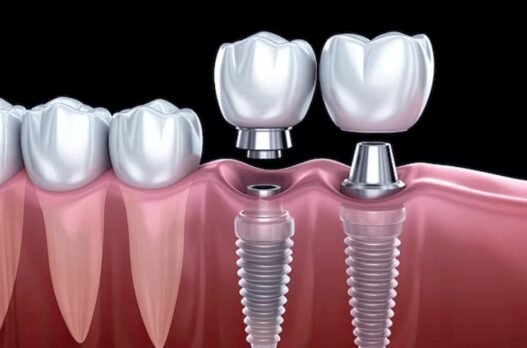
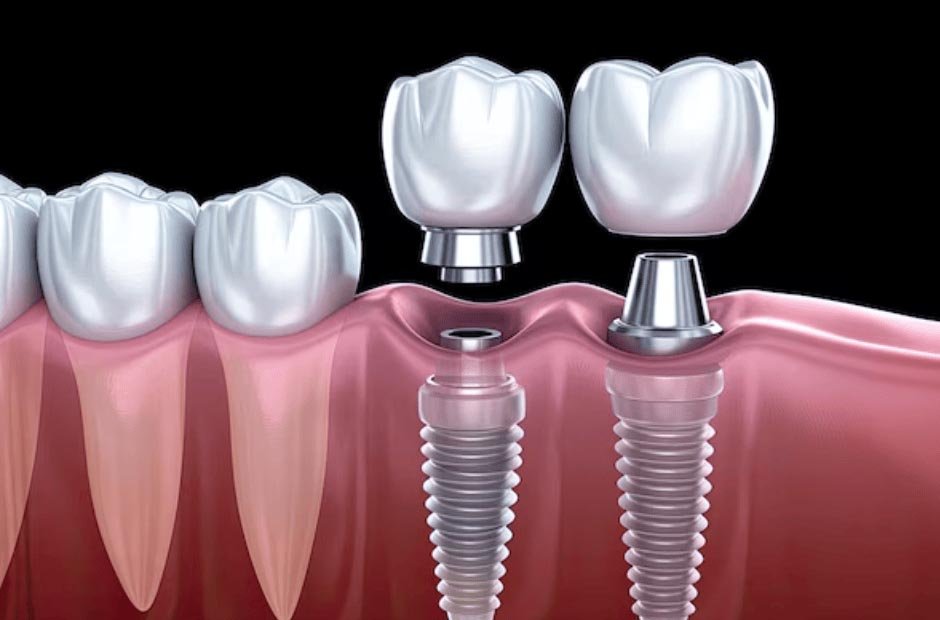
A dental implant is a small post that sits in your jaw where a tooth root used to be. A crown then attaches to that post. The parts are simple.
- The implant post replaces the root.
- The connector piece holds the crown.
- The crown looks and works like a tooth.
Each piece has one job. Together, they let you chew, speak, and smile with steady support.
You can read a clear overview of implants from the National Institute of Dental and Craniofacial Research. It explains how implants sit in bone and why that matters for long-term strength.
How Implants Change Your Bite And Chewing
Missing teeth force your jaw to work in a new way. You may chew on one side. You may avoid certain foods. This strain spreads to your jaw joint and your neck. Implants help you reset your bite.
- You can chew on both sides again.
- You gain pressure strength that feels close to natural teeth.
- You stop grinding one small group of teeth.
Each of these changes protects your jaw joint. It also protects the teeth you still have. A steady bite lowers the risk of cracks, chips, and gum pain.
How Implants Change Your Smile And Face Shape
When you lose a tooth, the bone under that tooth starts to shrink. Dentures and bridges sit on top of the gums. They do not give the bone the pressure it needs. Implants do. The post sends chewing force into the bone. That helps slow bone loss.
Over time, this support can help your face keep a fuller shape. It can soften early sagging near the mouth. It can also stop nearby teeth from tipping into the empty space. That protection keeps your smile line more even.
Implants Compared To Other Tooth Replacement Options
Each tooth replacement choice has tradeoffs. The table below shows key points for one missing tooth.
| Feature | Dental Implant | Fixed Bridge | Removable Partial Denture
|
| Stability when chewing | High | High | Low to medium |
| Support for jaw bone | Yes | No | No |
| Impact on nearby teeth | None | Requires shaping of nearby teeth | Clips or rests on nearby teeth |
| Comfort over time | High | Medium to high | Varies and may rub |
| Can remove at home | No | No | Yes |
| Typical lifespan | Long with care | Moderate | Shorter |
Implants often cost more at first. Yet they avoid cutting down healthy teeth. They also cut the need for repeat work that other options may require.
What To Expect During Implant Treatment
The process takes planning, then a few steps. Each step has a clear goal.
- First visit. You share your health history and your goals. The dentist checks your teeth, gums, and jaw.
- X-rays or scans show bone height and shape.
- Implant placement. The post goes into the bone. A small cover protects the site.
- Healing time. Bone grows around the post. This forms a strong bond.
- Abutment and crown. The connector and crown attach. The dentist adjusts the bite.
The American Dental Association MouthHealthy page on dental implants gives more detail on each step. It also lists questions you can bring to your visit.
Safety, Age, and Health Questions
Implants are not only for young adults. Many people in their fifties, sixties, and beyond choose them. The key is overall health and gum health. You share your full medical history. You also share all medicines. The care team then weighs healing time and risk.
Three common limits are:
- Uncontrolled diabetes.
- Heavy tobacco use.
- Active gum infection.
These do not always block implants. Yet they need careful control before any surgery.
How To Care For Implants At Home
Implants need the same care as natural teeth. You clean them every day to stop gum infection around the post. That infection can cause bone loss.
- Brush two times each day with a soft brush.
- Clean between teeth once each day.
- Use any special tools your dentist suggests.
You still need regular checkups. The team checks the gum seal, the bite, and the crown. They also clean spots that are hard to reach at home.
How To Decide If Implants Fit Your Life
Choosing implants is both a health choice and a life choice. Three questions can guide you.
- Do you want a fixed option that feels close to natural teeth?
- Are you ready for a process that takes months, not days?
- Can you keep steady brushing, cleaning, and checkups?
If you answer yes, implants often give strong long-term value. They protect your bite. They also give you a calm smile that feels like your own.