Key Takeaways
- Research comparable market sales to know your home’s value before accepting a cash offer.
- Understand how property condition and repair needs impact the fairness of an offer.
- Evaluate cash buyers’ credibility and seek multiple offers for leverage.
- Use guidance from real estate professionals and beware of common scams or red flags.
Understanding Cash Offers in Real Estate
Receiving a cash offer when selling your home can fast-track the process and minimize hassle, but it is important to ensure that the proposal accurately reflects your property’s market value. Financial certainty and speed are key draws for many homeowners, but sellers should always determine if the amount is fair before committing. For homeowners eager to sell quick, cash offers can seem like the easy answer; however, thoughtful evaluation is crucial to avoiding undervaluation or potential regrets.
Cash buyers—often investors or companies—aim to streamline the transaction and sidestep lengthy bank processes. This can be advantageous, eliminating appraisal or loan approval delays. Yet, streamlined deals don’t eliminate the need for due diligence. Properly weighing and comparing cash offers can protect your equity and financial interests.
Research Local Market Conditions
Start with a thorough review of recent home sales in your neighborhood. Look for homes similar in size, layout, location, and condition. These comparable sales, often called “comps,” set a benchmark for your property’s fair market value. Don’t simply focus on list prices; look at homes that have sold in the last three to six months to get an accurate view of the current climate.
Utilizing online resources such as Realtor.com to track average days on market and pricing trends can help verify your local research. Staying informed ensures you approach negotiations from a place of knowledge, not urgency.
If you’re considering a quick sale for convenience or to avoid renovations, you may want to learn about the types of investor deals commonly available in your area, as these buyers tend to offer cash and close quickly—but typically at a discount. Pay attention to whether the market favors buyers or sellers, as this dynamic can greatly influence both the speed of your sale and the offers you’re likely to receive.
Evaluate Your Home’s Condition
The physical state of your property is a significant factor in its value. A well-maintained home, with updated systems and appealing aesthetics, commands a higher price than one with deferred maintenance or visible repairs. Specific elements to inspect include:
- Structural Integrity:Check for cracks, water damage, or sagging in the foundation and supporting walls.
- Major Systems:Ensure all utilities—plumbing, electrical, and HVAC—function efficiently and meet code requirements.
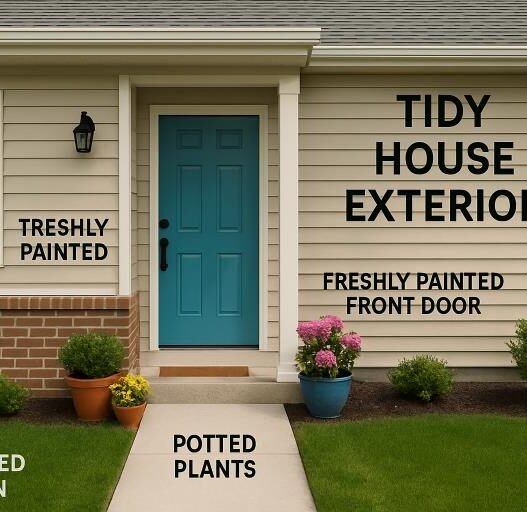
- Cosmetic Appeal:Assess whether upgrades like fresh paint, new flooring, or curb appeal boosters are needed.
Homes requiring extensive repairs typically draw lower cash offers, as buyers account for their renovation budget and risks.
Understand the 70% Rule
Cash buyers, particularly investors, often rely on the 70% rule to determine how much to offer for a property. This means they usually pay only up to 70% of the home’s after-repair value (ARV), deducting the estimated repair costs.
Verify the Buyer’s Credibility
Not all cash buyers offer the same level of professionalism or reliability. Protect yourself by:
- Checking Reviews:Look up past customer feedback and success stories, preferably on reputable platforms.
- Requesting Proof of Funds:Ask for a recent bank statement or letter from a financial institution verifying the buyer’s cash availability.
- Consulting the BBB:See if the company or buyer has a solid Better Business Bureau (BBB) rating, which indicates their legitimacy.
Legitimate buyers will have no issue providing credentials, helping you avoid scams and wasted time.
Compare Multiple Offers
Never accept the first cash offer without seeking additional bids. By obtaining multiple offers, you can better understand the true market appetite for your home and create leverage in negotiations. Weigh the terms—not just the top-line offer amount—since things like timeline, contingencies, and flexibility can add significant value to your transaction.
Consult Real Estate Professionals
Consulting with real estate agents or professional appraisers can provide an impartial and expert assessment of your home’s worth in today’s market. These experts rely on up-to-date local data and experience with current buyers to give you a fair price range and negotiation strategy.
A professional opinion also protects you from emotional decision-making, helping you understand how cash offers compare to traditional listings and what tradeoffs to expect.
Be Wary of Red Flags
Common Warning Signs to Avoid
- Unrealistically High Offers:Cash buyers proposing prices well above market value may have hidden motives—often retracting or renegotiating at the last minute.
- Pressure to Accept Fast:If you’re rushed to sign or decide without all your questions answered, this could signal a red flag.
- Requests for Upfront Fees:Authentic buyers typically do not ask for any payment before closing the deal.
Recognizing these signs allows you to protect your equity and peace of mind.
Final Thoughts
Evaluating the fairness of a cash offer requires a blend of research, objective property assessment, and verification of buyer credibility. By understanding market dynamics and red flags—and seeking professional guidance—you empower yourself to achieve a transaction that maximizes your home’s value and minimizes unnecessary risks. With a careful approach, you can confidently navigate the process and make the best choice for your unique situation.