Construction projects have long been known for their significant impact on the environment, contributing not only to resource depletion but also to pollution and waste. In an era where sustainability is coming to the forefront, it becomes imperative for stakeholders in the construction industry to prioritize environmental concerns. This article explores how the industry can align with eco-friendly practices and reduce its environmental footprint during construction endeavors.
Understanding the Environmental Impact of Construction Waste
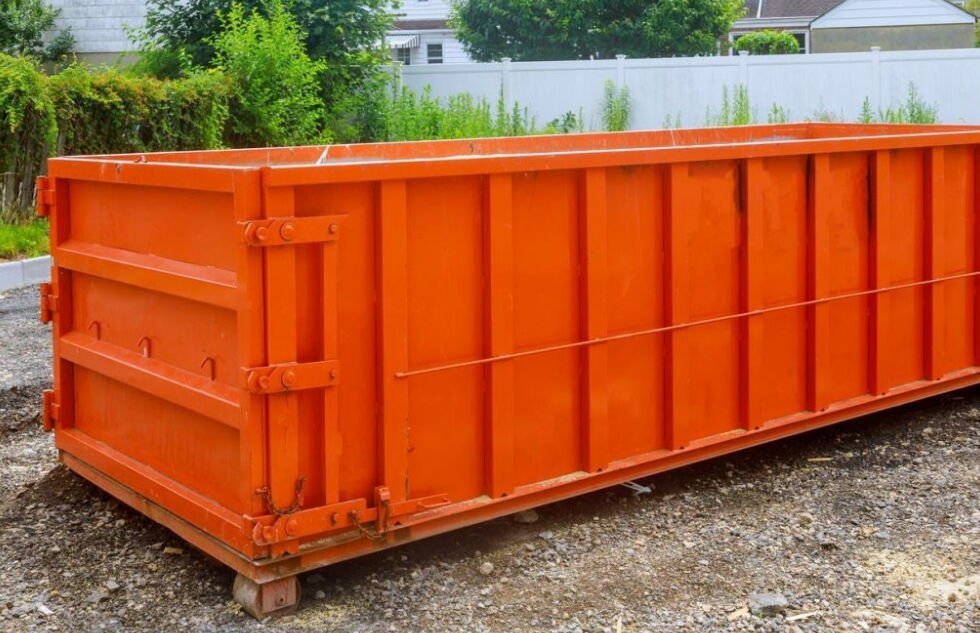
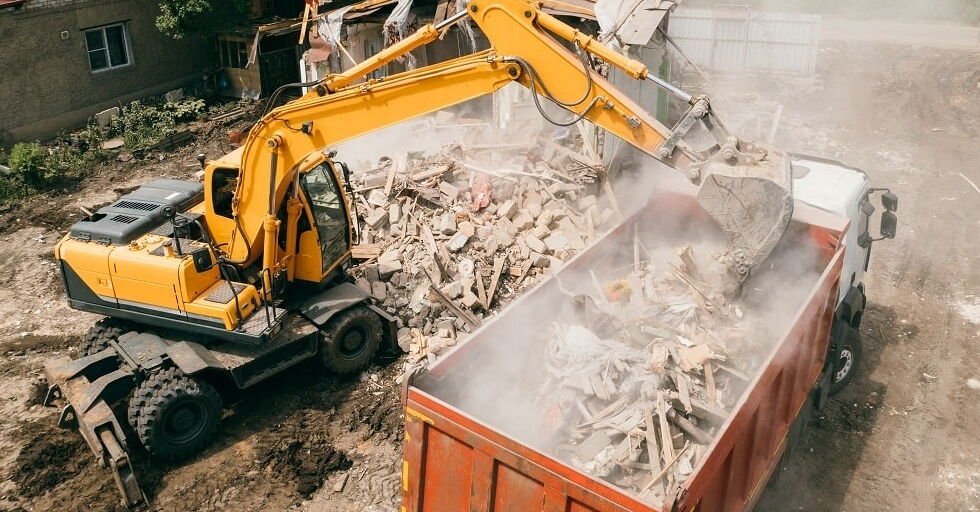
Construction activities generate a staggering amount of waste, putting a strain on the environment. According to the United States Environmental Protection Agency, a whopping 600 million tons of construction and demolition debris were generated in the country in 2018 alone. This volume underscores the need for effective waste management and recycling strategies.
The sheer magnitude of construction waste often leads to landfills reaching their capacity rapidly, a situation exacerbated by improper disposal practices. Mismanaged waste not only tarnishes natural landscapes but also poses threats to local wildlife and ecosystems. Therefore, it’s crucial to implement stringent recycling strategies and explore sustainable alternatives to traditional materials.
Adopting sustainable waste management practices in the construction sector can mitigate environmental harm and support circular economies. Recycling materials like concrete and metals and reusing salvaged resources are practical ways to minimize waste. By doing so, the industry not only reduces its carbon footprint but also contributes to a sustainable future.
Resource Consumption in Manufacturing Building Materials
The resource intensity of manufacturing building materials is another critical environmental concern in construction. Science Direct reports that globally, 40-50% of energy production and 16% of available water resources are consumed in the creation of construction materials, many of which end up as waste. This points to a glaring inefficiency that needs addressing through innovative construction techniques and resource management.
Traditionally, the construction industry has relied heavily on raw materials like limestone, clay, and silica, which require substantial energy to process and transport. This dependency not only adds to depletion of natural resources but also emits a significant amount of greenhouse gases. Pursuing sustainable alternatives, such as using locally sourced materials or opting for renewable resources, could mitigate this impact.
Incorporating energy-efficient processes and materials in construction projects can significantly reduce overall energy consumption. Through the adoption of green building practices and the use of environmentally-friendly materials, significant strides can be made toward achieving sustainability goals. Emphasizing the life cycle assessment of materials can also provide insights into minimizing energy usage and waste generation.
Reducing Material Waste During Construction
A considerable amount of material waste is generated on construction sites due to inefficiencies in planning and material handling. Science Direct highlights that up to 30% of all building materials delivered to a construction site can become waste. This statistic emphasizes the importance of improving material management to lower the adverse environmental impact.
Effective planning and inventory management are essential strategies to reduce material waste. By accurately forecasting material needs and optimizing supply chain processes, construction firms can ensure only necessary materials are procured, reducing excess waste. Furthermore, implementing prefabrication and modular construction techniques can enhance efficiency and minimize material wastage significantly.
Promoting awareness and training among construction workers regarding material usage can also play an instrumental role. Encouraging on-site recycling and upcycling can lead to more responsible material handling practices. Ultimately, such initiatives not only lessen environmental damage but also enhance project cost efficiency and community relations.
In conclusion, prioritizing environmental concerns in construction projects is not just a choice but a necessity for a sustainable future. By addressing construction waste, resource consumption, and material inefficiencies, the construction industry can significantly diminish its environmental impact. As more companies embrace eco-friendly practices, the industry can contribute positively towards global sustainability efforts and environmental conservation.