The world of education is changing rapidly, and with it, the ways students explore and seize new opportunities. Traditional methods of student recruitment—relying heavily on fairs, brochures, and generic online listings—are no longer sufficient in an age where information is abundant, but attention is limited. Today’s students are digital natives, accustomed to seamless, personalized experiences. To engage them effectively, educational institutions must rethink how opportunities are presented and accessed.
Understanding the Modern Student Mindset
Students today aren’t just looking for a place to study; they’re seeking experiences, communities, and pathways that align with their personal ambitions. They want clarity on career outcomes, practical learning experiences, and opportunities that match their individual goals. This shift in expectations means that recruitment strategies must go beyond generic messaging. Students are more likely to engage when content is relevant, interactive, and resonates with their unique interests.
The challenge lies in the sheer volume of choices available. With numerous programs, universities, and extracurricular options, students can feel overwhelmed. Simplifying the discovery process is crucial. By creating intuitive platforms and guidance systems, institutions can help students navigate their options confidently, ensuring they find opportunities that genuinely fit.
Leveraging Technology for Personalized Discovery
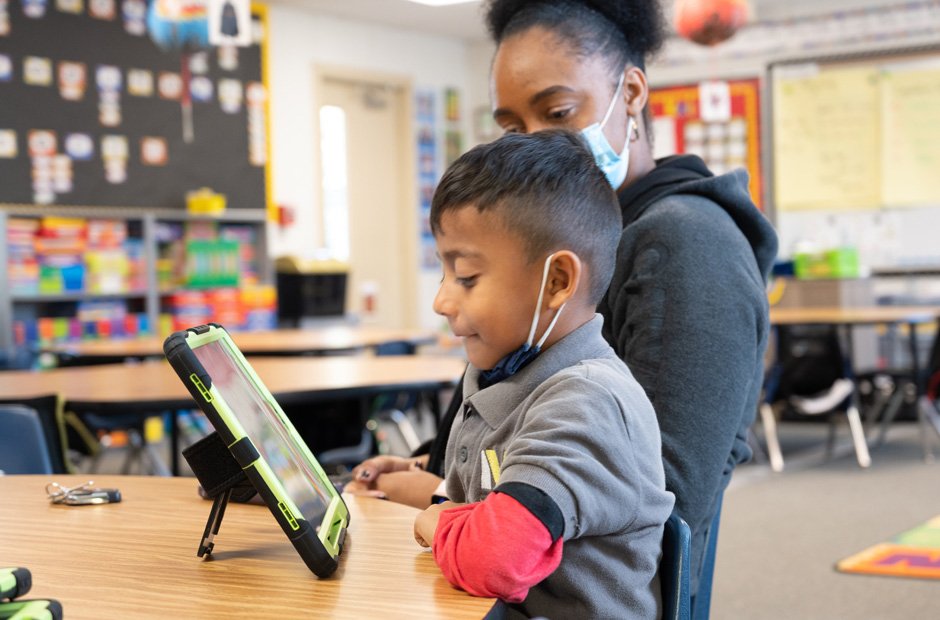
Technology plays a central role in transforming how students uncover opportunities. Data-driven platforms allow institutions to provide tailored recommendations based on a student’s interests, academic performance, and career aspirations. Artificial intelligence, for example, can guide students toward programs or internships they may not have considered but are well suited for.
Interactive tools such as virtual campus tours, online workshops, and immersive experiences also bring opportunities to life. Students can explore programs and communities in a way that static brochures can’t replicate. Gamified applications and decision-making simulations make the process engaging, helping students make more informed choices while keeping them motivated throughout their journey.
Community and Peer Influence
While technology is powerful, human connections remain vital. Peer-to-peer networks, mentorship programs, and alumni engagement can greatly influence student decisions. When students see tangible success stories or receive guidance from those who’ve walked similar paths, they gain confidence and clarity. Institutions that actively foster communities of support can enhance student engagement and ensure opportunities are discovered in a meaningful context.
Social media channels also play a pivotal role. Students increasingly turn to authentic voices rather than institutional advertising alone. Highlighting real experiences, achievements, and challenges through platforms like Instagram, TikTok, or student blogs can bridge the gap between promotional messaging and genuine insight into campus life.
Creative Campaigns That Resonate
Innovative approaches to recruitment are essential. Moving away from one-size-fits-all messaging allows institutions to connect with students in ways that feel personal and engaging. Experiential campaigns—whether digital challenges, interactive webinars, or story-driven content—create memorable touchpoints. For instance, a student recruitment campaign that emphasizes authentic experiences and clear pathways to success can significantly boost engagement and conversion, reaching students who might have previously overlooked certain programs.
Embracing Flexibility and Accessibility
Finally, accessibility must be at the forefront of reimagined recruitment strategies. Opportunities should be easy to find and explore, regardless of a student’s location, socioeconomic background, or prior experience. Flexible formats, multilingual content, and mobile-friendly platforms ensure that no student is left behind. By lowering barriers, institutions make it easier for students to discover and pursue opportunities that align with their ambitions.
Conclusion
Reimagining how students discover opportunities requires a multifaceted approach, blending technology, personalized experiences, community support, and creative campaigns. Educational institutions that prioritize student-centered discovery and engagement are better equipped to attract motivated learners and empower them to achieve their goals. By putting students at the heart of the process, the journey from curiosity to commitment becomes not just easier but inspiring.