For many professionals and digital nomads, the dream of relocating to Asia is driven by a desire for adventure, cultural immersion, and a higher quality of life. The region offers a vibrant mix of bustling street markets, ancient temples, and hyper-modern infrastructure. However, the excitement of a new move can quickly turn into stress when it comes to the logistics of housing. Finding a place to live is not just about securing a roof over your head; it is about finding a sanctuary where you can recharge after exploring a frenetic new city.
Whether you are moving for a corporate posting or starting a remote work journey, securing the right accommodation is the cornerstone of a successful transition. Here is how to navigate the Asian property market to find a modern condo that truly feels like home.
Understanding the Cost and Lifestyle Upgrade
One of the most compelling reasons to relocate to Southeast Asia is the ability to significantly upgrade your lifestyle without increasing your budget. In many Western capitals, a central apartment with a gym, pool, and concierge is a luxury reserved for the wealthy. In major Asian hubs, these amenities are often standard expectations for modern developments.
The financial difference can be staggering. For example, recent data indicates that rent prices in London are nearly 250% higher than in Bangkok, allowing expats to access premium living spaces for a fraction of what they would pay at home. This affordability means you can often prioritize features that enhance your daily life, such as a balcony with a skyline view, 24-hour security, or proximity to international schools, without stretching your finances. Beyond just the rent, the cost of services such as housekeeping, laundry, and food delivery is exceptionally low compared to Western standards. This allows for a lifestyle where domestic chores are outsourced, freeing up your time for work or exploration.
Defining Your Ideal Living Space
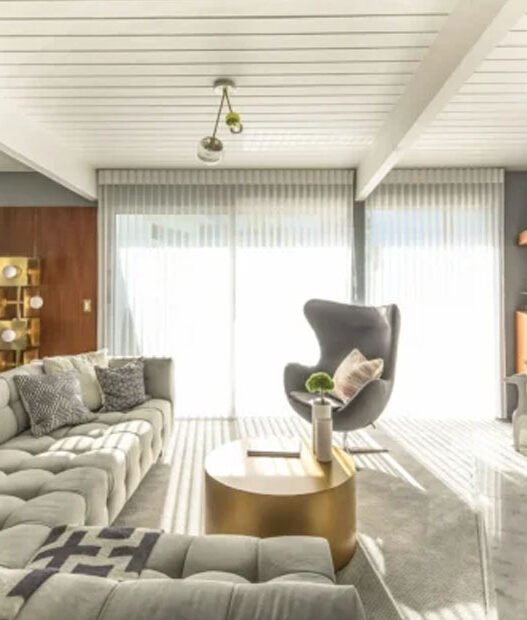
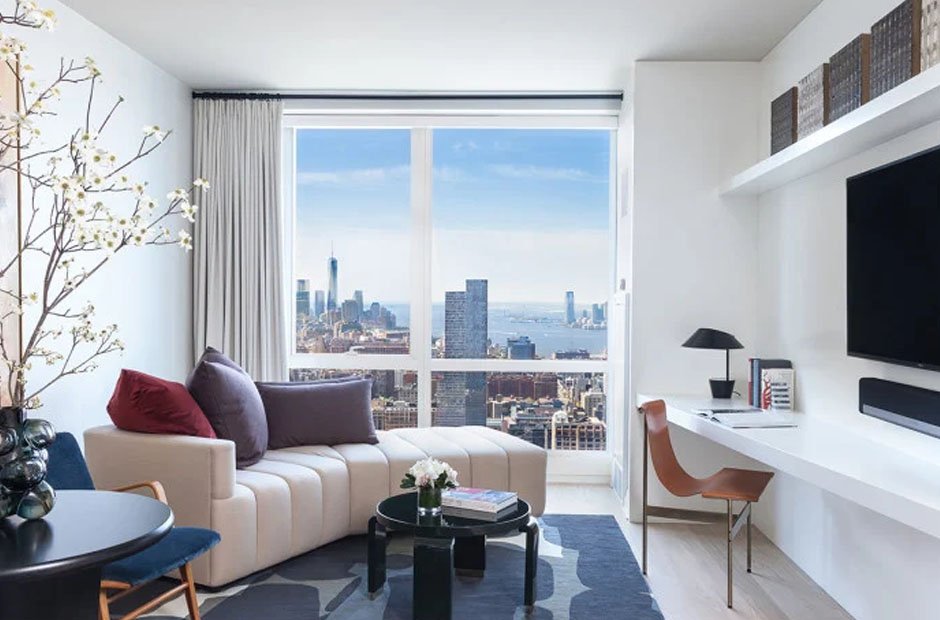
Before you begin scrolling through property listings, it is essential to define what “home” means to you in this new context. Modern condos in Asia often come fully furnished, but the style and layout can vary drastically. If you are planning to work from home, look for units with a dedicated study area or at least a layout that separates the living room from the bedroom to maintain a healthy work-life balance.
When you start your search for a condominium for rent in Bangkok or similar metropolitan areas, prioritize buildings that offer convenient access to mass transit. In cities with heavy traffic, being within walking distance of a Skytrain (BTS) or subway (MRT) station can save you hours of commute time every week.
Additionally, consider the orientation of the unit. In tropical climates, the direction your unit faces is crucial. A west-facing unit might retain heat throughout the afternoon, increasing your cooling costs, while a north-facing unit generally stays cooler. Look for “mixed-use” developments that have supermarkets or convenience stores on the ground floor, as these add a layer of convenience that is invaluable during the rainy season or late nights.
The Value of Local Expertise
While online portals and social media groups are great starting points, they can sometimes present an incomplete picture of the market. Photos can be outdated, and “available” listings might already be taken. This is where local knowledge becomes a powerful tool. Navigating a foreign real estate market involves understanding local laws, lease structures, and negotiation customs.
As discussed in articles regarding why a buyer’s agent is important, leveraging professional expertise can help you avoid common pitfalls. While that advice often targets investors, the principle holds true for renters as well. A local expert can guide you toward reputable landlords, help you decipher lease agreements written in the local language, and alert you to building-specific issues like ongoing construction noise or maintenance problems that would not appear in a glossy online listing.
Practical Considerations for the Lease
Once you have identified a potential condo, the administrative side of the process begins. Leases in Asia are often quite different from those in the US or Europe. Being prepared with the right documents and expectations will smooth out the process.
Here are key factors to verify before signing:
- Contract Duration: Most standard leases require a 12-month commitment. Shorter leases (6 months) are possible but often come at a premium price.
- Security Deposit: Expect to pay a security deposit equivalent to two months of rent, plus the first month’s rent in advance. Ensure the contract clearly states the conditions for the return of this deposit.
- Utilities: Clarify whether electricity and water are billed directly by the government utility provider or if the building adds a surcharge. Government rates are significantly cheaper and more transparent.
- Inventory List: Since many units are furnished, insist on a detailed inventory list with photos attached to the contract to avoid disputes over “damages” when you move out. Check the condition of air conditioning units and water heaters, specifically, as these are high-wear items in the tropical climate.
Creating Your Sanctuary
Finally, remember that a modern condo is a blank canvas. Even if it comes furnished, you will need to add personal touches to make it feel like home rather than a hotel room. Small investments like quality bedding, warm lighting, and indoor plants can soften the modern, sometimes sterile aesthetic of high-rise apartments.
Relocating to Asia is an adventure that offers a unique blend of energy and calm. By focusing on modern conveniences, leveraging local help, and understanding the financial benefits, you can find a living space that serves as the perfect base for your new life abroad.