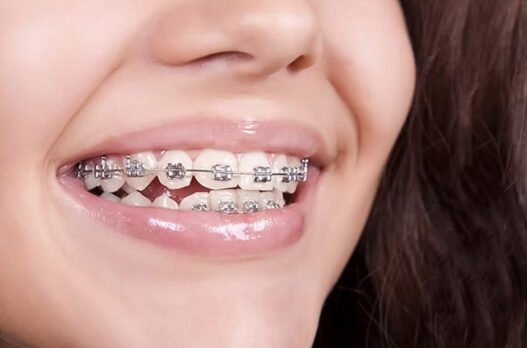
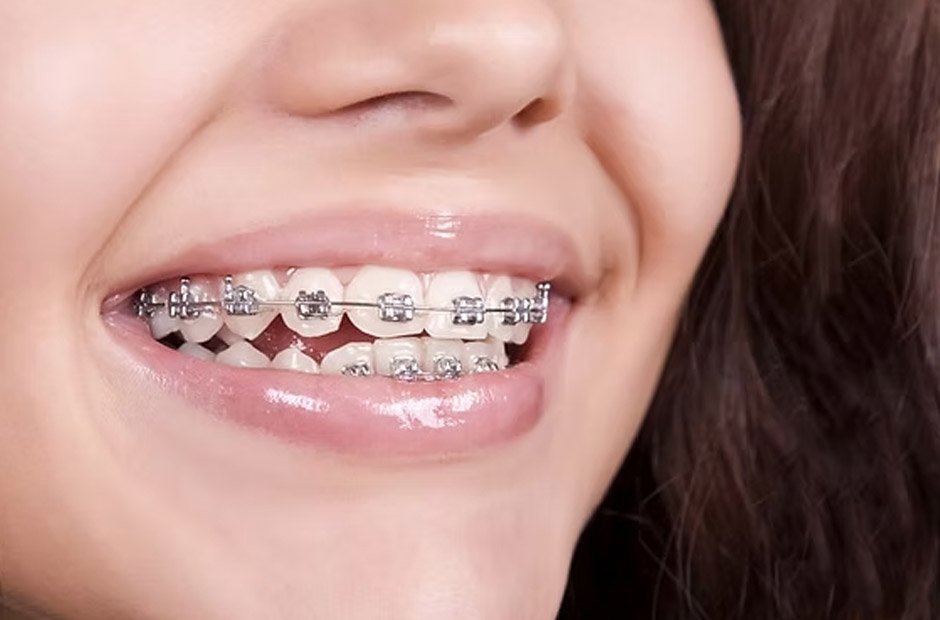
Healthy teeth start early. So does a steady smile. When you bring your child to a trusted family dentist, you do more than fix cavities. You open a door to early orthodontic care that can protect your child from pain, speech trouble, and expensive treatment later in life. A dentist in Southside Place, TX can watch how your child’s teeth grow, how the jaw forms, and how the bite comes together. Then small steps can guide that growth. Early checks can spot crowding, missing teeth, or habits like thumb sucking before they cause damage. Parents often wait until the teen years to think about braces. That delay can limit options and strain your budget. This blog explains how family dentistry and early orthodontic care work together, why timing matters, and what simple visits can reveal about your child’s future smile.
Why family dentistry matters for your child
You bring your child to the same office for cleanings, fillings, and advice. That steady care builds trust. It also gives the dentist a clear record of change over time.
During routine visits, the dentist:
- Checks baby teeth and adult teeth as they come in
- Watches jaw growth and face shape
- Looks for early warning signs of bite problems
This steady watch can catch trouble before it grows. You then get clear choices instead of rushed decisions.
The American Dental Association explains that regular visits help prevent tooth decay and support growth checks.
What early orthodontic problems look like
You may not know what is normal and what is not. Early orthodontic problems often show up in three ways.
- How the teeth line up
- How the jaws meet
- How your child eats and speaks
Common signs include:
- Crowded or crooked front teeth in the early grade school years
- Teeth that stick out
- Top teeth that bite behind the bottom teeth
- Open space between the top and bottom teeth when your child bites
- Late loss of baby teeth or very early loss of baby teeth
- Thumb or finger sucking that continues after age 4
- Chipped front teeth from falls or chewing accidents
A family dentist sees these patterns often. That experience helps you sort out what needs quick action and what only needs watchful waiting.
How family dentists and orthodontists work together
Family dentistry and orthodontic care are linked. Each supports the other.
In many cases, the family dentist:
- Spots early bite problems during cleanings
- Orders X-rays to check hidden teeth and jaw growth
- Refer your child to an orthodontist at the right time
- Helps keep teeth clean during braces or other treatment
At the same time, the orthodontist:
- Uses the dentist’s records to plan safe treatment
- Checks that tooth and jaw changes stay healthy
- Sends updates so you stay on one clear care plan
This shared care works best when your child starts visits early and keeps them steady. The American Association of Orthodontists advises that children see an orthodontist by age 7. You can review that guidance at the Mayo Clinic’s overview of braces and growth.
Why timing matters for early orthodontic care
Childhood is a short window. During these years, teeth and bones move more easily. That fact gives you three strong advantages.
- You can guide jaw growth instead of only moving teeth.
- You can create space for adult teeth before they crowd.
- You can stop harmful habits before they change the bite.
When you wait until the teen years, the jaw is more set. Treatment may still work. Yet it may take longer, cost more, or need tooth removal. In some severe cases, it may even need surgery in adulthood.
Early care compared with late care
The table below shows general differences between early and late orthodontic care. Each child is different. Still, the pattern is clear.
| Feature | Early care
(around ages 7 to 11) |
Later care
(teen years and older)
|
| Main goal | Guide growth and prevent severe problems | Correct problems that are already set |
| Jaw growth | Easier to influence jaw size and position | Harder to change jaw. May need surgery in some cases |
| Tooth removal | Often avoided through early space making | More common when crowding is severe |
| Treatment time | Often shorter or split into short phases | Often longer single phase |
| Cost over time | May reduce need for complex treatment later | Higher risk of long, complex, costly care |
| Comfort and stress | Gradual change with simpler devices | More intense change in a tighter time frame |
What happens during early orthodontic checks
An early visit does not always lead to braces. Many times it leads to a simple plan.
During an early orthodontic check, you can expect three steps.
- Review and talk. You share your child’s habits, speech issues, and any pain.
- Exam and pictures. The dentist or orthodontist looks at teeth, bite, and facial balance. X-rays or photos may be taken.
- Plan and follow up. You hear if treatment is needed now, later, or not at all. You also hear how often to return.
Early treatment might include:
- Simple devices that widen the upper jaw
- Space maintainers to hold room for adult teeth
- Short phases of braces on a few teeth
- Help with breaking thumb or finger sucking
Your role as a parent or caregiver
You guide the daily choices that protect your child’s mouth. Three steps matter most.
- Schedule regular dental visits starting with the first tooth or by age 1.
- Watch for changes in bite, speech, or chewing and speak up.
- Support treatment at home with brushing, flossing, and healthy food.
Children look to you for calm. When you treat dental visits as normal and safe, your child learns to do the same. That trust can last into adulthood.
Taking the next step
You do not need to wait for a clear problem to ask questions. You can raise concerns about crowding, jaw shape, or habits at any routine visit. The dentist can then guide you on timing, cost, and choices.
Early action protects more than a smile. It protects how your child eats, speaks, and feels in social settings. That protection starts with simple family dental visits and grows into smart orthodontic care at the right time.