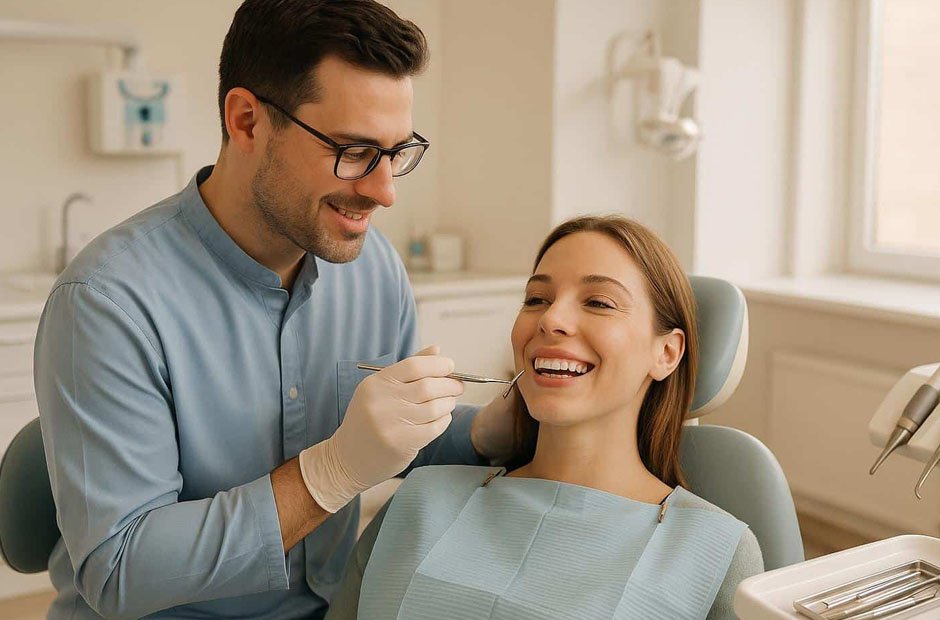
Your mouth tells a story long before pain begins. A personalized preventive plan helps you change that story. It gives you clear steps to protect your teeth, gums, and health. It also keeps small problems from turning into emergencies that drain your time and money. With a trusted dentist in Greenlawn, NY, you do not get a one size fits all routine. You get a plan that fits your age, health, habits, and family history. This plan can guide how often you need cleanings, which screenings you need, and what you should do at home each day. It can also help you manage fear, avoid missed visits, and feel more in control. You deserve care that sees you as a person, not a chart. A personalized plan gives you that control and protects your family’s future health.
Why routine care is not enough
Standard checkups help. Yet they often miss what matters most to you and your family. Your risks are not the same as your neighbor’s. Your child’s teeth do not face the same threats as your own.
Routine care often gives everyone the same schedule. The same advice. The same reminders. That can leave gaps. Silent decay. Gum disease that grows without pain. Worn teeth from grinding in your sleep.
A preventive plan closes those gaps. It matches care to your real life. It respects your time, your budget, and your limits.
How a personalized preventive plan works
Your plan starts with three simple steps.
- First, your dentist listens to your health story and your goals.
- Then, your dentist checks your mouth with exams, x rays, and gum checks as needed.
- Finally, your dentist builds a clear plan that you can follow at home and in the office.
The plan may cover.
- How often you need cleanings each year
- Which x rays or screenings you need and when
- Fluoride and sealants for children at higher risk
- Night guards for grinding or clenching
- Steps to cut sugar and tobacco use
- Simple routines for brushing and flossing that you can keep
You leave with a written path, not guesswork. You know what comes next and why it matters.
Different needs at every age
Your family changes. Your plan should change too. Age, medicine use, and health problems all shape your mouth.
| Life stage | Main risks | Key preventive steps
|
| Young children | Tooth decay from bottles, snacks, and juice | Fluoride, sealants, parent brushing help, regular checks |
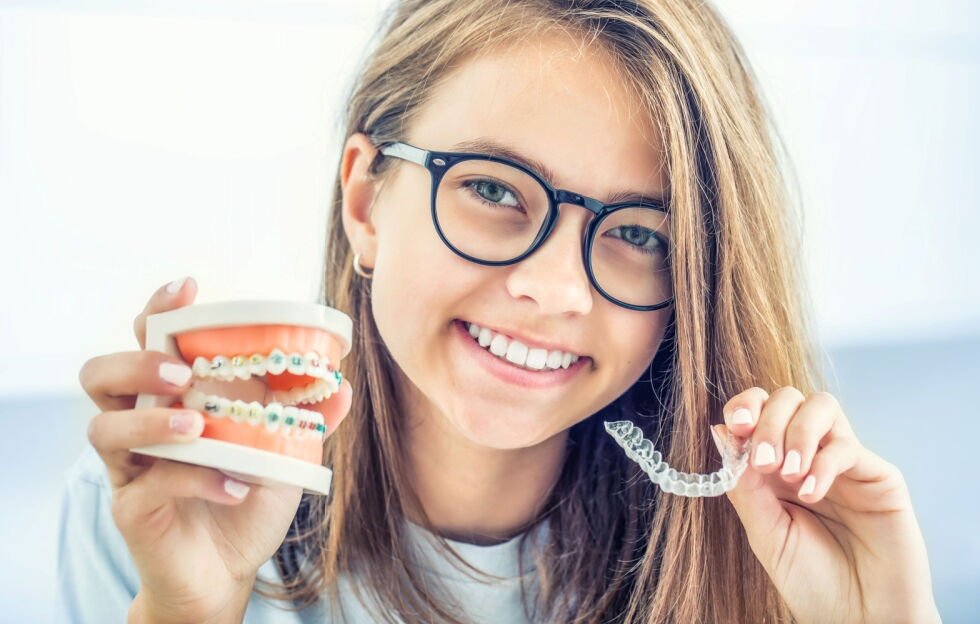
| Teens | Sugary drinks, sports injuries, braces care | Mouthguards, diet guidance, help cleaning around braces |
| Adults | Gum disease, grinding, stress, smoking | Gum checks, night guards, quit support, cleanings set to risk |
| Older adults | Dry mouth, root decay, loose teeth, dentures | Saliva support, more frequent checks, denture care, fall risk review |
The Centers for Disease Control and Prevention notes that tooth decay remains common in children and adults. Yet it is preventable when care matches risk. A plan that changes with age keeps your family ahead of problems.
Health conditions that raise your risk
Many health problems show up first in your mouth. Diabetes, heart disease, pregnancy, and cancer treatment all change your risk. Some medicines dry your mouth. Others weaken your immune system.
Your dentist can adjust your plan when you face these changes. You may need cleanings more often. You may need closer checks for gum disease. You may need help with dry mouth or sores.
The National Institute of Dental and Craniofacial Research explains links between oral health and the rest of your body. A personalized plan uses that science to protect you. It treats your mouth as part of your whole health, not a separate piece.
Saving money and avoiding emergencies
Emergency visits steal your time. They also cost more than steady care. A small cavity can become a root canal. A mild gum infection can turn into tooth loss.
With a preventive plan, you and your dentist track trouble early. Tiny changes in your gums. Small chips. Tightness in your jaw. You treat them before they grow. You also spread needed care over time, which can ease the strain on your budget.
Three main gains stand out.
- Fewer surprise visits and late-night pain
- Lower long-term costs from early treatment
- More control over when and how you get care
Helping your child build strong habits
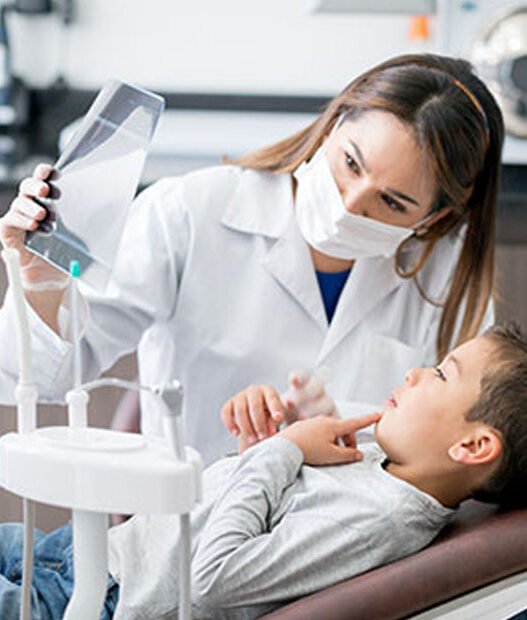
Children learn from what they see. When your dentist builds a plan for your child, you get clear steps you can repeat at home. Short brushing routines. Simple words to explain why sugar hurts teeth. Reward systems that focus on effort, not fear.
A steady plan can turn a scary visit into a safe routine. Your child meets the same staff. Hears the same calm steps. Knows what will happen next. That trust can last for life.
What to expect at your next visit
You do not need to prepare a script. You only need to speak honestly. Share your concerns. Tell your dentist if you fear tools or sounds. Say if money or time feels tight.
Then ask three direct questions.
- What is my current risk for tooth decay and gum disease
- What can I change at home to lower that risk
- How often should I return, based on my personal risk
Your dentist can then shape a written plan that fits your life. Small steps. Clear goals. Real protection for your family’s health.