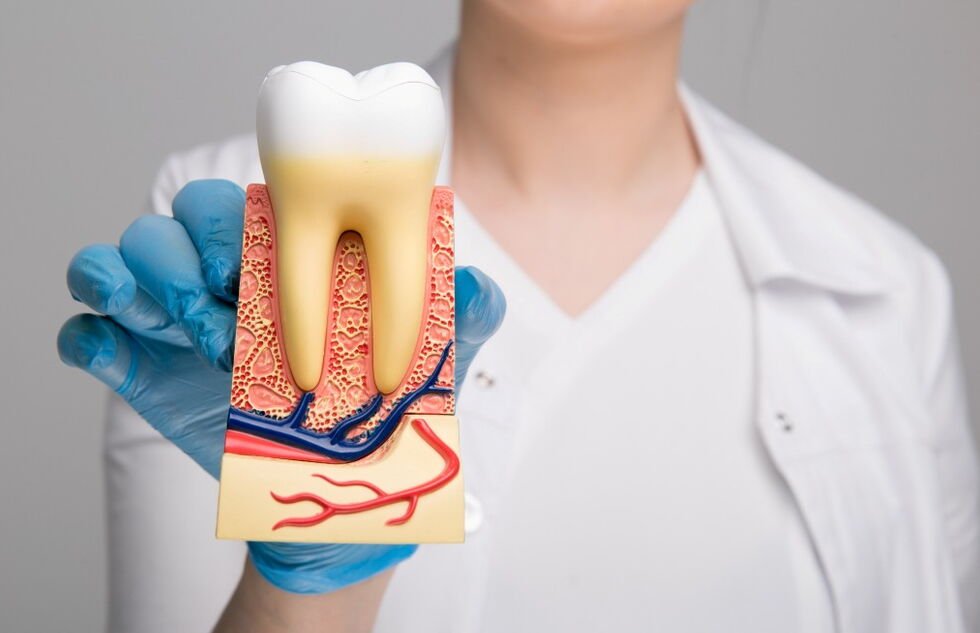
Healthy teeth protect more than your smile. They protect how you eat, speak, and feel about yourself. Preventive dental care keeps small problems from turning into painful emergencies. It also protects your wallet, your time, and your peace of mind. You may think you can wait until something hurts. By then, the damage is often serious, and the treatment is harder. Regular cleanings, simple checkups, and daily brushing and flossing build a strong shield against decay and infection. They help you avoid root canals, extractions, or searching for a dental implants dentist in Crest Hill, IL after tooth loss. Every visit gives your dentist a chance to spot early warning signs of gum disease, cavities, and even some cancers. You gain control. You stay ahead of trouble. You keep your natural teeth strong for as long as possible.
Why prevention matters for every age
You only get one set of adult teeth. Once a tooth has deep decay or breaks, you cannot grow it back. You can fix it, replace it, or pull it. You cannot restore the original tooth. That truth makes prevention your strongest tool.
Preventive care matters for three groups.
- Children form habits and protect growing teeth.
- Adults fight decay, stress, and gum disease.
- Older adults protect remaining teeth and manage health problems.
The Centers for Disease Control and Prevention reports that cavities are one of the most common chronic conditions in children and adults. You lower that risk when you keep up with cleanings, fluoride, and daily care at home.
What counts as preventive dental care
Preventive care is simple. It is the routine work that keeps your mouth clean and strong. It includes three main steps.
- Professional cleanings and exams
- Daily care at home
- Protective treatments and smart choices
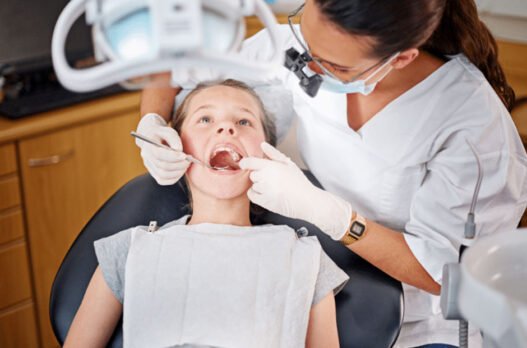
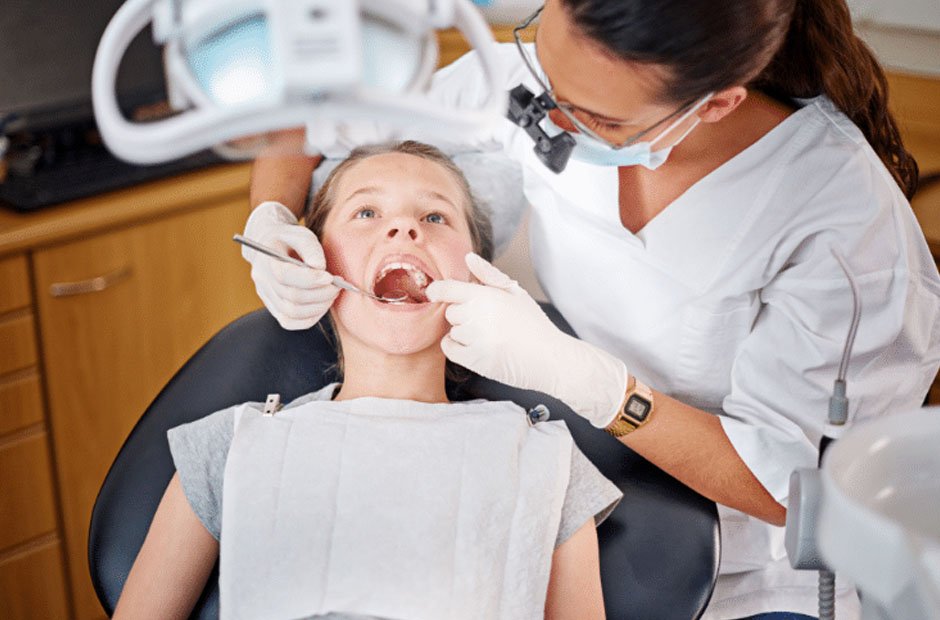
Professional care usually includes cleaning, polishing, a full exam, and sometimes X-rays. These visits clear plaque and tartar that you cannot remove at home. They also give your dentist time to check your gums, tongue, cheeks, and throat.
Daily care at home includes brushing twice a day with fluoride toothpaste, flossing once a day, and using mouthrinse if your dentist suggests it. It also means simple steps such as drinking water, choosing fewer sugary drinks, and not using tobacco.
Protective treatments may include fluoride varnish and dental sealants. The National Institute of Dental and Craniofacial Research explains how sealants help protect children from cavities.
How prevention saves teeth, money, and time
Preventive care feels small. A short visit. A quick brushing. A few minutes with floss. Yet the impact is large. It protects three things that matter to you.
- Your teeth and gums
- Your budget
- Your schedule
When you skip routine care, problems grow in secret. A tiny cavity spreads into the inner part of the tooth. Bleeding gums turn into bone loss. A cracked filling lets in bacteria. You may not feel pain until the damage is serious. At that point, you may need a root canal, crown, or extraction. Each treatment costs more money and more time than a cleaning.
Simple numbers that show the difference
The numbers below are sample cost ranges for common dental services. Actual costs vary by clinic and insurance, yet the pattern stays clear. Prevention costs less than repair.
| Type of visit or treatment | Purpose | Typical frequency | Approximate cost range in dollars per visit
|
| Routine exam and cleaning | Prevent disease and find early problems | Every 6 months | 80 to 200 |
| Fluoride treatment | Strengthen tooth enamel | Every 6 or 12 months | 20 to 50 |
| Dental sealant per tooth | Protect chewing surfaces | Every few years | 30 to 60 |
| Filling for small cavity | Repair early decay | As needed | 150 to 300 |
| Root canal and crown | Save severely damaged tooth | As needed | 1,000 to 2,500 |
| Extraction and replacement | Remove and replace lost tooth | As needed | 2,000 or more |
Three lessons stand out. Cleanings and fluoride are cheaper. Early fillings cost less than major repairs. Tooth loss is the most costly of all.
How preventive care protects your whole body
Your mouth connects to the rest of your body. Gum disease is linked to heart disease, diabetes, and pregnancy problems. Bacteria in your mouth can move into your blood. Bleeding gums are not just a small nuisance. They are a warning sign.
Routine dental visits help your medical team spot signs of other conditions. Dry mouth can signal medication issues. Worn teeth can show stress or sleep problems. White or red patches may signal early cancer. You gain another layer of safety when you keep regular checkups.
Practical steps for your family today
You can start preventive care with three simple actions.
- Set routine visits for every person in your home.
- Build a steady brushing and flossing routine.
- Cut back on sugary snacks and drinks.
For children, make brushing a shared habit. Use music. Use charts. Stay with them until they can brush well on their own. For teens, connect oral health with sports, social life, and work. A healthy smile supports all three. For adults, treat cleanings like any other health visit. Put them on the calendar and keep them.
Taking control of your smile
Preventive dental care gives you power. You do not wait for pain to force you into the chair. You choose to protect your teeth, your comfort, and your savings. You set a strong example for children who watch every move.
You deserve a mouth that feels clean, strong, and steady. You can reach that goal with routine visits, steady home care, and smart daily choices. You protect your smile. You protect your health. You protect your future self from regret.