You can avoid many fillings, crowns, and root canals. You do not need to wait for pain before you act. Small choices each day protect your teeth and save you from long treatment plans and high costs.
This blog explains six simple steps that lower your risk of damage and tooth loss. Each step is clear, practical, and easy to start today. You will see how to brush with purpose, use floss the right way, protect weak spots, and manage habits that quietly break teeth over time. You will also learn when to seek help from a trusted dentist in West Hills, CA before problems grow.
These steps give you more control. They protect your smile, your time, and your money. When you understand what causes damage, you can stop it early. That is the goal of true preventive care.
1. Brush with purpose twice each day
Clean teeth fight decay. You need two minutes, two times each day. Short brushing misses sticky film that feeds germs. Long brushing with hard force scrapes enamel and hurts gums.
Use these steps.
- Use a soft brush with a small head
- Angle bristles toward the gumline
- Use short strokes on each tooth
- Brush the outer, inner, and chewing sides
- Spit out the foam and do not rinse with water
The Centers for Disease Control and Prevention explains how this daily care cuts the chance of cavities and gum disease.
2. Floss once a day to clean where brushes miss
Toothbrushes do not reach between teeth. Food stays trapped. Germs then release acid that eats small holes into enamel. Floss slides into those tight spaces and removes that hidden film.
Follow a simple pattern.
- Use about 18 inches of floss
- Wrap the ends around your middle fingers
- Guide the floss between teeth with your index fingers and thumbs
- Curve it in a C shape around each tooth
- Move up and down under the gumline
Children need help with flossing until they can tie their shoes well. Families that floss together build strong habits and prevent shared worry later.
3. Use fluoride to harden enamel
Fluoride strengthens the outer shell of each tooth. It helps repair early damage before a cavity forms. You get fluoride from toothpaste, tap water, and some rinses.
The American Dental Association and many public health groups support fluoride use. The National Institute of Dental and Craniofacial Research explains how fluoride protects teeth across a lifetime.
Try these steps.
- Use fluoride toothpaste every time you brush
- Drink tap water if it is fluoridated
- Ask your dental team about fluoride varnish for children and adults at higher risk
Fluoride use often costs less than one filling. It reduces the need for many future restorations that cut into teeth and shorten their strength.
4. Protect teeth from grinding and sports injuries
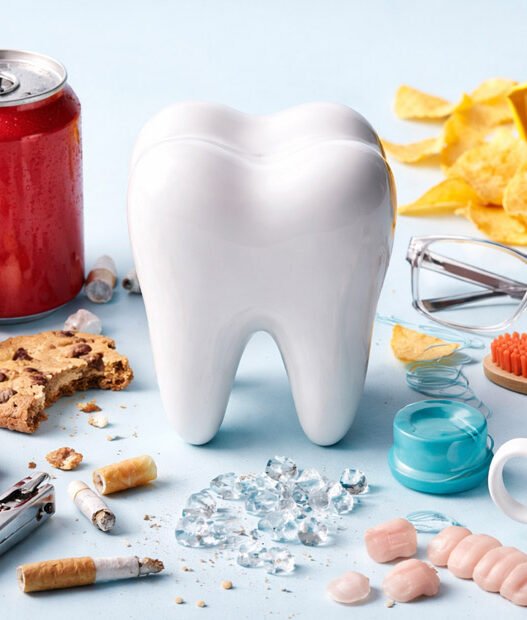
Teeth crack from more than sugar. Grinding during sleep and hits during sports also break enamel. Many people grind at night without knowing. They may wake with sore jaws or feel flat edges on their teeth.
Protection includes three steps.
- Wear a custom night guard if you grind
- Use a mouthguard for contact sports
- Avoid chewing ice, pens, or hard candy
Each crack creates weak spots that need fillings or crowns. Preventing one fracture can save a tooth from a root canal or extraction years later.
5. Choose food and drinks that protect teeth
Every sip and snack affects your mouth. Sugar feeds germs. Acid from soda, sports drinks, and juice softens enamel. Time matters. Teeth suffer more from small sips all day than from one drink with a meal.
Use this simple comparison.
| Choice | Effect on teeth | Better option
|
| Soda or sports drink | High sugar and acid | Water or milk |
| Sticky candy or fruit snacks | Clings to grooves for hours | Fresh fruit or nuts if safe |
| Frequent snacking | Acid attacks many times a day | Regular meals with limited snacks |
| Nighttime drink with sugar | Germs work all night | Plain water only |
Plan three steps.
- Drink plain water between meals
- Keep sugary treats with meals, not alone
- Rinse with water after sweet or sour food
6. Keep regular checkups and cleanings
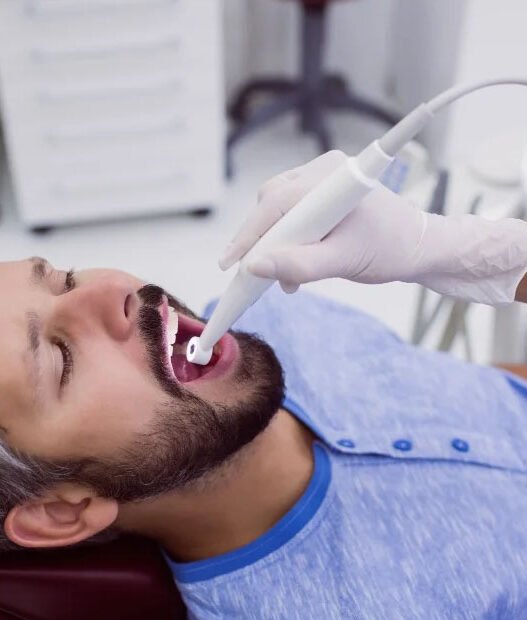
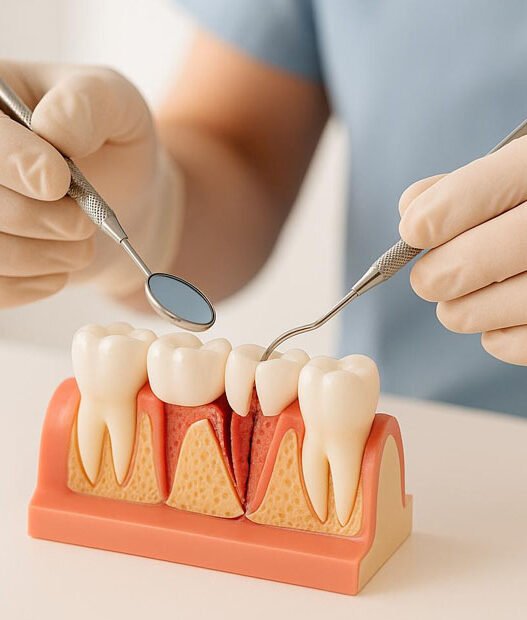
You may feel fine and still have early decay or gum disease. Dental teams use light, mirrors, and X-rays to see problems you cannot see. They remove hard buildup that brushing and flossing cannot clear.
Routine visits allow three key protections.
- Catch small cavities before they reach the nerve
- Find gum problems before teeth loosen
- Repair worn fillings before they crack
Talk with your dental team about a schedule that fits your risk. Many people do well with visits every six months. Some need three or four visits each year due to medical history, dry mouth, or past decay.
Putting the six measures together
Each step matters. The real strength comes when you use them together. Strong brushing and flossing, fluoride, protection from grinding, smart food choices, and steady visits work as a single shield.
Start with one change today. Then add a second and a third. Your future self will feel real relief when you avoid the drill, the numb feeling, and the cost of repeat restorations. Your daily actions write that outcome now.