
A visit to the dentist can stir up fear, shame, or old memories. You might worry about pain, cost, or feeling rushed. You are not alone. General dentists now focus on comfort as much as treatment. They listen closely, explain each step, and respect your limits. They also adjust care for people with chronic pain, anxiety, or memory loss. Many offices use simple tools that soften sound, reduce bright light, and ease pressure on your jaw. A Cave Creek dentist for seniors may offer shorter visits, gentle numbing, and quiet rooms that feel calm. Other dentists use clear language and written plans so you know what to expect. These changes reduce tension and help you return for regular care. This blog shares six specific ways dentists create more comfortable visits so you can feel safer in the chair and more in control of your health.
1. Clear communication before, during, and after care
Fear grows in silence. You feel more at ease when you know what is coming next. Many dentists now treat clear communication as part of care, not an extra step.
You can expect your dentist to:
- Ask about your fears, past bad visits, and triggers
- Explain each step in plain words before starting
- Pause often to check on your comfort
The American Dental Association explains that talking about dental fear helps shape safer care plans for you.
You can help your dentist by saying:
- “I need you to tell me before you touch my tooth.”
- “I need breaks if my jaw gets tired.”
- “I had a bad visit in the past. Here is what happened.”
This honest talk builds trust. It also cuts confusion and surprise, which lowers stress for you and your family.
2. Step-by-step planning for anxious patients
Some people feel panic just sitting in the waiting room. Others feel fine until they hear the drill. A good dentist uses a simple plan that respects those reactions.
Many offices now offer:
- Short “meet and greet” visits with no treatment
- Cleanings split into more than one visit
- Written care plans with clear timelines
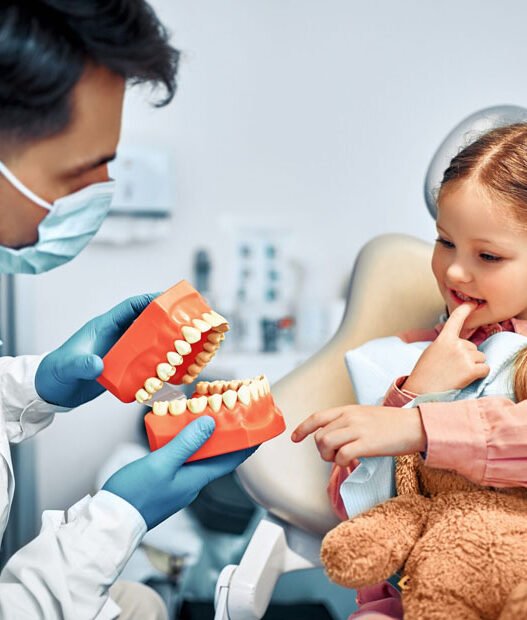
This step-by-step method gives you control. You can start with small care and build up. Parents can use the same method for children. You can let a child sit in the chair, touch the mirror, and then leave without treatment. The next visit can include a quick look at the teeth. The third can be a full cleaning.
The National Institute of Dental and Craniofacial Research notes that regular visits lower the chance of pain and urgent problems.
3. Numbing choices that match your needs
Fear of pain is common. Many dentists now offer several numbing options so you can choose what feels safe.
Common choices include:
- Numbing gel on the gums before a shot
- Slow, steady numbing with a small needle
- Extra time for the numbing to work before treatment
Some dentists also offer medicine that relaxes you. This may be a small pill before the visit or a gas mask that you breathe through your nose. You can ask what your office offers and what is safe for your health history.
You can also set rules such as “If I raise my hand, stop right away” or “Tell me when there are only two minutes left.” These small controls help your body calm down and reduce muscle tension.
4. Softer sights, sounds, and smells
Your senses react fast. Bright lights, high-pitched sounds, and strong smells can turn mild nerves into strong fear. Many general dentists now change the office setting to soften those triggers.
Common comfort changes include:
- Ceiling lights with filters and dimmer switches
- Headphones or earplugs to soften noise
- Unscented cleaners to reduce strong smells
Some offices also offer blankets, neck pillows, or stress balls. These tools give you something safe to focus on. Children may get picture books or simple toys to hold. Older adults may get extra cushions to support the back and neck.
Common Triggers and Simple Comfort Options
| Trigger | What You Might Feel | Comfort Option To Request
|
| Bright overhead light | Eye strain or headache | Sunglasses or a small eye cover |
| Drill noise | Rising heart rate or panic | Music headphones or earplugs |
| Long time in the chair | Sore neck or back | Extra pillows and short stretch breaks |
| Cold room | Shivering or tight muscles | Light blanket or warmer clothing |
5. Special care for children, seniors, and people with memory loss
Different stages of life call for different support. A child, a caregiver, and a person with dementia each bring unique needs. A caring dentist plans for each group.
For children, you may see:
- Simple words for tools and steps
- Short visits that match short attention spans
- Rewards such as stickers after care
For seniors and people with memory loss, you may see:
- Extra time to move safely in and out of the chair
- Written notes for home care that caregivers can follow
- Morning visits when people feel more alert
Many dentists also watch for dry mouth or medicine side effects in older patients. They may offer mouth rinses, sugar free gum, or fluoride to protect teeth and reduce pain.
6. Respect for your limits and your story
Past harm, trauma, or shame can sit in your body for years. A rushed or cold visit can bring those feelings back. A safe dental visit treats your limits as serious medical facts, not as quirks.
You can expect your dentist to:
- Ask permission before each new step
- Stop when you say stop
- Offer options instead of pressure
You can share as much of your story as you feel ready to share. You can say, “I had a rough experience before. I need you to move slowly with me.” That simple line opens the door for a more careful plan.
With these six approaches, general dentists turn a feared visit into a more controlled and humane experience. You gain clear information, more choices, and real comfort tools. You also gain a path to steady care that protects your teeth, lowers pain, and supports your health over time.