
Key Takeaways
- Early detection of water damage is crucial to prevent structural issues, mold, and costly repairs.
- Regularly inspect pipes, appliances, roofs, gutters, and drainage systems for leaks or blockages.
- Maintain HVAC systems and address condensation issues promptly to avoid hidden water damage.
- Prepare for natural disasters and sewer backups by implementing preventive measures and developing emergency plans.
- Routine maintenance, timely repairs, and professional inspections can save money and protect health.
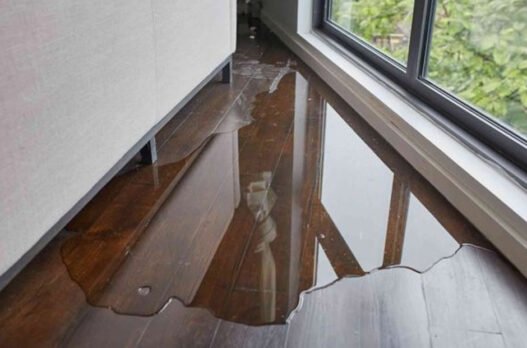
Water damage can silently devastate your home, compromising structural integrity and leading to long-term repair costs and mold growth. It is one of those problems that can escalate rapidly if not caught early, often starting with barely noticeable signs but quickly progressing into a situation that may require extensive renovation. Proactive homeowners can avoid costly headaches by understanding the root causes and responding early, ensuring small issues do not cascade into major disasters. Often, the difference between minor fixes and major disasters lies in routine care and immediate action. For homeowners who discover a problem too late or need emergency response, professional water damage repair services can restore safety and peace of mind. Professionals have the expertise and equipment necessary to mitigate damage and help prevent recurrence.
Given the unpredictable weather, aging infrastructure, and everyday household risks, water damage poses a significant challenge for all property owners. Small drips and unseen leaks may appear harmless at first, but unchecked moisture can deteriorate materials and attract hazardous mold, posing serious health risks. Even what appears to be a minor plumbing issue or an unnoticed roof leak can foster an environment that allows mold spores to flourish, leading to persistent odors and respiratory concerns. Educating yourself about early warning signs and simple prevention strategies can save time, stress, and thousands of dollars. Preventative measures often cost far less than repairs and protect both your investment and the health of your household.
Leaking Pipes
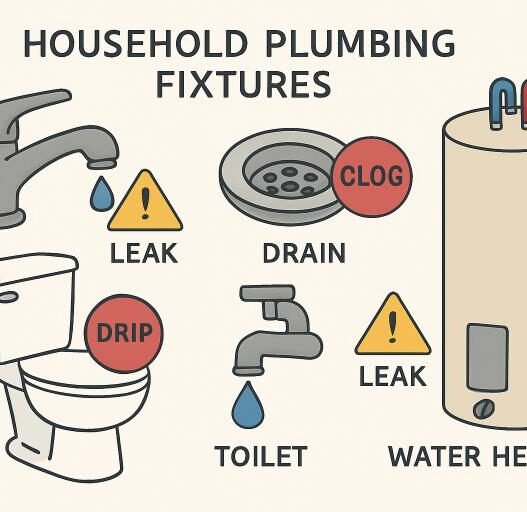
Aging, corrosion, shifting soil, and excessive water pressure can lead to leaky pipes, a primary source of water damage inside walls, beneath floors, and behind ceilings. Even a small leak can release enough moisture over time to rot wood, rust metal, and degrade drywall, making structural repairs inevitable if left unchecked. Early signs include discoloration on ceilings and walls, unexplained dampness, musty odors, or higher water bills, which may suggest hidden water loss. Inspect visible pipes regularly and fix any leaks immediately—don’t wait for a trickle to become a flood. If you live in a climate with freezing temperatures, insulate pipes to prevent costly wintertime bursts. Regular maintenance, such as tightening loose fittings and proactively replacing old piping, ensures that your plumbing continues to work reliably.
Faulty Appliances
Household appliances such as washing machines, refrigerators with ice makers, dishwashers, and water heaters are common culprits for interior water leaks. Over time, appliance hoses and connectors can degrade and rupture without warning—a single burst washing machine hose can release dozens of gallons of water in just a few minutes. To reduce risks, replace rubber hoses every few years with braided stainless steel alternatives, which are far less prone to sudden failure. Schedule annual maintenance for water-using appliances and promptly repair any leaks, including those from small under-sink dishwashers. Check under and around appliances regularly for signs of condensation or pooling water, and don’t ignore puddles that mysteriously appear—they often indicate underlying issues that require immediate attention.
Roof Leaks
Storms, wind, excessive snow load, or simply age can compromise your home’s roof. The roof is your home’s first defense against water intrusion, and even minor damage to shingles or flashing can allow water to seep underneath, causing rot and damaging insulation. Missing shingles, loose flashing, and cracked vent boots give water a direct path indoors. Conduct roof inspections at least twice a year, and after major storms, to look out for visible damage, moss, or debris that could cause blockages. Clean debris from valleys and repair any damage quickly to keep the elements out. Having a roofing contractor check for hidden issues provides valuable peace of mind. A small investment in roof repair now can save thousands later on.
Clogged Gutters
Debris-filled gutters cause rainwater to overflow and pool near the foundation, increasing the risk of basement flooding and structural damage. Clogged gutters may also cause your fascia to rot, lead to ice dams in winter, and trigger landscape erosion around your home. Twice-yearly gutter cleaning—especially in autumn and spring—ensures proper flow and reduces the risk of overflow. Check that downspouts direct water at least six feet from your home’s foundation to prevent pooling. Install gutter guards or screens if you live near trees that regularly deposit leaves and twigs.
Poor Drainage Systems
If the land around your property directs water toward the house, your basement or crawl space may be at risk for repeated flooding and damage. Effective drainage starts with grading—ensuring soil slopes away from your home’s foundation so water can’t pool near structural walls. Installing French drains, sump pumps, or extending downspouts further from the house improves resilience to heavy rains and prevents water from entering lower levels. Landscape features and retaining walls may also be used to divert water safely away from the home, protecting its core structure over the long term.
HVAC Issues
Air conditioning systems can generate copious condensation, especially in humid climates. If the drainage pan or condensate line becomes blocked, water can overflow, leading to unseen mold or rot in your attic or behind walls. Regularly changing air filters, inspecting for pooled water, and ensuring the AC’s drainage system is clear can prevent silent, extensive damage. Schedule annual HVAC maintenance and clean out condensate lines to prevent buildup. Be alert to any water dripping from indoor AC components.
Natural Disasters
Severe weather events—such as hurricanes, floods, and flash rains—can overwhelm homes regardless of maintenance. Even the best-prepared home can experience water incursion if exposed to an extreme event. Preparing your residence with foundation barriers, sump pumps, backup power solutions such as generators, and sandbags can help minimize damage. Create an emergency response plan for your household and store important documents in waterproof containers. Know your flood risk and insurance policy details before disaster strikes so you’re ready for what comes next.
Sewer Backups
Sewer backups, caused by tree roots, blockages, or city sewer overflows, introduce contaminated water into your living space, creating hazardous conditions as well as costly cleanups. Avoid flushing paper products, grease, or non-flushables down the drain to maintain clear lines. Installing a backwater valve can keep city sewer surges from entering your home, providing a critical barrier between your home and municipal problems.
Final Thoughts
Routine vigilance, fast action, and ongoing maintenance remarkably lower the risk of water damage in your home. Investing a bit of time and effort each season can help you address vulnerabilities before they become emergencies. Stay proactive with inspections and system upgrades to enjoy greater security, comfort, and long-term value in your property. When in doubt, seek expert guidance—it’s far better to prevent water damage than to repair it.