Key Takeaways
- Recycling keeps valuable materials out of overflowing landfills and helps reduce the need for extracting raw resources for new products.
- Donation of usable mattresses helps community members in need and fosters a culture of sharing and responsible consumption.
- Retailer and manufacturer programs often handle eco-conscious disposal for you, offering peace of mind and added value when purchasing a new mattress.
- Certified junk removal services are increasingly offering green solutions, reducing your hassle while lessening the strain on waste infrastructure.
- DIY enthusiasts can disassemble mattresses to recycle individual elements, providing an educational opportunity and possible material rewards for creative reuse.
Disposing of an old mattress can be more complicated than it seems. Traditional disposal methods often contribute to overflowing landfills and environmental pollution, as mattresses are bulky and made from materials that do not decompose easily. Choosing eco-friendly mattress disposal methods not only helps reduce waste but also supports sustainable practices by giving materials a second life through recycling or repurposing. By understanding the various options available, individuals can make informed choices that minimize their environmental impact while ensuring their old mattresses are handled responsibly.
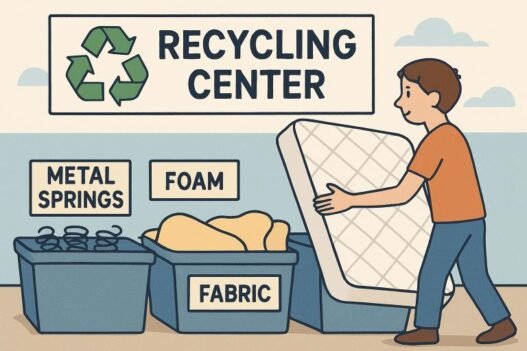
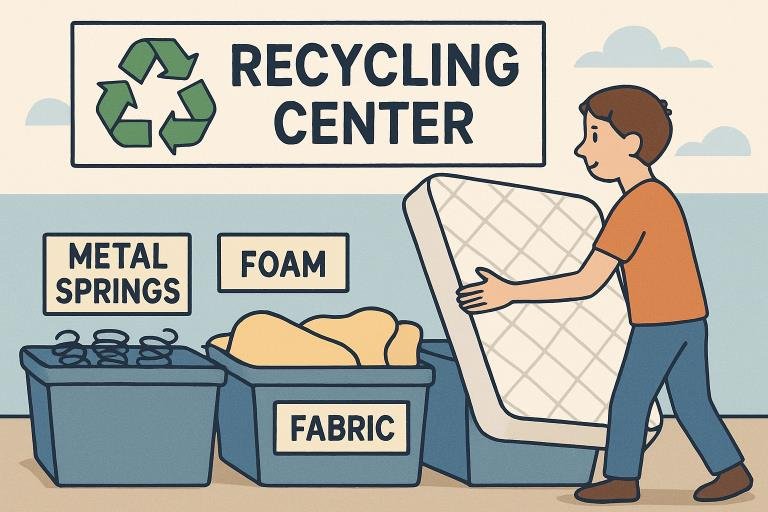
One practical step in this process is arranging mattress removal through services designed to handle bulky items safely and efficiently. Proper mattress removal ensures that recyclable components, including metal springs, foam, and fabric, are properly separated and processed for reuse and recycling. Whether donating, recycling, or repurposing, integrating responsible mattress removal into disposal practices is a key part of reducing environmental strain and promoting a more sustainable approach to household waste management.
Why Eco-Friendly Mattress Disposal Matters
Every year, 15 to 20 million mattresses and box springs are discarded in the US, occupying landfill space and causing equipment issues. Recycling up to 80% of their materials helps conserve resources and lessen landfill waste. Steel springs can be repurposed in construction, while foams are useful in carpet padding. Proper disposal is essential for effective waste management, and raising awareness encourages more sustainable practices.
Recycling Your Mattress
Mattress recycling involves dismantling the product and processing its individual components. Foam, metal springs, wood, and textiles are separated and sent to appropriate facilities for reuse or recycling. The process not only diverts large volumes from landfill but also creates local green jobs and supports the development of closed-loop systems within the mattress industry. Programs like Bye Bye Mattress operate in several states, providing easy access to recycling drop-off points and, in some areas, even curbside pickup. These initiatives are especially effective at intercepting mattresses that might otherwise end up in a dump, making recycling accessible for those unable to transport large items themselves. Check if your city participates in such a program to ensure responsible disposal.
Donating Gently Used Mattresses
If your mattress is in good condition, consider donating it to local organizations that accept gently used bedding, such as furniture banks, churches, or homeless shelters. These groups often need mattresses for clients transitioning into stable housing, helping to provide a basic right to comfortable sleep. Donating your mattress gives it a second life while benefiting those in need. Please ensure you check local regulations and hygiene standards, as some areas may have specific requirements for mattress donations.
Manufacturer Take-Back Programs
More mattress brands and stores are offering take-back or recycling programs as part of an extended producer responsibility plan. When you buy a new mattress, you may be able to arrange for the company to pick up your old one, making it easier for consumers and encouraging a seamless transition to a new mattress. These programs ensure that old mattresses are either refurbished, donated, or recycled responsibly, helping to prevent waste from filling landfills and reducing the need for municipal waste services. Before buying, ask the retailer about their policy for removing and disposing of old mattresses — it’s an important step in ensuring sustainability standards are followed throughout the product’s life. In some states, these programs are required, and a recycling fee might be included in the mattress price.
Professional Removal Services
If managing mattress disposal yourself isn’t practical, professional removal services offer a convenient alternative. These services focus on minimizing landfill waste by sorting and transporting mattresses to certified recycling or repurposing facilities. They handle the heavy lifting and logistics, which can be especially helpful when moving, unable to transport the mattress alone, or managing multiple disposals at once. By using professional removal services, individuals can ensure that mattresses are processed responsibly, with recyclable components such as metal springs, foam, and fabric being separated and redirected for reuse. This approach offers a practical and eco-friendly solution for households and businesses seeking to incorporate sustainable practices into their waste disposal routines.
DIY Disassembly and Recycling
For the environmentally conscious do-it-yourselfer, manually breaking down your mattress can be a rewarding project that offers insight into the construction of everyday items. By separating out the metal springs, foam, wood, and textiles, you can deliver each component to specialized recycling centers or even find creative ways to repurpose them at home, keeping the material out of waste streams and fostering a hands-on approach to sustainability.
- Metal Springs: Recyclable as scrap metal, often valued by local scrap yards and used in art or home projects.
- Foam: Can be reused for cushions, pet beds, or soundproofing projects, eliminating the need to purchase new materials while saving money.
- Wood: Great for small carpentry or garden projects, such as compost bins or planters, tapping into the DIY ethic.
- Textiles: Some centers accept these for textile recycling or upcycling crafts, turning old fabrics into new goods and minimizing raw textile production.
Wear gloves and goggles when dismantling your mattress, and contact local recycling facilities in advance to confirm they accept individual components. This approach empowers individuals to participate directly in responsible waste practices and fosters a deeper sense of environmental responsibility within the community.
Local Recycling Programs and Events
Municipal waste management authorities frequently organize bulk recycling events or provide drop-off sites for mattresses and large household items, particularly during neighborhood clean-up days or spring cleaning seasons. Take advantage of these services to recycle your mattress instead of throwing it away, helping to prevent illegal dumping, fines, and harm to public spaces. Many areas also offer online scheduling for pickups or drop-offs, complete with detailed instructions and FAQs on official websites to guide proper disposal in accordance with local regulations.
Conclusion
Adopting eco-friendly methods for mattress disposal helps protect the environment and prolongs the lifespan of materials. Small adjustments in how we dispose of mattresses—such as recycling, donating, utilizing manufacturer programs, professional services, or DIY approaches—can significantly reduce waste. Responsible disposal not only reduces landfill burden but also fosters a healthier planet. It encourages improved disposal systems and raises public awareness, benefiting both local communities and the global environment.