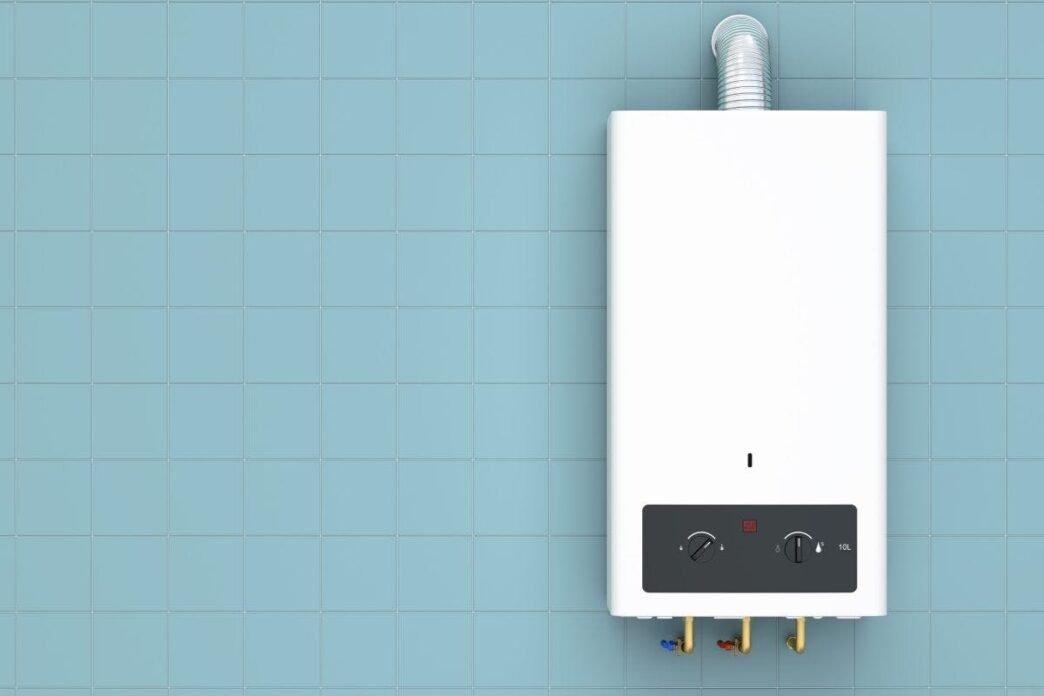
Gas tankless water heaters are rapidly becoming a popular choice as homeowners seek smarter methods of conserving energy and saving on monthly utility payments. In contrast to the old fashioned products, the water heaters of tankless types heat water on demand, and the big tank is not required to be hot day and night.
It will lead to increased efficiency, continuous hot water, and reduced operating costs in the long-run. The federal government has further made these upgrades all the more attractive by providing a tax credit that can considerably allow reimbursement on the cost of installing an eligible gas tankless water heater.
To homeowners who are considering the advantages of switching, it’s a good place to start by determining how this incentive functions. When it comes to Federal Tax Credit for gas tankless water heaters, here’s what you need to know:
The Reason Gas Tankless Water Heaters Are on The Rise

On-demand heaters, also known as gas tankless water heaters are not heated at all until the faucet is turned on or an appliance requires hot water. They have become a powerful substitute to huge storage tanks due to their ability to do away with standby heat loss, and being more efficient.
The fact that there is unlimited hot water, the space-saving style, and the extended life span are what homeowners like about the product; the lifespan is normally two times longer than the conventional tank systems. The larger households are also a viable option of these units since the conventional tanks might not keep up with the intense demand. They are also a good long-term investment due to reduced energy waste and reduced monthly bills.
Initial cost of purchase and installation of the product may be more than that of a conventional water heater. The federal tax credit comes in particularly handy at this point.
Strategies for Reducing Expenses Using the Federal Tax Credit
Gas tankless water heaters are now part of the enhanced incentives for energy-efficient home upgrades made possible by the Inflation Reduction Act. The federal government offers a tax credit to homeowners that install certain high-efficiency gas tankless water heaters. The credit is 30% of the total cost, which includes installation, and can go up to $600. Those that make energy-efficient upgrades to their homes are eligible for this credit.
When you take advantage of this incentive, your tax liability for the year of installation will be lower. Those that spend money on expert, code-compliant installation will reap the greatest rewards from the credit, since it is based on a percentage of the total cost of installation. Homeowners can keep making energy changes and get extra tax benefits because it’s an annual credit. Learn more here.
Requirements for Eligible Gas Tankless Systems
The government credit isn’t available for every gas tankless water heater. For gas-fired tankless systems, the unit’s efficiency must be certified by ENERGY STAR®. These models are able to lower their energy use without compromising on performance thanks to cutting-edge technology.
An existing home that is utilized as a primary residence is required to have the system installed. New construction and rental properties do not meet the criteria. The installation needs to adhere to the manufacturer’s warranty terms as well as the local construction codes, therefore it’s best to hire certified workers. To facilitate the claim process, homeowners should save all relevant paperwork, including receipts and efficiency certifications.
Claiming the Tax Credit
It is easy to claim the tax credit after installing a gas tankless water heater that qualifies. As part of their federal tax return, homeowners must submit IRS Form 5695, which details the eligible costs and how to calculate the credit. The amount owing on the tax bill is reduced when the savings are applied straight to it.
Keep all documents pertaining to equipment purchase, installation fees, permits, and energy efficiency documentation to prevent issues. Although it is possible to file your taxes on your own, some homeowners find it helpful to speak with a tax expert because of the impact these credits have on their tax bill. Follow this link for more https://environmentamerica.org/center/resources/heat-pumps-how-federal-tax-credits-can-help-you-get-one/.
Long-Term Financial Benefits Beyond Credit
Even though gas tankless water heaters can save you money right now thanks to the tax credit, they’re the best option in the long run. Lower monthly utility expenses are the result of on-demand systems’ reduced energy use, which is a direct result of their lack of continuous water heating. Tankless systems can end up saving more money in the long run than the difference between the two types of systems.
Furthermore, tankless water heaters have a longer lifespan, frequently 20 years or more, which means they don’t need to be replaced as often, saving money. Additionally, home values can rise due to the fact that energy-efficient systems are generally seen as a desirable update by buyers. There are more chances to save money on high-efficiency gas appliances than only the federal incentives. Sometimes, local utilities and state programs will even give rebates.
Combining tax credits, rebates, and reduced energy bills results in large financial gains.