
Owning a home is one of life’s biggest investments, but it also comes with serious responsibilities. Beyond comfort and aesthetics, homeowners must think about safety, maintenance, and legal exposure.
Property liability—your legal responsibility if someone is injured on your property—can arise from something as simple as a loose stair tread or as complex as outdated electrical systems. The good news is that thoughtful home improvements can significantly reduce risk while also improving livability and long-term value.
Here, we’ll explore practical, high-impact home improvements every owner should consider to reduce property liability. From floors and stairs to electrical systems and structural upgrades, each section focuses on proactive steps that help protect both people and property.
What Does Property Liability Mean at Home?
Property liability generally falls under premises liability law, which holds property owners responsible for maintaining reasonably safe conditions. If a guest, contractor, or delivery worker is injured due to negligence, the homeowner could be liable for medical bills, lost wages, and damages.
This is not a rare concern. Up to 95% of personal injury lawsuits end in a pre-trial settlement. That statistic alone highlights how often property-related injuries lead to financial consequences, even without a courtroom battle. Reducing hazards through smart home improvements is often far cheaper than settling a claim.
Safer Flooring: The Foundation of Liability Prevention
One of the most overlooked contributors to home injuries is flooring. Slippery surfaces, uneven transitions, loose rugs, and worn materials can all create hazards.
The scope of the problem is significant. Slip and fall accidents account for about 1 million emergency room visits in the U.S. every year. Many of these incidents happen in homes, particularly in kitchens, bathrooms, entryways, and staircases.
Improvements to Consider
- Replace slick tile or polished stone with slip-resistant flooring.
- Use textured finishes in bathrooms and laundry rooms.
- Secure rugs with non-slip pads or remove them altogether.
- Repair warped boards or cracked tiles immediately.
Flooring upgrades not only reduce liability but also improve accessibility for children, older adults, and visitors with mobility challenges.
Stairways and Railings: High Risk, High Priority
Stairs are another major source of injury claims. Poor lighting, inconsistent riser heights, and loose handrails can all contribute to falls.
Key upgrades include:
- Installing sturdy, code-compliant handrails on both sides of stairways.
- Adding non-slip stair treads.
- Ensuring consistent step height and depth.
- Improving lighting with motion-activated fixtures.
If your stairs were built decades ago, they may not meet current safety standards. Updating them is a strong liability-reduction move.
Electrical System Upgrades and Fire Prevention
Outdated or improperly maintained electrical systems are a major liability risk. Electrical fires, shocks, and appliance failures can all result in injuries or property damage.
Modern safety standards emphasize proper circuit protection. Small electrical appliances need 15-amp circuits. Overloading circuits or using improper wiring can lead to overheating and fires, especially in kitchens, bathrooms, and garages.
Additionally, arc-fault and ground-fault protection is essential. According to the National Fire Protection Association, you should test your AFCIs and GFCIs after installation and once a month afterward. Regular testing ensures these devices will shut off power when dangerous conditions occur.
Liability-Reducing Electrical Improvements
- Upgrade old wiring and breaker panels.
- Install AFCIs and GFCIs where required.
- Clearly label circuits.
- Schedule routine inspections by licensed electricians.
When it comes to system operations and maintenance, regulatory compliance is critical for any project. Meeting electrical codes isn’t just about passing inspections—it’s about preventing accidents that could lead to costly claims.
Kitchens and Bathrooms: Moisture, Heat, and Risk
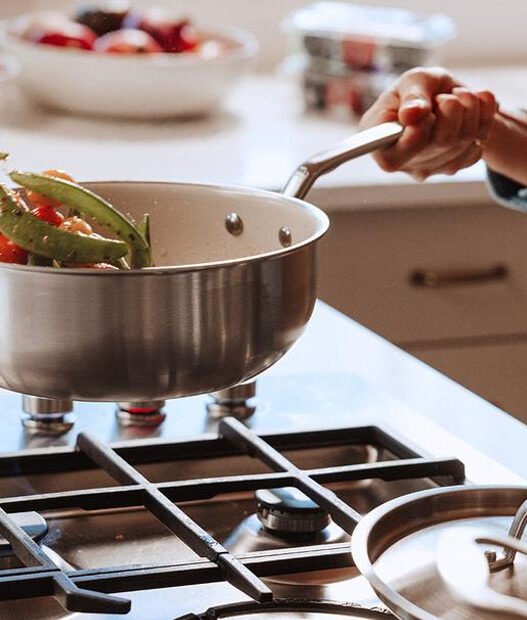
Kitchens and bathrooms combine water, electricity, and foot traffic—making them liability hotspots.
Some key kitchen improvements include:
- Install slip-resistant flooring.
- Ensure proper ventilation to prevent grease buildup.
- Secure heavy appliances to prevent tipping.
- Maintain clear walkways free of cords and clutter.
Bathroom improvements include:
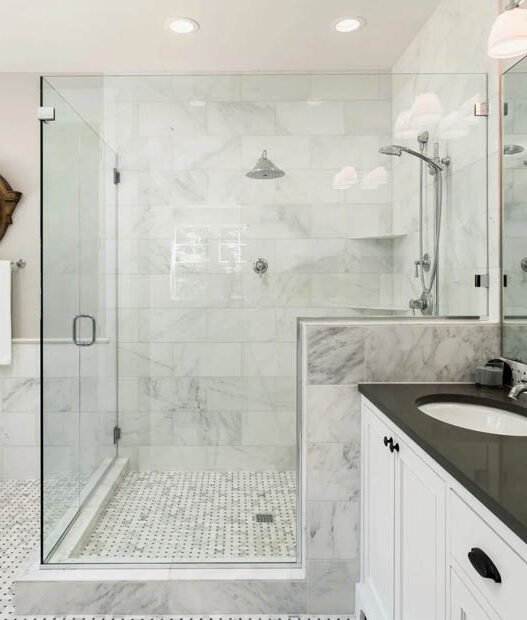
- Add grab bars near tubs and toilets.
- Use non-slip mats or textured flooring.
- Maintain caulking and grout to prevent mold and water damage.
Over time, materials degrade. You may have to replace your grout every 8 to 10 years. Cracked or missing grout allows water intrusion, which can lead to mold, structural damage, and slippery surfaces—all potential liability issues.
Windows, Doors, and Energy Efficiency
Windows play a surprising role in liability reduction. Old or damaged windows can shatter easily, stick shut during emergencies, or allow drafts that create condensation and slippery floors.
Energy-efficient window upgrades offer both safety and financial benefits. Nearly 67% of surveyed homeowners report that their new windows decreased monthly electricity costs. Lower energy bills are a bonus, but improved window function, stronger glass, and better seals also reduce accident risks.
Consider:
- Replacing single-pane windows with tempered or laminated glass.
- Ensuring windows open easily for emergency exits.
- Repairing or replacing broken locks and frames.
Outdoor Areas: Curb Appeal and Legal Exposure
Your responsibility doesn’t stop at the front door. Walkways, driveways, decks, and yards are all part of your liability landscape.
Key outdoor improvements include:
- Repair cracked sidewalks and uneven pavers.
- Install proper drainage to prevent ice and puddles.
- Add lighting along paths and steps.
- Ensure deck railings and boards are secure.
Tree maintenance is another critical area. Overhanging branches or dead trees can fall and cause injury or property damage, especially during storms.
Structural Improvements and Renovation Safety
Major renovations can significantly improve safety—but only if done correctly. Improper construction methods can introduce new risks rather than eliminate old ones.
For larger projects, logistics matter. For a home addition, using a crane is ideal because they can boom out about 42 feet, enough to get to the top floors of most homes. Using the right equipment reduces the chance of dropped materials, worker injuries, and property damage—all of which could expose homeowners to liability.
Always:
- Hire licensed, insured contractors.
- Obtain necessary permits.
- Ensure work meets current building codes.
Again, when it comes to system operations and maintenance, regulatory compliance is essential for any project. Skipping permits or cutting corners can void insurance coverage and increase legal exposure.
Maintenance: The Ongoing Liability Shield
Even the best improvements lose effectiveness without regular maintenance. Liability often arises not from design flaws, but from neglect.
Create a simple home safety checklist:
- Monthly testing of electrical safety devices.
- Annual inspection of roofs, decks, and railings.
- Regular flooring and stair checks.
- Seasonal outdoor maintenance.
Documenting maintenance can also help protect you legally by demonstrating reasonable care.
Insurance and Risk Awareness
While home improvements reduce risk, they should work hand-in-hand with proper insurance coverage. Review your homeowner’s policy to ensure adequate liability limits, especially if you frequently host guests or contractors.
Remember, most claims never see a courtroom. With about 95% of personal injury lawsuits ending in pre-trial settlement, avoiding incidents in the first place is the most effective financial strategy.
Safety as an Investment
Reducing property liability isn’t about fear—it’s about foresight. Every handrail installed, circuit upgraded, and crack repaired lowers the chance of injury and financial loss. Many of these improvements also enhance comfort, energy efficiency, and resale value.
By addressing flooring hazards, electrical safety, structural integrity, and routine maintenance, homeowners can create safer spaces for everyone who walks through their doors. In the long run, investing in safety is one of the smartest home improvements you can make.