Many homeowners may be surprised by how common and costly hidden plumbing leaks really are. What often starts as an unnoticed trickle can quietly drive up water bills, cause structural damage, and waste significant amounts of water over time. Beyond the financial impact, these leaks contribute to unnecessary resource loss that affects both households and communities. Recognizing the signs of hidden leaks and understanding their long-term impact is a critical step toward smarter home maintenance and responsible water use.
The Prevalence of Hidden Water Leaks
Across the nation, a significant number of homes experience water leaks that go undetected. Studies indicate that in about 10% of homes, leaks result in the loss of more than 90 gallons of water each day. This level of wastage contributes heavily both to unnecessary water consumption and higher utility costs for homeowners.
These leaks are often hidden within the plumbing system, making them difficult to spot without professional assistance. Simple leaks like those from faucets or toilet flappers can be managed easily with routine inspections. However, more insidious leaks require a more trained eye to identify and fix, ensuring the conservation of water and money in home improvement projects. The burden of undiagnosed leaks is not just financial; they also represent a misuse of environmentally critical resources. As awareness around resource conservation grows, homeowners are urged to remain vigilant against such leaks. This requires not only regular maintenance checks but also investment in newer technologies to detect issues before they escalate.
The Challenges of Homeowner Solutions
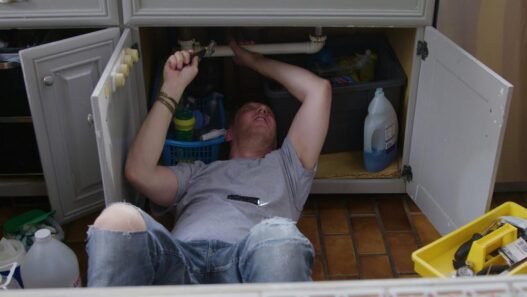
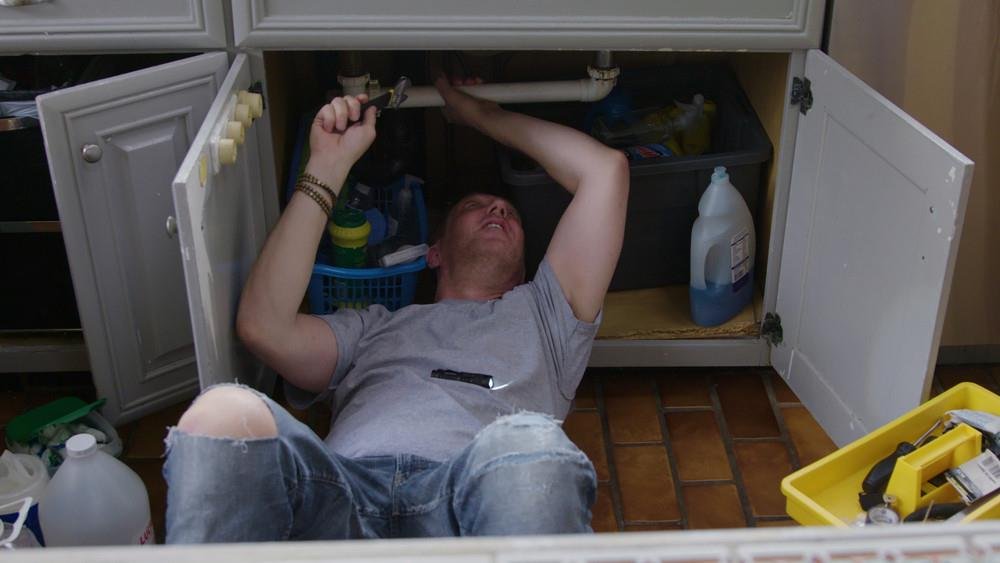
Many homeowners aim to tackle plumbing issues on their own, with varying degrees of success. Insights suggest that a significant number, approximately seven out of ten, are unable to resolve these issues independently. This can often lead to worsening problems that demand professional intervention, rather than quick fixes.
While do-it-yourself plumbing can seem appealing due to its cost-saving potential, without the right skills, it can exacerbate existing problems. Entering the realm of plumbing without comprehensive knowledge can result in further leaks or even damage to the system. Therefore, it is advisable to know one’s limits and understand when to call for professional help within the realm of home improvement.
Professional services ensure that issues are addressed holistically, minimizing the risk of future leaks and promoting efficient water use. Additionally, employing specialists can provide assurance that correct and enduring solutions are applied. Investing in such services can eventually lead to greater savings on water bills and protect property from water damage.
The Role of Professional Plumbing Services
There is a vast network of plumbing businesses ready to assist homeowners in maintaining efficient and reliable systems. With over 130,000 plumbing companies operating in the United States, access to professional help is readily available for anyone looking to enhance their home’s water system. These professionals are equipped with advanced knowledge and tools to tackle unseen plumbing issues. A seasoned plumber can provide an in-depth diagnosis of a home’s plumbing, identifying potential problems that may not be visible to the untrained eye. Their expertise allows for quick detection and repair, avoiding significant leaks that could otherwise go unnoticed. This not only aids in immediate water conservation but also helps prevent damage to other parts of the home.
Furthermore, professional plumbers often advise on ways to improve the overall efficiency of the home’s plumbing system. This can include recommendations for modern fixtures or systems that utilize water responsibly and reduce future leak risks. As advocates for sustainable usage and conservation, they are invaluable partners in the endeavor of prudent home improvement.
Addressing water leaks and optimizing a home’s plumbing system represents a crucial aspect of responsible homeownership. Understanding the prevalence and impact of leaks, recognizing the limits of DIY fixes, and utilizing professional support form the core components of a comprehensive strategy. In doing so, homeowners not only save money but also contribute to global water conservation efforts.