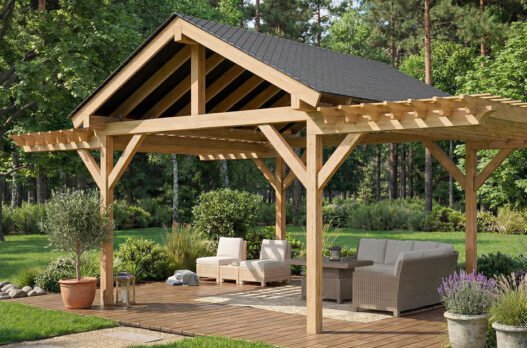
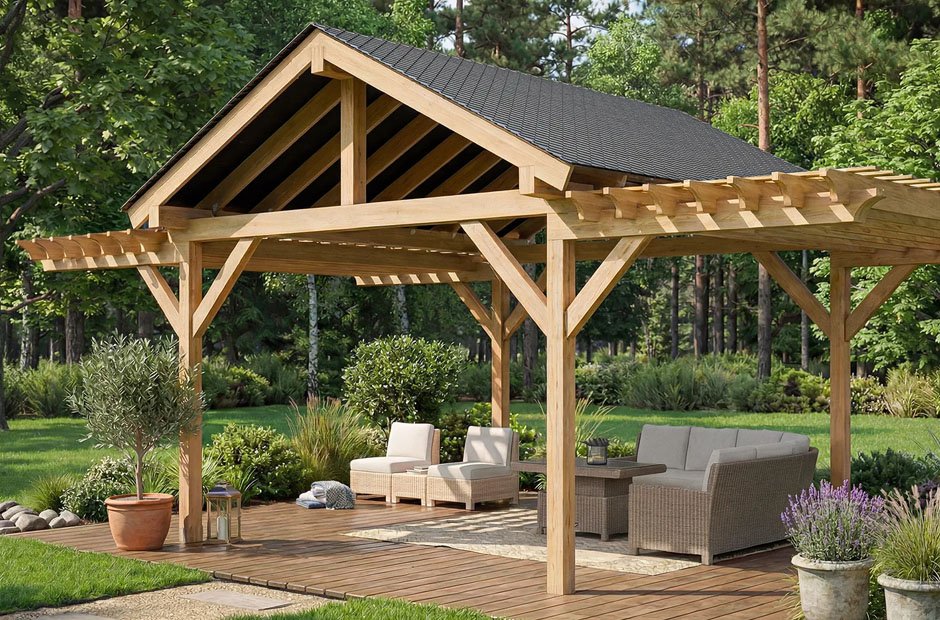
A garden pergola transforms an ordinary outdoor space into a shaded, inviting retreat. Whether you envision a rustic focal point draped in fragrant climbing plants or a sleek, modern outdoor dining area to entertain guests, constructing a heavy-duty timber pergola is an excellent investment for your property. It frames the landscape beautifully while providing a defined zone for relaxation, bridging the gap between your indoor living space and the natural environment. However, building a lasting outdoor structure requires far more than just assembling wooden beams on a sunny weekend. It demands thoughtful design, high-quality materials, and above all, an unyielding foundation that can withstand the harshest weather conditions year after year.
Beating the Freeze: Why Your Foundation Matters Most
Before you even look at timber options, you must consider the ground beneath your feet. In regions that experience freezing temperatures, the expansion and contraction of frozen soil can wreak havoc on outdoor architecture. When moisture in the soil freezes, it expands and pushes upwards, a phenomenon known as frost heave. This intense pressure can easily lift and warp a heavy wooden pergola, turning a stunning garden feature into a structural hazard. To combat this, you have to anchor your structure deeply. According to international building standards, permanent structural supports must be protected from frost by extending well below the frost line of the locality to prevent lateral and upward shifts. Skipping this step is a recipe for long-term instability.
Traditionally, meeting this standard meant hiring heavy machinery to dig massive holes and pouring heavy concrete footings. Fortunately, modern construction techniques offer a much cleaner approach. By choosing screw piles for 6×6 post installations, you can achieve a frost-resistant foundation in a fraction of the time. These galvanised steel anchors are driven deep into the earth, bypassing the volatile freeze-thaw cycle entirely and providing immediate load-bearing capacity. This method allows you to secure your pergola base without tearing up your garden, dealing with messy soil removal, or waiting days for concrete to cure in unpredictable weather.
Selecting the Right Timber for Longevity
With the foundation securely planned, your next priority is choosing the right wood. Because pergolas are constantly exposed to the elements, the timber you select will dictate the lifespan of your garden upgrade. Pressure-treated pine is a popular and budget-friendly choice that resists rot and insect damage effectively. However, it can occasionally warp or splinter as it dries out in the summer sun, requiring regular sealing or painting to maintain its structural integrity and aesthetic appeal.
If you prefer a more natural, premium finish, consider western red cedar. These woods contain natural oils that inherently repel moisture and fungal decay, allowing them to age gracefully into an elegant silvery hue if left unstained. Alternatively, thick oak beams offer an incredibly traditional, robust look that fits perfectly in historic or cottage-style gardens. Be mindful that heavy hardwoods come with a higher price tag and demand sturdy lifting equipment during assembly. For that, you require heavy construction equipment. To rent, learn more here! Whichever material you ultimately choose, ensure your raw cuts and exposed joints are generously treated with a high-quality wood preservative to seal out creeping moisture.
Essential Steps for Your Pergola Build
A successful build relies on a methodical approach. Skipping crucial planning phases can lead to misaligned posts and structural weakness over time. Keep the following critical steps in mind as you map out your garden project:
- Check local planning permissions:
- Measure twice, cut once:
- Consider the sun’s path:
- Plan for climbing plants:
- Schedule regular maintenance:
The Final Polish
Erecting a heavy-duty timber pergola is a rewarding project that redefines how you use your outdoor space. By prioritising a deep, frost-proof foundation and investing in durable, weather-resistant materials, you are setting the stage for decades of garden enjoyment. Take the time to design carefully, choose your materials wisely, and pay close attention to structural best practices. With patience and precision, you will soon have a breathtaking architectural feature ready to host summer dinners, family gatherings, and quiet weekend mornings alike.